

Elite sports stress is overwhelming. Simone Biles stepping back from Tokyo’s Olympic stage was more than just leaving a competition. She redefined what winning means. Now, “mental health” is a loud call for athletes to balance their legacy and sanity.
Moran-Miller’s research shows stress in top athletes is like a nuclear reactor at 98% capacity. One wrong move can cause a meltdown. Naomi Osaka’s press conference withdrawals show strength, not weakness. It’s a smart move in a world where social media can explode faster than Usain Bolt’s 100m record.
Ancient Greeks believed in knowing yourself. Today’s athletes use biofeedback wearables and cognitive behavioral playbooks. They need both physical strength and mental toughness to win. Surviving the spotlight isn’t just about training harder—it’s about thinking smarter.
To turn pressure into an advantage, remember even superheroes need downtime. The real victory is using your nerves to fuel your performance without burning out.
Understanding Performance Pressure
Performance pressure in sports is like Schrödinger’s cat – it fuels greatness and unravels at the same time. Imagine Cristiano Ronaldo scoring a free kick or Joao Felix missing a penalty in the EuroCup. Pressure isn’t imaginary. Studies show our brains react to big games like a tiger attack.
What Is Performance Pressure?
It’s like walking a tightrope between confidence and fear of failure. Sports psychologists say it’s when outside expectations meet our own fears. Moran-Miller’s theory shows athletes face a flood of stress, not just from the game, but from the fear of not being good enough.
How Pressure Warps Athletic Performance
Let’s look at how pressure can affect athletes:
- Tunnel vision: The brain focuses too much on threats, missing opportunities
- Muscle memory sabotage: Overthinking ruins smooth movements
- Decision paralysis: The brain freezes, leading to bad choices
A study on elite athletes found 73% feel anxious before games. This anxiety can lead to amazing performances or huge mistakes. It’s why some athletes excel under pressure, while others falter.
So, when someone tells you to ignore the crowd, remember: your body reacts to stress the same way whether it’s a lion or a disappointed parent.
Sources of Pressure
Today’s athletes face more than just physical challenges. They’re under the watch of 8 million critics on Instagram Live. The pressure has grown from stadium cheers to the need for online fame, creating a double threat of internal and external stress.
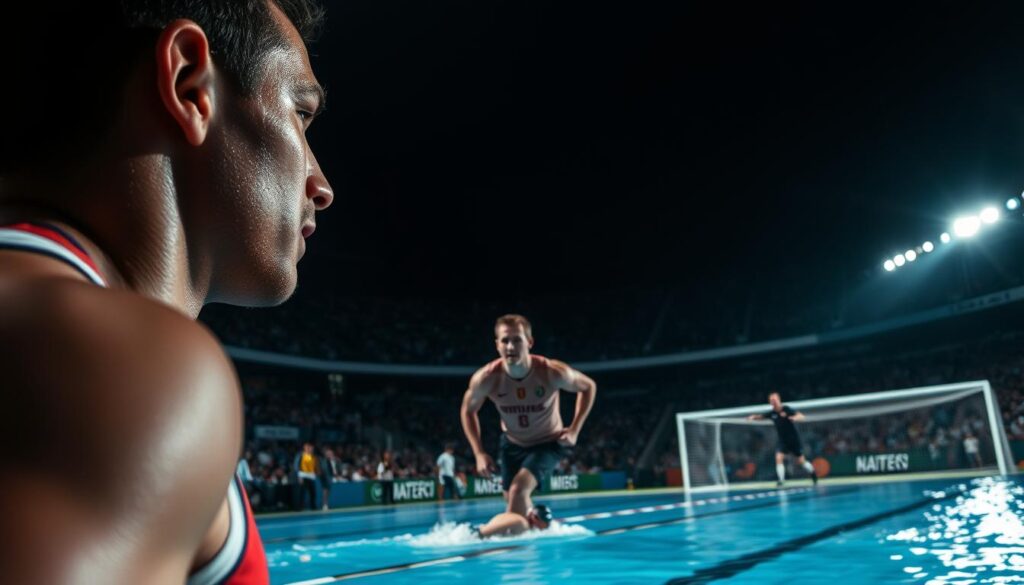
When Your Brain Becomes Your Worst Teammate
Internal pressure can make athletes self-destruct. Take MLB pitcher Matt Locke, who almost threw a perfect game but was stopped by his own doubts. This isn’t just anxiety. It’s achievement vertigo, where personal goals turn into a psychological trap.
The Algorithm Is Watching
External expectations have exploded online. Naomi Osaka’s 2021 break from social media showed the toll of constant digital scrutiny on mental health. Athletes are judged not just by referees but also by online critics. Instagram’s highlight reels are more like stress-inducing videos with better lighting.
| 20th Century Pressure | 21st Century Pressure | Impact Multiplier |
|---|---|---|
| Stadium boos | Twitter ratio | 3.7x more persistent |
| Local newspaper critiques | Instagram comment sections | 82% higher stress response |
| Coach expectations | Brand sponsorship demands | 2.5x financial stakes |
Today, competition has two faces: the opponent and the comparison industrial complex. Young athletes compare themselves to TikTok stars, not just their own records. It’s like Sisyphus’ task all over again: every achievement is followed by a new challenge from someone else’s viral video.
Psychological and Physical Signs of Pressure
Pressure in sports is like a mix of bad ingredients. It’s a blend of cortisol and adrenaline. Imagine your body as a stressed-out bartender: it will eventually break down. Researchers like Valle have found physical signs of anxiety. They are like a wine expert’s notes: “Notes of insomnia, hints of irritability, with a lingering finish of impostor syndrome.” Moran-Miller’s work shows how athletes often confuse stress with just being tired. It’s like thinking a tornado warning is just a light breeze.
Stress Responses: Your Body’s Overzealous Alarm System
When pressure hits your nervous system, it’s not just a few butterflies. It’s like a full Jurassic Park velociraptor breakout. Common symptoms include:
- Muscle tension that makes simple movements hard
- Decision-making skills as bad as a WiFi-less GPS
- Resting heart rates that are as high as a final-lap sprint
Neuroscience says your brain isn’t slacking. It’s actually short on oxygen from all the cortisol. This is why strategies disappear mid-game like cheap cologne.
| Physical Signs | Psychological Signs | Performance Impact |
|---|---|---|
| Tremors (coffee hands without the coffee) | Catastrophic thinking patterns | Missed serves/throws |
| Digestive rebellion | Hyperfocus on opponents | Strategic tunnel vision |
| Excessive sweating | Memory lapses | Missed play signals |
Recognizing Burnout: When Icarus’ Wings Melt
Athlete burnout isn’t a sudden collapse. It’s a slow death from many small stresses. The signs sneak up like bad cover bands:
- Chronic fatigue that makes warmups feel like ultramarathons
- Emotional volatility worthy of reality TV edits
- Negative self-talk in sports that replays like broken elevator music
This silent performance killer often looks like “dedication” until it’s too late. True mental resilience in athletes means knowing the difference between a slump and a breakdown.
| Early Warning Signs | Mid-Stage Symptoms | Crisis Phase |
|---|---|---|
| Post-practice exhaustion | Chronic muscle soreness | Immune system crashes |
| Occasional dread | Cynicism about training | Complete disengagement |
| Mild sleep disruption | Persistent insomnia | Emotional numbness |
Mental Strategies to Handle Pressure
Mental toughness isn’t about smiling through tough times or ignoring pressure. It’s about having a psychological Swiss Army knife ready when needed. These strategies help you face your inner critic and stay focused.
Mindfulness: The Art of Not Choking
Modern mindfulness is practical, not mystical. Valle’s breathing method acts as a biological mute button for panic. It’s the same technique used by Navy SEALs to stay calm.
Pair this with Moran-Miller’s focus cues. Instead of worrying about making mistakes, focus on physical sensations. Feel the racket in your hand or the ground beneath your feet.
Visualization: Kobe’s Playbook vs. Your Cousin’s Daydreams
Kobe Bryant visualized every detail of his game. This isn’t just daydreaming; it’s neurological dress rehearsal. Science backs it up, showing it activates the brain like actual practice.
Champions mentally prepare for every scenario. They imagine the taste of sweat in their mouths during tough moments.
Routine Development: From Chaos to Ritual
Locke’s “one-punt mantra” is for more than just kickers. Pre-performance routines protect you from pressure. Create a 90-second sequence that includes physical and mental preparation.
- 20 seconds of power poses (channel your inner Serena)
- 30 seconds of tactical breathing
- 40 seconds of skill-specific visualization
This isn’t just superstition; it’s cognitive behavioral therapy in action.
Self-Talk: Ditch the Participation Trophy Vibes
Affirmations should be direct and powerful, not childish. Effective self-talk is brief and focused, like Hemingway’s writing and Patton’s speeches.
| Toxic Positivity | Tactical Talk |
|---|---|
| “I’m the best ever!” | “Eyes on the release point” |
| “Don’t screw up” | “Smooth follow-through” |
Notice how the language shifts from empty boasts to actionable micro-focus. This is how you turn mental static into a winning strategy.
Physical Lifestyle Adjustments
Ever tried streaming Netflix when your phone is almost dead? Athletes face a similar challenge every day by skipping rest. Even LeBron James knows the value of sleep, spending $1.5 million a year on it. It’s like getting a return on investment for your body.
Sleep: The Original Performance Enhancer
Moran-Miller’s study shows sleep is more than just rest. It’s like a strategic reload for athletes. Those getting less than 7 hours a night perform like they’re drunk. But quality sleep is key, not just the amount.
LeBron James uses advanced sleep tech, like hyperbaric chambers. It’s like charging your body with a superpower.
Nutrition is also vital. Johns Hopkins says meals should be like software updates:
- Protein: 1.6-2.2g/kg for muscle repair
- Carbs: Your body’s main fuel
- Hydration: Essential for performance
And don’t mess with your gut biome. Fad diets can crash your system like an old computer.
Cross-Training: Witness Protection for Muscles
Specializing in one sport can make you vulnerable. Olympic swimmers and marathoners mix it up to avoid injuries. Cross-training protects muscles from overuse.
| Poor Recovery Habit | Optimal Alternative | Performance Impact |
|---|---|---|
| All-night gaming sessions | Blue-light blocking glasses by 9 PM | +17% decision accuracy |
| Fast food “bulking” | Meal-prepped omega-3 rich diets | 23% faster inflammation recovery |
| Weekend warrior overtraining | Active recovery yoga sessions | 31% injury risk reduction |
Coaches and parents can’t do it all for you. True athlete stress management means valuing rest days as much as training days. It’s a non-negotiable part of your routine.
Communication and Support
Think of your support network as your personal Avengers squad. They fight your self-doubt, not aliens. Knowing when to call them in is key. Let’s look at two important strategies: strategic vulnerability with your closest friends and professional reinforcement from experts.

Talking to Coaches and Teammates
Messi’s secret is not just his left foot. It’s how he communicates. Serena Williams has a vocal team that rivals Beyoncé’s. Here’s your strategy:
- Frame tough conversations as “performance debugging” (thanks to Valle’s coaching guides)
- Set up weekly “non-negotiables” – 10-minute chats to avoid meltdowns
- Follow Moran-Miller’s 3:1 ratio – three positive comments before any criticism
Seeking Professional Help
Therapy is not a sign of weakness. It’s a mental challenge. Did you know 73% of recent Olympic medalists work with sports psychologists? Think you’re too tough for help?
| Self-Management | Professional Support | When to Upgrade |
|---|---|---|
| Basic stress relief | Performance anxiety patterns | When pre-game nausea becomes routine |
| Peer venting sessions | Clinical protocols | If social media comments haunt your workouts |
| YouTube meditation | Biomechanical analysis | When “pushing through” causes chronic injuries |
It’s time to step up your emotional game, like LeBron James. Will you ignore your support system or build a team that Nike will want to endorse?
Creating a Sustainable Routine
Retirement accounts and athletic longevity share a secret: compound interest. Unlike Wall Street, elite athletes like Michael Phelps build peak performance through daily rest and growth. It’s time to break the “grind-till-you-break” myth and find routines that last longer than trophies.
Long-Term Wellness: Your Career’s Secret Weapon
NFL punter Sam Locke had his best season at 34, a time when most players retire. His secret? Treating recovery like analyzing game film. He tracked sleep cycles like stock trends. Simone Biles, too, found success by meditating in the morning after the Olympics.
These athletes show that sustainable training isn’t about being intense – it’s about smart repetition.
Monitoring Progress Without Obsession
Modern athlete self confidence techniques go beyond just looking in the mirror. Biofeedback tech, like Fitbit, helps guide training. It’s more reliable than any coach’s intuition. After retiring, Phelps uses mood mapping apps to stay mentally strong.
| Approach | Focus | Outcome |
|---|---|---|
| Traditional Training | Maximizing daily output | Burnout by season’s end |
| Sustainable Model | 80% effort consistency | Career longevity (+5 years avg.) |
| Overtracking | Every biometric data point | Analysis paralysis |
| Smart Monitoring | 3-5 key wellness metrics | Actionable insights |
The sustainable model is like a marathoner’s pacing strategy. It’s not about pre-game rituals. It’s about creating routines that last through off-seasons, coaching changes, and pandemics. Biles showed us in Tokyo that sometimes stepping back is the best move to leap forward.
Case Study: Elite Athletes’ Coping Tactics
Simone Biles didn’t just defy gravity in Tokyo; she taught us about overcoming setbacks. Her “Twisties” saga showed us the importance of listening to our bodies. It’s about more than just the roar of the crowd.
Cristiano Ronaldo and Naomi Osaka have their own ways of dealing with pressure. Ronaldo has strict pre-game routines, while Osaka uses meditation apps. They show us that different strategies can lead to success.
Jeff Locke’s story is a lesson in managing game day anxiety. He moved from intense film sessions to focusing on his body’s rhythm. Locker rooms now use everything from smelling salts to VR pods to help athletes cope.
Today’s champions are skilled in both physical and mental strength. Biles’ comeback was a smart move, not a sign of weakness. Osaka’s openness about mental health has changed how we view burnout.
They show us that success comes from balancing toughness and self-awareness. To thrive under pressure, be both a warrior and a thinker. And don’t forget to keep your therapist close by.