
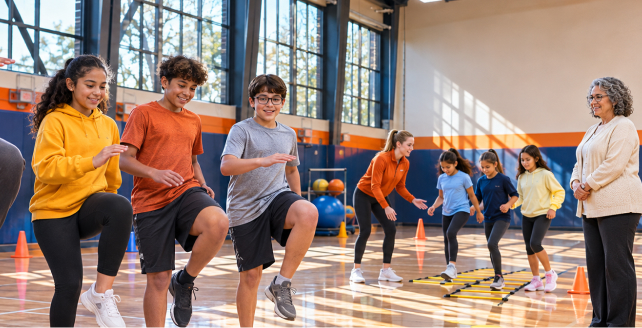
Ohio’s Team Tressel Fitness Challenge is expanding its statewide approach to youth health by connecting schoolchildren with college athletes, coaches, and community mentors. On November 6, 2026, Tiffin University is scheduled to host a special event bringing local students together with collegiate athletes for activities focused on fitness, confidence, teamwork, and mental well-being.
The event, announced by Tiffin University on November 3, is part of a larger initiative led by Ohio Lieutenant Governor Jim Tressel, the former Ohio State University football coach.
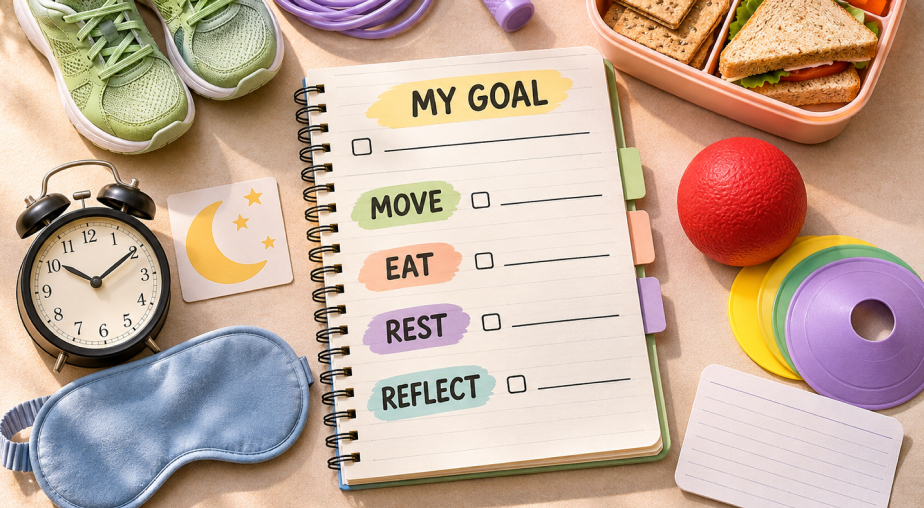
The challenge encourages students in grades 3–8 to develop healthy habits through physical activity, nutrition, sleep, goal setting, and personal reflection.
According to the Ohio Governor’s Office, the fall 2026 program began with approximately 650,000 students across more than 2,100 schools in all 88 Ohio counties. A September update reported that participation had increased to more than 654,000 students at nearly 2,200 schools. governor.ohio.gov+1
Those figures make the Team Tressel Fitness Challenge a significant statewide youth wellness initiative, although participation alone does not establish improvements in children’s physical or mental health.
The program’s central idea is that young people may benefit from learning healthy routines while receiving encouragement from adults and athletes they respect.
For schools, parents, and youth sports organizations, the initiative offers an opportunity to examine how physical activity, supportive mentorship, and age-appropriate wellness education can work together.
Tiffin University Prepares To Welcome Local Students On November 6
Tiffin University Athletics announced on November 3 that it would host a Team Tressel Fitness Challenge event at the university’s Heminger Center in Tiffin, Ohio.
The gathering is scheduled for Friday, November 6, from 9 to 11 a.m., at 350 Miami Street.
Students from three local educational institutions are expected to participate:
- Tiffin Middle School
- Calvert Catholic Schools
- Bridges Preparatory Academy
Lieutenant Governor Jim Tressel and members of his Team Tressel staff are also scheduled to attend.
According to Tiffin University’s official announcement, the event will serve as a capstone activity in which university athletic teams lead hands-on stations connected to their respective sports. Tiffin University
The planned format emphasizes direct interaction between younger students and college athletes rather than a traditional lecture about fitness.
Participants are expected to encounter activities that introduce movement, teamwork, and goal setting through sports-related experiences.
For the university’s student-athletes, the event also provides an opportunity to practice leadership and community engagement.
The university has not yet reported actual attendance, completed activities, or participant feedback from the November 6 gathering. Those outcomes should not be described as confirmed before the event takes place.
The announcement nevertheless establishes a clear objective: connect local schoolchildren with positive athletic role models while reinforcing the statewide challenge’s health education themes.
Jim Tressel Expands The Fitness Challenge Across Ohio
Jim Tressel’s involvement gives the initiative a recognizable connection to Ohio’s college athletics community.
Tressel previously served as head football coach at Ohio State University from 2001 to 2010, leading the Buckeyes to the 2002 national championship.
He later served as president of Youngstown State University before becoming Ohio’s lieutenant governor in 2025.
The Team Tressel Fitness Challenge launched in August 2025 as part of Governor Mike DeWine’s broader Healthy Ohio efforts.
Its original structure focused on helping students establish consistent routines involving physical activity, nutrition, and sleep.
The program has since expanded its participation and introduced additional opportunities for mentorship.
Official announcements document substantial growth across three rounds.
| Challenge Milestone | Reported Participation |
|---|---|
| August 2025 launch | More than 160,000 students at 635 schools |
| February 2026 second round | 390,845 students at 1,376 schools |
| August 31, 2026 third-round launch | Approximately 650,000 students at more than 2,100 schools |
| September 14, 2026 update | More than 654,000 students at nearly 2,200 schools |
These figures come from Ohio Governor’s Office announcements published between August 2025 and September 2026. governor.ohio.gov+3
The September update also identified 137 former collegiate and professional athletes, coaches, and trainers participating in the statewide mentor network.
This growth demonstrates increasing enrollment and institutional participation.
However, enrollment figures should not be confused with the number of students who completed every activity or achieved measurable improvements in health.
Those outcomes would require additional evaluation.
The fall 2026 challenge runs from August 31 through December 4, while individual students work through a 30-day activity program that schools can incorporate into their schedules.
How The Team Tressel Fitness Challenge Works
The Team Tressel Fitness Challenge is a free, student-centered wellness program designed for Ohio children in grades 3–8.
Participating students receive grade-specific workbooks that help them select activities, establish goals, monitor progress, and reflect on their experiences.
The program includes five main activity categories: cardiovascular fitness, strength, flexibility, nutrition, and sleep.
Students progress through Bronze, Silver, and Gold achievement levels while working toward becoming a Healthy Habits Champion.
Rather than requiring every participant to complete the same exercises or meet identical performance standards, the program is designed to allow flexibility based on age, ability, and individual circumstances.
The Ohio Department of Education and Workforce’s Team Tressel program guide explains that students use SMART goals and reflection activities to develop greater awareness of their daily routines. Ohio Department of Education and Workforce
SMART goals are specific, measurable, achievable, relevant, and time-bound.
In a school wellness setting, this approach can help students focus on manageable behaviors rather than competitive comparisons.
For example, a student might choose to participate in an enjoyable activity regularly, establish a more consistent bedtime, or work toward an age-appropriate movement goal.
These examples illustrate the program’s goal-setting approach; they are not prescribed activities for every child.
Parents, educators, and qualified professionals should help adapt activities when students have disabilities, injuries, medical conditions, or other needs that affect participation.
The challenge also incorporates mindfulness, gratitude, and reflection.
These elements are intended to encourage students to consider their experiences and recognize personal progress.
They should not be presented as treatments for anxiety, depression, or other mental health conditions.
College Athletes Become Mentors Through The Challenge Buddy Network
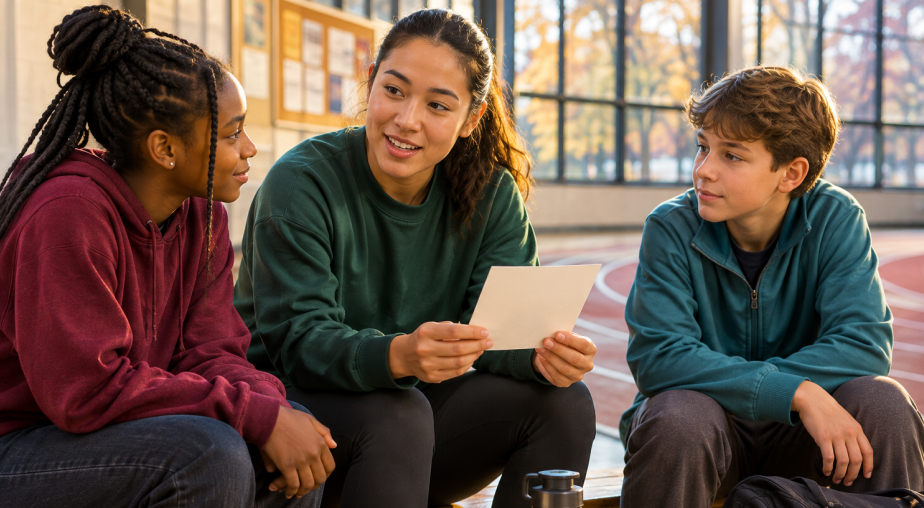
One of the initiative’s distinguishing features is its use of current and former athletes as mentors.
The program calls these participants Challenge Buddies.
They are intended to provide encouragement, discuss personal experiences, and demonstrate how healthy habits and goal setting can fit into everyday life.
The September 14 announcement identified a statewide network of 137 former collegiate and professional athletes, coaches, and trainers.
Seven were designated Challenge Captains.
Among the named participants were former Ohio State softball catcher Melissa Basil, former Ohio State football defensive back Donnie Evege, and former Ohio State and NFL receiver Ted Ginn Jr.
The Ohio Governor’s Office announcement about athlete mentors describes school visits, assemblies, workouts, and conversations about confidence, teamwork, discipline, and perseverance. governor.ohio.gov
The mentorship component adds a social dimension to the program.
Younger students may have opportunities to interact with athletes who can explain how they approach goals, respond to setbacks, and work with teammates.
These interactions may be particularly meaningful when they emphasize effort, respect, and personal development rather than athletic status.
However, mentorship does not automatically produce psychological benefits.
The quality of the relationship, the age-appropriateness of the activities, and the behavior of participating adults all matter.
Mentors should avoid promising that determination alone can overcome every challenge.
They should also recognize that children experiencing persistent emotional difficulties may need assistance from parents, school counselors, or qualified healthcare professionals.
The most responsible role for an athlete mentor is to encourage participation and model supportive behavior without attempting to provide clinical mental health care.
Kelly Daniel Highlights Leadership And Community Wellness At Tiffin University
Tiffin University’s participation brings the statewide initiative into a specific local community.
Kelly Daniel, assistant vice president for athletics at Tiffin University, described the November 6 event as an opportunity to connect collegiate athletes with younger students while reinforcing the importance of physical, mental, and academic development.
In the university’s announcement, Daniel explained that the capstone project will involve each athletic team leading a hands-on station connected to its sport.
This approach provides an opportunity for student-athletes to translate their athletic experience into age-appropriate activities for children.
It also recognizes that college athletes can contribute to their communities in ways that extend beyond competition.
A student-athlete helping younger participants learn a movement skill may also practice communication, patience, and leadership.
For children, participating in activities alongside older athletes can create opportunities to ask questions and encounter positive examples of teamwork.
These are reasonable educational objectives, but they should not be confused with demonstrated outcomes from the Tiffin event.
The university has not yet released post-event assessments showing whether participants developed greater confidence, changed their physical activity habits, or experienced improvements in mental well-being.
The planned activities are best understood as an opportunity to encourage healthy behavior and community connection.
Physical Activity Supports Children’s Health Beyond Competitive Sports
The Team Tressel Fitness Challenge reflects established public health guidance encouraging children to participate in regular, enjoyable physical activity.
According to the CDC’s physical activity guidelines for children, children and adolescents ages 6–17 should accumulate at least 60 minutes of moderate-to-vigorous physical activity each day. CDC
The recommendation includes aerobic activity, with muscle-strengthening and bone-strengthening activities incorporated on at least three days each week.
However, physical activity does not have to take the form of competitive athletics.
Walking, cycling, playground games, swimming, dancing, and appropriately adapted recreational activities can all contribute to an active lifestyle.
That distinction is especially important for a program serving students across different ages and ability levels.
A child who does not enjoy organized football or basketball should still have opportunities to participate in physical activity.
Similarly, students with disabilities or relevant medical restrictions may need adapted activities and individualized guidance.
The Team Tressel program’s emphasis on flexible goals provides a framework that schools can use to accommodate different participants.
The CDC also identifies associations between regular physical activity and several aspects of children’s health, including physical fitness, bone and muscle health, and cognitive functioning.
Physical activity can support emotional well-being, but it is not a guaranteed intervention for mental health difficulties.
For children experiencing persistent distress or significant changes in behavior, parents and caregivers should seek appropriate professional guidance rather than assuming additional exercise will resolve the concern.
Sleep And Nutrition Are Part Of The Challenge’s Wellness Approach
The initiative’s inclusion of nutrition and sleep distinguishes it from a program focused exclusively on exercise.
Children’s daily routines involve several interconnected health behaviors.
Regular physical activity, adequate sleep, and access to nutritious foods all contribute to healthy development.
The Team Tressel Fitness Challenge encourages students to consider these areas through individual goals and workbook activities.
Sleep is particularly relevant because school-aged children and adolescents have different sleep requirements.
The CDC’s September 2026 guidance on student sleep summarizes the following recommendations:
| Age Group | Recommended Sleep |
|---|---|
| Children ages 6–12 | 9–12 hours per 24 hours |
| Adolescents ages 13–18 | 8–10 hours per 24 hours |
Adequate sleep is associated with better attention, learning, emotional regulation, and overall health. Insufficient sleep is associated with increased risks of several health and behavioral difficulties. CDC
For students participating in sports, sleep is also an important consideration alongside training and recovery.
The challenge’s nutrition component provides another opportunity to encourage age-appropriate health education.
However, schools should avoid turning nutrition activities into weight-loss competitions, restrictive eating challenges, or judgments about children’s bodies.
Food access, family circumstances, cultural preferences, allergies, and medical needs vary.
A supportive program should emphasize practical education and healthy routines rather than body size or appearance.
Children with specific nutritional or medical concerns should receive guidance from qualified healthcare professionals, including registered dietitians when appropriate.
Mental Wellness And Gratitude Give The Program A Broader Purpose
The Team Tressel Fitness Challenge includes mental wellness, goal setting, and gratitude as part of its broader educational approach.
These components are relevant to cpcwa.org’s focus on the relationship between sports participation and psychological well-being.
Children can experience stress involving school, friendships, family responsibilities, and extracurricular expectations.
Supportive physical activity programs may provide opportunities for social interaction, enjoyable routines, and positive experiences with adults and peers.
The challenge encourages students to reflect on their progress rather than focusing entirely on competition.
This can help shift attention toward effort and personal development.
However, gratitude exercises and goal-setting activities should not be portrayed as clinical mental health interventions.
A student who experiences significant anxiety, depression, or another mental health concern may require evaluation and treatment from a qualified professional.
The program does not claim to provide psychotherapy, psychiatric services, or individualized mental health treatment.
Its mental wellness component is better understood as general education intended to complement other sources of support.
For schools, that distinction matters.
Teachers and coaches can encourage supportive relationships and respectful participation while maintaining clear procedures for referring students who need additional assistance.
The National Institute of Mental Health’s child and adolescent mental health resources provide information for families about recognizing when professional evaluation may be appropriate.
A youth wellness initiative can contribute to a supportive environment, but it cannot replace a comprehensive school or community mental health support system.
Inclusive Participation Matters More Than Athletic Performance
The Team Tressel Fitness Challenge serves children in grades 3–8, an age range that includes substantial differences in physical development, interests, confidence, and abilities.
A program designed for broad participation should avoid treating athletic performance as the primary measure of success.
Children who already participate in organized sports may approach the challenge differently from those who are less active or unfamiliar with structured exercise.
Some students may enjoy team activities, while others prefer independent movement.
Children with disabilities may need adapted exercises, accessible facilities, or alternative ways to complete an activity.
The Ohio Department of Education and Workforce describes the challenge as flexible and designed to accommodate different ability levels.
This approach is consistent with the CDC’s recommendation that children’s physical activities should be enjoyable, varied, and appropriate for their development.
The CDC’s guidance on making physical activity part of children’s lives emphasizes that both organized sports and informal play can contribute to healthy activity habits. CDC
For the November 6 Tiffin event, practical inclusion would mean offering appropriate activities and avoiding unnecessary pressure to compete.
The announcement does not provide detailed information about accommodations at individual stations, so specific accessibility arrangements should not be assumed.
Schools and event organizers should communicate with families when children require adaptations or additional support.
The broader goal is to create opportunities for participation rather than reward only the strongest or most experienced athletes.
What Parents And Schools Can Learn From Ohio’s Statewide Fitness Challenge
The Team Tressel Fitness Challenge offers a practical example of how schools can combine health education with community mentorship.
Its structure is relatively straightforward: students select goals, track their activities, reflect on progress, and receive encouragement from educators, families, and athletes.
For parents, the approach may provide opportunities to discuss healthy routines without making exercise or nutrition a source of pressure.
Families can encourage children to choose enjoyable activities, establish consistent sleep schedules, and recognize progress in ways that reflect individual circumstances.
For teachers, the challenge demonstrates how health education can extend beyond a single physical education class.
Goal setting, personal reflection, and discussions about teamwork can connect with broader educational objectives.
Coaches and student-athlete mentors can contribute by modeling respectful communication, appropriate expectations, and inclusive participation.
However, a successful program should not depend exclusively on enthusiasm during a special event.
Schools also need safe spaces for physical activity, appropriate supervision, accessible equipment, and clear procedures for addressing health or safety concerns.
The program’s workbook model may help students continue practicing healthy routines after an assembly or campus visit, but longer-term participation and outcomes would need to be measured.
How Ohio Could Measure The Challenge’s Long-Term Impact
The Team Tressel Fitness Challenge has already demonstrated substantial statewide enrollment.
The reported increase from more than 160,000 students in August 2025 to more than 654,000 in September 2026 is a notable expansion in program reach.
Yet participation is only one measure of implementation.
To understand the program’s longer-term impact, schools and researchers would need information about student engagement, completion, accessibility, and changes in health-related behaviors.
Useful questions include whether students continue participating in physical activity after the 30-day challenge, whether families find the workbook activities manageable, and whether children with different abilities can participate comfortably.
Schools could also examine whether students report feeling supported by mentors and whether educators can sustain activities within existing schedules.
Such evaluations should use appropriate, privacy-conscious methods and avoid collecting unnecessary sensitive information about children.
Mental health outcomes would require particularly careful assessment.
Increased confidence or enjoyment reported during an event should not automatically be interpreted as evidence of reduced anxiety, depression, or other clinical conditions.
The available official announcements establish the program’s goals, enrollment figures, and planned mentorship activities. They do not demonstrate that the initiative has produced specific clinical improvements.
Recognizing that distinction allows the challenge to be evaluated fairly while preserving its educational purpose.
Tiffin University’s November 6 Event Highlights The Value Of Community Mentorship
The planned Team Tressel Fitness Challenge event at Tiffin University brings together several elements of Ohio’s statewide youth wellness initiative.
Local schoolchildren will have an opportunity to interact with collegiate student-athletes, participate in sport-related activities, and learn about healthy routines through direct engagement.
Lieutenant Governor Jim Tressel’s expected attendance connects the local gathering with a program now involving hundreds of thousands of students across Ohio.
Kelly Daniel and Tiffin University Athletics have positioned the event as both a community service opportunity and a leadership experience for college athletes.
Its significance lies in the attempt to connect physical activity with encouragement, mentorship, and personal development.
The initiative also illustrates an important principle for youth sports: children do not need to become elite athletes to benefit from safe, enjoyable movement and supportive relationships.
As Ohio continues its fall 2026 challenge through December 4, the next important questions concern implementation and lasting participation.
The number of enrolled students demonstrates the program’s reach. Evidence about continued healthy habits, meaningful mentorship, and inclusive participation will help determine its longer-term value.
For schools, parents, and community organizations, the Team Tressel Fitness Challenge provides a model worth examining: health education that encourages children to set realistic goals, develop supportive relationships, and approach physical and mental well-being as connected parts of everyday life.