Imagine a middle school runner breaking records set by athletes old enough to buy their own protein powder. It sounds impressive, but it’s actually a sign of burnout. Youth sports are pushing kids too hard, like a never-ending game.
Johns Hopkins found 70% of kids leave sports by age 13. That’s a high dropout rate. CHKD also reports more injuries, which is alarming. It’s turning young athletes into bench-warming NPCs by high school.
This isn’t just about injuries. It’s about a culture that ignores mental resilience. Youth sports have become too intense, like a horror game. It started when travel teams became too demanding.
The good news is, kids’ health doesn’t have to be expensive. We can change this system to protect their well-being. Let’s find ways to make youth sports better without ruining childhood.
What Is Burnout? Warning Signs and Causes
Burnout is like your kid’s character stuck in a never-ending loop. Instead of just playing games, they’re drowning in healthy competition. It’s not just a phase; it’s a full-blown shutdown, like unplugging the controller in the middle of a game.
How do you tell if it’s just a bad day or a bigger problem? Look out for these signs:
- Potion aversion: Skipping practices (even when there’s pizza involved)
- Inventory clutter: Unexplained headaches, sleep issues, or changes in appetite
- Broken achievements: Feeling like “MVP last season” now says “why bother?” during drills
“Burnout doesn’t care about your travel team trophy case – it’s the ultimate skill-check for emotional management.”
The CHKD says sleep problems and mood swings are big red flags. Is your athlete:
- Doing daily practices but not enjoying them?
- Using energy drinks instead of getting enough sleep?
- Treating teammates poorly instead of working together?
Most parents miss this key point: youth sports burnout isn’t about being weak. It’s about the wrong level of challenge. That 6th tournament weekend is like fighting Elden Ring bosses with a Guitar Hero controller.
And let’s clear up the “they’ll thank me later” myth. Forcing kids to keep going “for their self-esteem” often backfires. A 14-year-old quarterback once said: “I’d prefer making a Minecraft monument to mediocrity than hearing ‘just one more season’ again.”
Balancing Ambition and Enjoyment
Let’s get real: youth sports aren’t like Elden Ring speedruns. And your kid’s rec league shouldn’t be as tough as Navy SEAL training. Yet, we see 11-year-olds doing college-level workouts. Parents shout “HUSTLE!” like it’s the NBA Finals.
Newsflash: Childhood athletic development isn’t a game where endless effort always pays off.
When Play Becomes Pay-to-Win
The American Academy of Pediatrics should warn about skipping the tutorial level. Their research shows early sports specialization raises injury risks by 50%. But, who cares about healthy joints when there are scholarship offers for a 7th grader?
“We’re seeing kids burn out before they can legally drive. Their ‘offseason’ lasts three days – just enough time to ice their elbows and update their recruiting profiles.”
Here’s why the grindset mentality fails:
- AAU tournaments aren’t like Korean MMO raids (despite similar sleep deprivation)
- Button-mashing drills don’t work in real life like they do in Street Fighter
- Kids’ progress bars reset daily – their XP gains don’t stack like adult athletes
Healthy competition turns toxic when we treat 12-year-olds like pro athletes. The magic happens when we balance growth mindset development with childhood. Pro tip: If your kid’s sports schedule is as busy as Elon Musk’s, you’ve entered the danger zone.
Recognizing Individual Limits
Your kid isn’t a Skyrim character that can play all day, every day. They can’t just take a nap and get back to it. Youth sports are real, and they follow actual human biology. Ignoring the signs can lead to big problems.

Why Rest Days Are the Ultimate Power-Up
Rest isn’t laziness; it’s a key part of getting better. Research from CHKD shows that kids who play multiple sports get hurt less. Think of rest like this:
- Sleep: It’s like a health potion, helping muscles recover better than any reward
- Cross-training: Playing soccer can improve your basketball skills, just like using a shield in Dark Souls
- Mental resets: It’s like playing Minecraft’s creative mode, preparing you for the next challenge
“Telling kids to ‘push through pain’ is like deleting your save file to speedrun burnout mode.”
The 2-Sport Minimum Rule (And Why Specialization Sucks)
Pro athletes often played multiple sports. It’s not a coincidence; it’s diversified XP grinding. Here’s the secret:
| Single-Sport Stats | Multi-Sport Stats |
|---|---|
| +300% injury risk | +40% coordination |
| Burnout by age 14 | College scholarship chance |
Playing different sports is like changing game genres. Baseball’s precision helps with football’s spatial awareness. Even sports visualization techniques, like FIFA skill games in real life, build confidence without the risk of injury.
Remember, Off-seasons aren’t myths. They’re the DLC that makes the main game worth playing. Now, where’s that fishing rod?
Parental and Coach Influence
Ever seen a coach act like a World of Warcraft raid leader during practice? Or parents acting like overzealous NPCs, saying “Scholarship! Scouts! Championships!” over and over? It’s time to talk about how to avoid being the final boss in your athlete’s story.
The Dialogue Wheel: From Cringe to Champion
Healthy communication isn’t about scripting “motivation tips” like some Toddlers & Tiaras stage mom. It’s more like choosing dialogue options in a Mass Effect paragon run. But here, the “renegade” option leads to eye-rolling teens and slammed car doors.
“I’ve noticed you’ve been quiet after practice – want to grab slushies and debrief?”
Here are three ways to balance sports and life without sounding like a broken motivational poster:
- The Respawn Rule: After losses, ask “What’s your respawn strategy?” instead of “Why’d you strike out?”
- Achievement Unlocked: Celebrate “Most Creative Fail” moments like Minecraft builders cheering accidental TNT explosions
- Side Quest Energy: “What non-sports thing made you smile today?” > “Did you break your personal record?”
Coaches – your playbook needs more Ted Lasso and less Drill Sergeant Simulator. Try replacing “Drop and give me 20!” with “Show me your favorite move – yes, even the silly one.” You’ll unlock intrinsic motivation faster than finding a secret level.
Remember: Young athletes aren’t DLC content for your unmet childhood dreams. Keep the communication loot box full of curiosity – not pressure-packed microtransactions.
Effective Scheduling and Downtime Practices
Building a sports schedule for kids should be easy, not stressful. The American Academy of Pediatrics (AAP) says young athletes need mandatory rest days. This helps avoid burnout.
Take the example of a 4:18 miler who collapsed from exhaustion. His coach forgot that athletes need breaks. It’s like in games, you can’t play all the time without taking a break.
The 52/17 Rule is key. Work for 52 minutes, then rest for 17. This helps athletes stay fresh, just like farmers in Stardew Valley take breaks.
- Drill footwork like you’re farming XP (52 minutes)
- Reboot with Minecraft creative mode (17 minutes)
- Repeat until achievement unlocked: “Healthy Athlete”
Don’t believe in “early specialization”. It’s like training a Pokémon only in Fire moves. Mix different skills, like in sports.
| Strategy | Gaming Equivalent | Outcome |
|---|---|---|
| Cross-train 2 sports | Switching between RPG & FPS | +15% motor skills |
| Mandatory “Minecraft hours” | Creative mode downtime | -20% burnout risk |
| Fortnite > Film Study | Active recovery sessions | +30% cognitive reset |
Parents, don’t see video games as bad. They’re actually good for kids’ brains. One dad said his kid learned more about teamwork from Overwatch than from sports.
Rest is important, not a sign of weakness. It’s like using Phoenix Down to avoid burnout. Make downtime a priority, just like stamina in games.
Building Playful, Intrinsic Motivation
If your kid’s sports practice feels like a daily grind, you’ve accidentally turned “play” into “pay-to-win”. Nobody’s cashing in. Let’s reboot this glitchy system with motivation tips that don’t involve bribes or leaderboards. Weekend tournaments can be a real dread.
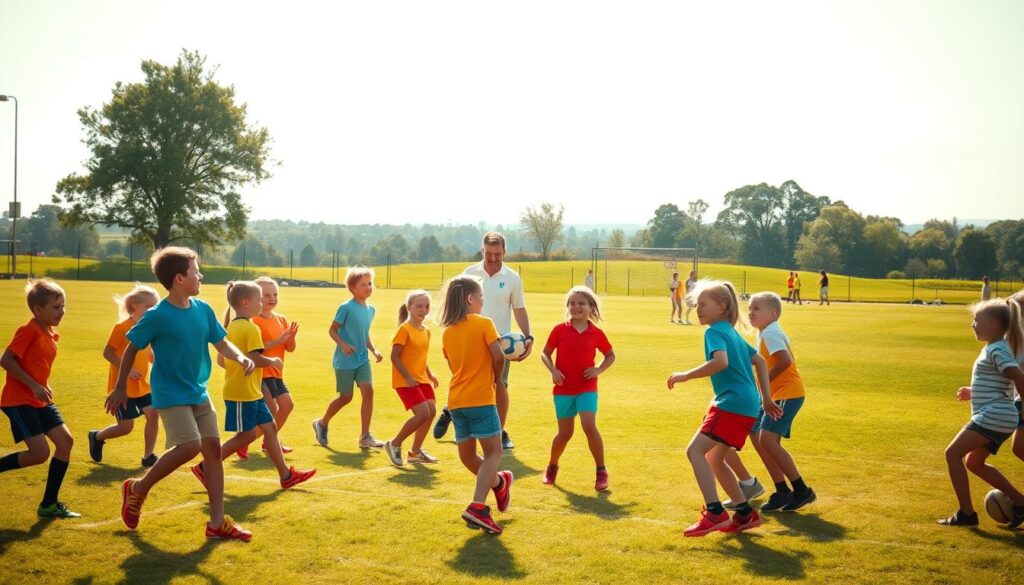
The American Academy of Pediatrics’ fun-first mandate is key to avoiding burnout. Think of Minecraft Creative Mode. Let kids build skills through experimentation, not by replaying the same “defeat the Ender Dragon” drill 47 times. Roblox-level creativity beats repetitive quests every time.
“When achievement becomes the only unlockable, we lose the game entirely. Joy is the XP that matters.”
Here’s how to engineer healthy competition without turning your living room into a mini-Comic-Con panel debate:
- Achievement Unlocked: Reward curiosity, not just goals. Did they try a new move? Celebrate that like a rare skin drop.
- Sandbox Mode Activated: Swap scripted drills for open-ended challenges. “How many ways can you dribble past this cone?” > “Dribble past this cone 50 times.”
- Respawn Mechanics: Normalize mistakes as part of the gameplay loop. Failed a penalty kick? Cool—now you’ve got the lore for next time.
The secret sauce? Ditch the “git gud” mentality. Studies show cultivating joy in sports creates better long-term results than grinding for trophies. Want proof? Watch any kid who’s allowed to treat practice like a speedrun highlight reel—suddenly, they’re putting in extra hours because it’s fun, not mandatory.
Are you skeptical? Ask yourself: Does your athlete’s team chat sound like a Dark Souls boss fight post-mortem… or a Fall Guys victory party? The answer’s your roadmap.
Creating a Positive, Safe Sports Environment
Let’s be real – youth sports shouldn’t be like Elden Ring’s Margit encounter. Your kid’s soccer practice should be fun, not a series of tough moments. How do we make spaces where healthy competition is fun, not stressful? Let’s find out.
Johns Hopkins researchers found that kids feel less anxious when they feel safe to try new things. They suggest using safe word systems during drills. This lets kids say they need a break without feeling judged.
CHKD also has great ideas. They suggest short “glitch meditation” sessions. Here, kids imagine mistakes as temporary problems, not big issues.
Now, let’s get creative:
- Glitch Celebrations: If a pass goes wrong, celebrate it! See mistakes as special rewards.
- Mario Kart Mode: Use random drills, like Item Box logic. Sometimes it’s easy, sometimes it’s a challenge.
- Respawn Mechanics: Take breaks after intense sessions. Think of it as Animal Crossing fishing, not Call of Duty.
The key is to balance sports and life well. Have “no stats Sundays” and let different kids lead the team each week. This makes everyone feel included.
“Resilience isn’t built through endless grinding – it’s forged in spaces where failure becomes fertilizer for growth.”
A positive environment isn’t just about winning. It’s about making challenges that are tough but solvable. Keep the focus on growth, not just winning. This way, kids will enjoy sports more and feel less stressed.
When to Seek Mental Health Support
Ever seen a player stuck in the same boss fight without getting stronger? That’s what youth sports burnout looks like. No amount of “skill issue” talks can fix it. When your athlete’s emotional health hits rock bottom, it’s time for real help.
- Meltdowns that last longer than a Call of Duty argument
- Sleep patterns that are as broken as a new game patch
- Joy levels stuck at “pre-ordered disappointment”
Sports psychologists say symptoms lasting 2-4 weeks are a big warning sign. That’s when you should:
| Normal Frustration | Burnout Signals | Pro Move |
|---|---|---|
| Eye-rolling after losses | Full controller-throw rage | Coach conference |
| Off-day grumpiness | 3-week joy drought | Sports psych consult |
| Healthy trophy hunger | Win-at-all-costs obsession | Motivation reset |
Pro tip: Use visualization for more than just game day. Try mental health power-ups like:
“Imagine anxiety as a mini-boss. Now picture your coping strategies as unlockable abilities.”
When unsure, remember CHKD’s advice: If symptoms last longer than a Fortnite season (about 3 months), get professional help. Sometimes, restarting the system is better than pushing through the pain.
Resources, Tools, and Parent/Coach Self-Care
This is like the secret scene after the credits roll. It’s the toolkit you never knew you needed. Start with Athletes Untapped’s coaching directory, like Yelp for sports psychologists who won’t just tell your kid to “visualize winning”.
Need hydration trackers that don’t look like a Tamagotchi on their water bottle? Try apps like HydroCoach. It’s because dehydration is the ultimate enemy no one sees coming.
Balancing sports and life isn’t just for kids. Coaches, have you tried Google Calendar’s “focus time” feature for your sanity? Parents, the AAP’s preparticipation exam advice is more than just paperwork. It’s the secret to spotting burnout before it starts.
Mental toughness for young athletes begins with adults who take care of themselves. Remember, helicopter parenting can crash servers faster than DDoS attacks.
Growth mindset in youth sports means swapping “you’ll get ’em next time” for “what loot did you earn from that loss?” (Pro tip: “experience points” sound cooler than “lessons”). Self-care isn’t just face masks and kale. It’s letting your kid’s coach handle the sideline screaming while you use that gym membership you’ve been ignoring.
Stuck? Grab the AAP’s sports physical form template. It’s like the IKEA manual for preventing sports burnout in youth. Now go respawn. Your squad is counting on you to keep the system running smoothly.