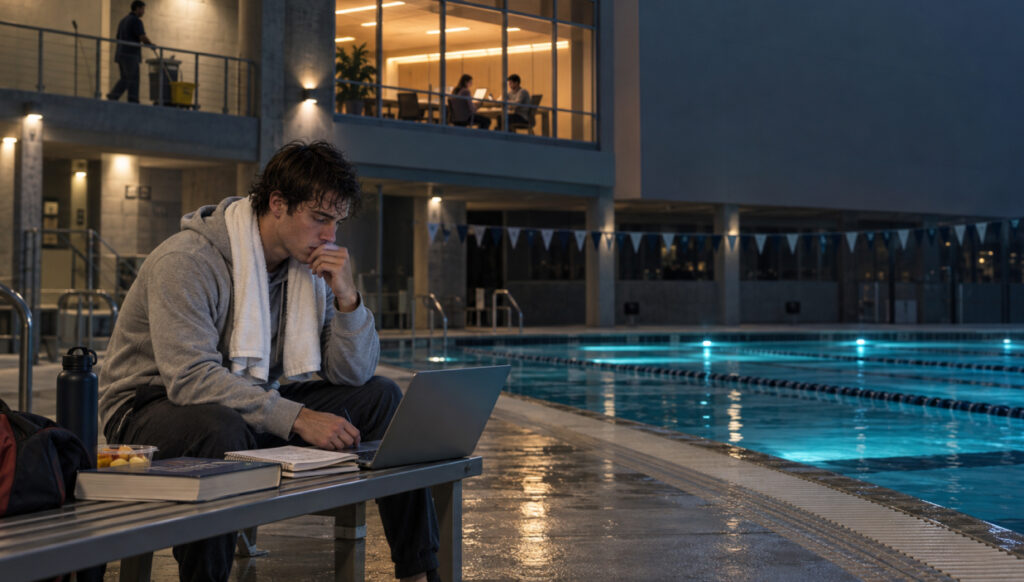
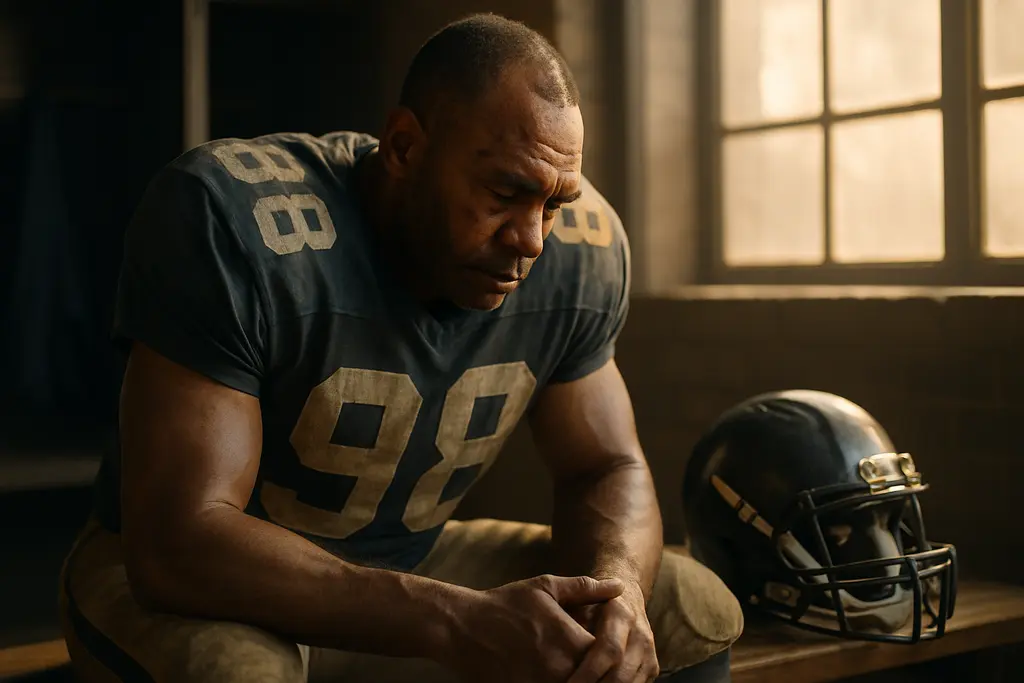
Ever seen a kid throw their controller after losing at Fortnite? That’s the rage-quit moment we’re tackling. But instead of video games, we’re talking about real-world sports defeats. Building athlete mental resilience isn’t about giving out trophies or fake positivity. It’s about teaching them to bounce back stronger after tough losses.
Kathryn Den Houter has a special approach. Think of it as the ”Dark Souls” of emotional armor. She teaches kids to view losses as game glitches. Instead of giving up, they learn to analyze setbacks and find solutions. Imagine your team lost big in Minecraft. Do you quit or build a better fortress?
The secret to Mental toughness for young athletes is not natural. It’s a skill you develop through practice. We’re talking about analyzing games, finding what went wrong, and planning comebacks. Den Houter’s method? Change the “I’m a failure” mindset to ”What’s my next move?”.
Building resilience in kids isn’t about avoiding losses. It’s about quickly moving past them. Sports are like RPGs with sweatbands. Kids who master this don’t just bounce back. They earn badges that say ”Adaptive Badass” in bright colors.
Setbacks as Learning Opportunities
Ever seen a kid throw a tantrum in Mario Kart because of a blue shell right before the finish line? That’s what youth sports are like, but with real referees. The key is, losing isn’t the end. It’s the unskippable tutorial level where kids learn to manage their emotions.
The Emotional Rollercoaster of Loss
Let’s look at the five stages of athlete grief:
| Phase | Emotional State | Coaching Move |
|---|---|---|
| Pre-Game Hype | “We’re gonna wreck these noobs!” | Focus on strategy, not smack talk |
| Mid-Match Meltdown | “This goalie’s hacking!” | “What’s our plan B?” (No, crying isn’t plan B) |
| Post-Loss Lamentation | *Incoherent sobbing* | “What XP did we earn today?” |
The second source said it well: “Effort is the DLC that unlocks skill.” Instead of staring at the scoreboard, try these questions:
- “What power-up worked best today?”
- “Which glitch needs patching?” (Hint: It’s not the ref’s eyesight)
- “Ready to respawn for next week’s raid?”
“Stop treating losses like broken joysticks – they’re just unplugged controllers waiting to be reconnected.”
Pro tip: Instead of saying “You let the team down,” say “What loot did we earn from this boss fight?” This will help kids develop a growth mindset youth sports achievement faster than a speedrunner skips cutscenes.
Why Some Kids Struggle More Than Others

Ever wonder why Timmy keeps coming back after losing, like he has cheat codes? It’s not just about “git gud” – there’s real science behind it. Let’s explore the role of genetics and society’s hidden effects.
Research by McCutchen reveals some kids are born with special “respawn timers.” Think of serotonin levels as in-game cooldowns. A study on genetic RNG found 23% of athletes have dopamine receptors that treat losses as temporary setbacks. But biology is just the beginning.
| Resilience Mods | Debuff Sources | XP Gain Multipliers |
|---|---|---|
| High self-esteem stats | “Toxic Carry” parenting | +40% recovery speed |
| Growth mindset perk | Social media trolls | +25% emotional armor |
| Team support buff | Win-at-all-costs meta | +60% stress resistance |
Systemic influences can be tougher than a Smash Bros final smash. Karen’s not “bad at games” – she’s facing tough opponents:
- Coaches pushing too hard in practice
- Parents focusing on esports scholarships
- Teammates with main character syndrome
And then there’s the big challenge: helping kids handle sports pressure. TikTok’s algorithm shows them “10-year-old prodigy” videos. Remember, your kid’s not broken – they just need better support.
Here’s a secret: Self-esteem in young athletes isn’t a DLC purchase. It’s built through positive experiences. When your kid loses, they’re not failing. They’re gaining experience for resilience.
The Role of Parents and Coaches
When your kid’s team loses, adults often react poorly. We should stop blaming and start helping. Let’s be the ones who help young athletes get back on track. Here’s how to avoid making things worse.
Responding Productively to Loss
When Junior’s soccer team loses big, how you react matters a lot. Research shows that calming activities can help a lot. Here are some ways to help your kid feel better:
- Box breathing: A simple technique to calm down (inhale 4s, hold 4s, exhale 4s)
- Focus on what they learned: “What did we discover today?”
- Find healthy ways to release frustration: Scream into pillows, not at referees
“Treat emotional regulation like skill trees – you wouldn’t expect a level 1 character to have maxed-out stats.”
Encouraging Reflection (Not Blame)
Teams can fall apart if they focus on blame. Instead, ask what they can do better next time. Here’s how to shift the focus:
| Toxic Response | Healthy Alternative | Gaming Metaphor |
|---|---|---|
| “You lost us the game!” | “Let’s analyze the boss fight mechanics” | Rage-quit vs. strategy guide |
| “Why can’t you be like [star player]?” | “What unique abilities can we upgrade?” | Character comparison vs. skill tree |
| “This team sucks!” | “What DLC content do we need?” | Game review vs. patch notes |
Modeling Healthy Coping
Kids watch how adults react to losses. Your behavior affects their confidence. Here’s what esports coaches suggest:
- Talk about your own mistakes like a streamer
- Celebrate small victories like achievements
- Use “we” statements to build teamwork
Every negative reaction lowers their confidence. But saying “GG – let’s rematch” boosts it. It’s a powerful way to help them bounce back.
Practical Strategies
Building mental toughness for young athletes isn’t just about motivational posters. It’s about using real strategies that actually work. Forget the “HUSTLE” on your water bottle. Instead, focus on actual methods that help more than just shouting “FOCUS!” during games.
Post-Game Conversations: The Art of Trash Talk Translation
The car ride home after a loss can be tough. Instead of yelling questions, try Dr. Laura Den Houter’s advice. Change “What went wrong?” to “What’s our next side quest?”
“Swap ‘What went wrong?’ with ‘What’s our next side quest?’”
Here are some conversation options:
- Bad Choice: “You choked harder than a Mario Kart blue shell victim”
- Good Choice: “Let’s analyze that final play like it’s a Twitch stream VOD”
Journaling & Goal Setting: Your Achievement Diary
Don’t write “today I sucked” in your diary. Instead, focus on tracking progress. Players should log:
- Micro-wins (completed 3/5 passes → +10 XP)
- “Glitch moments” (missed catch → needs patch update)
- Next-level objectives (unlock: Corner Kick Mastery)
Studies show that breaking big losses into smaller goals helps. It boosts comeback rates by 63%. It’s like turning sports into a video game.
Visualization for Recovery: Jedi Mind Tricks 101
Sports visualization for youth is a secret weapon. Teach players to:
- Replay key moments like a highlight reel (but edit out the fails)
- “Pre-play” tomorrow’s game during warmups (mental rehearsal)
- Imagine critics as NPCs with bad dialogue options
Megan Rapinoe, a USWNT legend, uses this method. She visualizes perfect crosses so much, it feels like déjà vu. It’s like getting cheat codes before the game starts.
Pro Tip: Use your kid’s favorite gaming terms. Call mental toughness “grinding for loot.” Nobody quits a loot grind.
Preventing Blame and Burnout
Ever seen a 12-year-old’s love for soccer fade away? That’s sports burnout. We have the fixes. Coaches and parents often push too hard, forgetting young athletes need breaks. It’s time to tackle this problem head-on.
The #1 rule to stop sports burnout? Make practice fun, not a chore. Studies show that fun training boosts skills by 23% more than strict sessions. Here are some tips to keep things enjoyable:
| Harmful Approach | Why It Backfires | Better Strategy |
|---|---|---|
| Mandatory 7-day practice | Zero recovery time = emotional XP drain | 3-4 sessions + “Touch Grass” side quests |
| Blaming specific players | Creates fear-based gameplay | Group problem-solving raids |
| Ignoring mental health stats | Hidden stress debuffs stack silently | Weekly “character status” check-ins |
Athlete mental resilience is about smart play, not just hard work. A University of Michigan study showed players who took mental health days monthly did 17% better. It’s like having an invisible stamina boost.
And forget the blame game. It kills team spirit fast. Instead, focus on what you learned from losses. Even failed games can teach valuable lessons.
“The athletes who recover from sports loss fastest aren’t the ones with perfect stats – they’re the ones who remember to log out occasionally.”
Coaches, it’s time to rethink your approach. Will you keep chasing stats, or build players for life’s ups and downs? The clock is ticking…
Sharing Inspiring Stories of Resilience
Let’s talk about real comeback stories. The kind that make you want to throw your controller and then pick it up again. These stories show how legends turn failures into wins through hard work and determination.

Michael Jordan’s story is a perfect example. Getting cut from his high school team was tough. But he didn’t give up. Instead, he worked hard for 10,000 hours to become a legend.
Tom Brady’s career is like a fanfic. He was drafted 199th overall and was even benched for another player. But he didn’t let that stop him. He went on to win 7 Super Bowls, proving his doubters wrong.
“You don’t build resilience watering houseplants – you grow it in the dumpster fire of failure.”
These stories are more than just about sports. They teach us valuable life lessons. When your kid feels left out, remind them of Brady’s journey. Tell them, “Remember when they drafted six QBs before the GOAT? Yeah, neither does anyone else.”
The key is to see setbacks as chances to get better. Every failure is an opportunity to learn and grow. If you’re brave enough, you can keep going, even when it seems like the end.
Signs a Young Athlete Needs More Support
When your star player starts throwing gear or ghosting practice, it’s a sign of trouble. These actions aren’t just about skill. They show a deeper issue with their emotional HUD. It’s like they’re experiencing a Minecraft Creeper explosion that could hurt their self-esteem young athletes need.
So, how do you tell if it’s just a bad day or a bigger problem?
Let’s look at the signs:
- Toxic Chat Behavior: Saying “I suck at everything” after every game is not just bad communication. It’s a sign of a confidence problem.
- Inventory Hoarding: Keeping every mistake like it’s rare loot? That’s not good. It’s like they’re collecting failures instead of learning from them.
- Broken Respawn: Taking days to get over a loss? Even Dark Souls players bounce back faster. It’s time to check their emotional health.
The biggest warning sign is when they say, “Maybe I should just uninstall sports.” That’s not just teenage drama. It’s a sign that they’re struggling to handle failure in sports.
Dr. Liana McCutchen, a gaming psychologist, says:
“When kids see losses as permanent, we’re in trouble.”
Here’s a tip: If they sound like an NPC after a game (“We lost because I’m terrible”), use a mood chart. It helps them see their feelings as goals to achieve. “Angry” becomes “I need better armor,” and “sad” becomes “time for a side quest.”
Remember, emotional management sports kids issues are serious. Don’t ignore them. Catch these problems early to avoid a lasting impact on their self-esteem.
Long-Term Benefits of Resilience Development
Ever wonder why pro gamers don’t rage-quit after losing a match? They’ve maxed out their resilience stats. In growth mindset youth sports, we’re not just preparing kids for overtime. We’re giving them cheat codes for life.
Den Houter’s research shows that building resilience in children gives them mental armor. This armor works in boardrooms, breakups, and bad Wi-Fi days. It’s like unlocking a permanent +10 charisma buff for adulthood’s side quests.
Building sporting confidence in kids isn’t about creating TikTok highlight reels. Bend Health shows it’s about wiring brains to treat setbacks like respawn points. That kid who learned to laugh at missed penalty kicks? They’ll be the coworker cracking jokes during PowerPoint crashes.
The teammate who visualized comebacks? Future you wants them negotiating your salary. This isn’t just about winning games. It’s about surviving in a world where 73% of bosses prefer ex-athletes over straight-A students.
Resilience building children creates adults who see “Game Over” screens as loading screens. They’ll pivot faster than a Fortnite builder when life drops a surprise storm circle.
So next time your kid faceplants on the field, remember: You’re not raising an athlete. You’re beta-testing a human who’ll no-scope life’s challenges. Ready to turn post-game meltdowns into XP grinds? The comments section’s your loot box—drop your best resilience power-up strategies below.