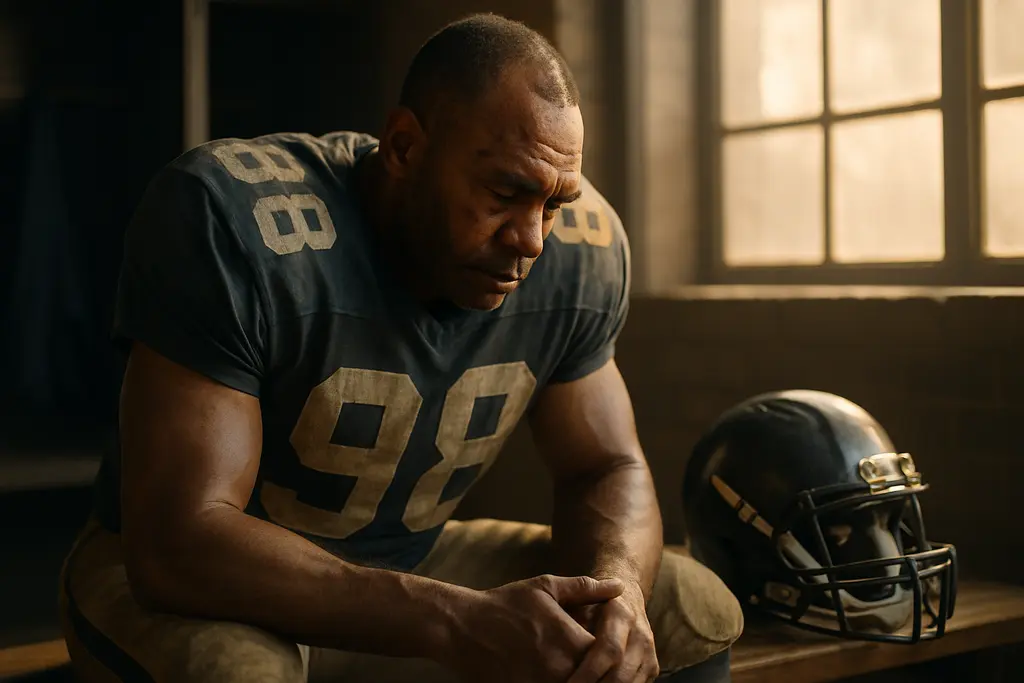
Forget the Hollywood image of the lone athlete. You know, the one who works alone, only listening to the coach. It’s a movie idea, but it doesn’t work in real life.
Today, success in sports is all about teamwork, even if you’re alone on the podium. The idea of a lone athlete is fading away. That’s where a strong support system comes in, going beyond just a coach.
Imagine your own Justice League. Each member has a special power to help you. Studies show that social support and feeling connected are key to handling stress.
The real challenge is how your team works together in tough times. When the coach’s voice is drowned out, your team’s unity is what matters. This decentralized command is key. It’s the difference between having a plan and building a winning culture, as experts say in support systems’ importance. A good support system is not just helpful—it’s essential for winning.
Identifying Trusted Supporters
Forget the cheering section; the real work happens with those who see you at your worst and support you. Building a strong support network isn’t about being popular. It’s about finding people who genuinely help you improve and feel better. Let’s look at who makes up your team.
Your teammates are your first line of defense. They’re not just rivals for playing time. They are your confidants who get the pressure you face. This support system is priceless. They offer reality checks and a listening ear when you need it.

Next, evaluate your coaches. A good head coach builds trust and shows they know what they’re doing. They must be competent and trustworthy. Your strength coach should know when you’re hurt versus when you’re injured. We can use a trust-competence matrix to find the right people. They should care about you deeply and be experts in their field.
Then, we look at the unsung heroes:
- The Sports Psychologist: Your mental coach. They help you see improvement and stay in control.
- The Nutritionist: Your fuel expert. They turn food into a tool for better performance.
- The Family Member: Your safe place. They support you unconditionally, away from the pressure of sports.
Each person in your circle has a specific role in helping you cope. A supporter who can’t help you control your emotions or strategize is just a cheerleader. For more on how these networks work, check out support networks for injured athletes.
To make this practical, use a matrix to grade your team. Be honest. It’s better to have a few people who excel than many who don’t.
| Supporter Role | Trust Metric (Do they have my back?) | Competence Metric (Do they know their stuff?) | Primary Function in Your Toolkit |
|---|---|---|---|
| Teammate / Confidant | High: Shares similar struggles; confidentiality is key. | Medium-High: Practical, experiential wisdom from the field. | Venting frustration, reality checks, relatable social support. |
| Head Coach | Variable: Must be earned through consistent action. | Must be High: Technical and strategic expertise is the job. | Providing direction, perceiving improvement, instilling control. |
| Sports Psychologist | High (through professional confidentiality). | Very High: Trained in mental performance science. | Managing perception, building mental control, stress modulation. |
| Nutritionist | Medium: Built on results and data. | Very High: Certified expertise in sports nutrition. | Providing metabolic control, fueling recovery and performance. |
| Family / Safe Harbor | Very High: Unconditional by nature. | Low (in sports): Their competence is in love, not lactate thresholds. | Unconditional safe space, emotional ballast away from sport. |
The goal is clarity. You now know who’s on your team and why. This isn’t your fan club. It’s your special ops team for tough missions. Assign roles and watch your resilience and performance soar.
Communication Tips
The biggest problem in sports teams isn’t lack of care. It’s when everyone talks but no one understands. You’ve got your dream team, but if they’re all on different pages, you’re set up to fail.
Start with the MVP Process, inspired by mental coaches. It’s not about being the MVP. It’s about Mission, Vision, and Core Principles. This framework helps your team work together.
What’s your ‘why’ (Mission)? What goals are you chasing (Vision)? What values are non-negotiable (Core Principles)? Being clear with your team, including family members, helps everyone work towards the same goal.

Then, get analytical. Think of the spy movie scene where they crack the enemy’s code. DISC profiles do the same for your team. They show how you communicate and how it matches or clashes with others.
Are you a direct ‘D’ type trying to talk to a detailed ‘C’ parent? Does your ‘I’ coach’s pep talk miss your ‘S’ teammate? Knowing DISC profiles helps you talk better.
Now, focus on meaningful conversations. Avoid the “how was practice?” “fine” talk. Ask questions that really matter, like “What was most productive today?” or “What do you want me to notice this week?”
This way, feedback is a gift, not a bombshell. It’s key at the family dinner table, where advice can feel like criticism.
Social media is a minefield. Your aunt’s post might feel like criticism. Set digital boundaries to protect yourself.
Consider these communication styles and their impact:
- Direct vs. Diplomatic: The coach who says “your footwork needs work” versus the parent who says “you looked tired out there”
- Data-Driven vs. Emotion-Focused: The teammate citing stats versus the sibling asking how you felt
- Public vs. Private: Social media comments versus one-on-one conversations
To turn your support system into a brain trust, focus on intentional communication skill development. It’s about creating a common language for everyone.
The goal? When your family members, coach, and teammates speak, you hear support, not static. When you communicate your needs, they get it clearly. That’s how top teams work together.
When to Seek Professional Help
Your support squad has your back. But sometimes, you need a specialist, not a cheerleader. It’s like asking your running buddy to do knee surgery. The mind needs the same care.
When does the pep talk fail? Look for the loops. Chronic stress that replays like a bad song. Communication that shatters under pressure. Feeling hollow in your actions. These are your red flags. As the Mayo Clinic outlines, lasting changes in mood or behavior signal it’s time for a pro.
Enter the performance consultant. This is not your life coach. Great mentors offer wisdom from the sidelines. A consultant integrates into your system. They’re the mechanic for your mental engine. The process often starts with a tool like a DISC profile, mapping how you think and react.
Choosing this person is a strategic draft pick. You need someone who gets your sport’s culture and your personal grind. The goal isn’t to fix something broken. It’s to rewire for peak performance. In the arena, the final 0.1% often comes from the mind. A professional helps you find it.