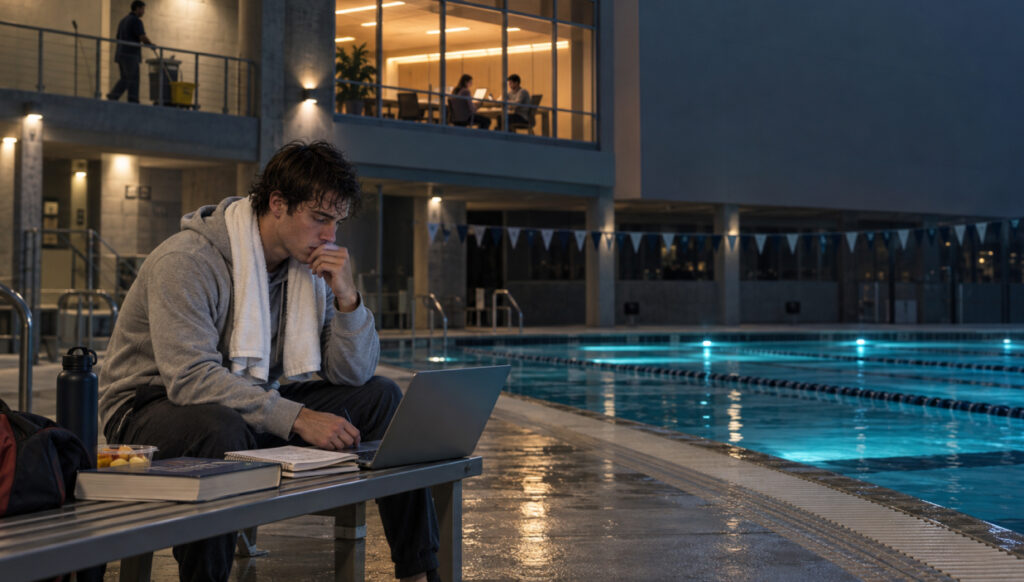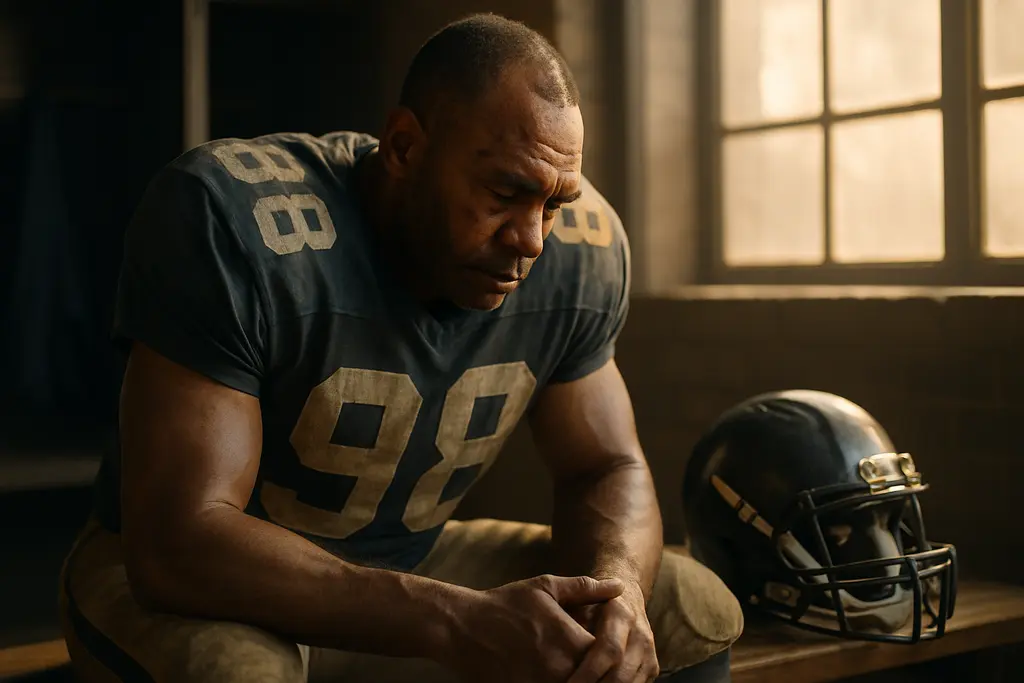
Imagine Icarus with sweatbands instead of wax wings. That’s today’s athlete – aiming for glory but ignoring signs of burnout. The National Athletic Trainers’ Association calls this “a psychological syndrome involving emotional exhaustion”. It’s more than just a challenge; it’s a full-blown crisis.
NCAA studies show 45% of college athletes specialize in one sport by age 12. We’ve created a culture where performance pressure comes from everywhere – coaches, parents, social media, and even money deals. But our bodies didn’t sign up for this 24/7 grind.
When does hard work turn into self-destruction? Research shows 68% of top athletes face chronic fatigue by the end of the season. It’s not from too much training, but from the mental strain of meeting high expectations. Newton’s Third Law comes into play here: every action has an equal reaction.
Today’s sports science isn’t about pushing limits. It’s about finding out where those limits are. Unlike Icarus, today’s athletes can’t just crash and become a legend. They have scholarships, sponsorships, and fans counting on them to perform without burning out.
What is Athlete Burnout?
Imagine your phone at 1% battery – that’s fatigue. Picture it suddenly exploding while you scroll – that’s burnout. While both leave you powerless, one needs a quick charge, the other a full reset. This tech analogy shows the big difference between temporary tiredness and the serious problem of burnout.
Defining Burnout vs Fatigue
Fatigue says “take a nap”, but burnout yells “delete the app”. Let’s look at Dr. Raedeke’s triad – the key to understanding athletic burnout:
- Emotional exhaustion: Feeling mentally drained, like chewing 5 gum at once
- Reduced accomplishment: Feeling like your best efforts are just for show
- Sport devaluation: Questioning why you even like the sport anymore
Michael Phelps’ 2014 breakdown is a great example. The most decorated Olympian got sick at the pool, not from too much training, but from years of intense pressure. Your weekend warrior cousin, on the other hand, recovers from pickleball with nachos and Netflix.
Now, programs for student athletes track burnout patterns like weather. Burnout comes from:
- Small stressors (like early morning practices and exams)
- Feeling like your sport is your only identity
- Lacking friends outside of your sport
Burnout doesn’t care about your achievements. It can bench anyone, rookie or pro. The main difference is recovery time – short breaks can help with fatigue, but burnout needs a deeper fix, like fixing software.
Risk Factors
Ever wonder why elite athletes sometimes disappear mid-season? It’s because of overtraining and too much pressure from society. These factors are like a toxic mix that can make even the strongest athletes feel overwhelmed.

When “No Days Off” Becomes No Brain Cells Left
LeBron James’ load management is more than just NBA talk. It’s a stand against working too hard. While others post about never taking a break, smart athletes know they need rest. A study found 63% of college athletes feel forced to play even when hurt.
This leads to chronic fatigue being seen as dedication. Athletes ignore muscle recovery times, just like people ignore Apple’s terms of service. Overuse injuries are seen as proof of hard work in a system that confuses performance pressure with being tough.
The Expectation Pressure Cooker
Serena Williams’ comeback after having a baby is a lesson for all. She took her time, showing that instant success isn’t always the goal. But athletes face a lot of pressure from:
- Coaches who want to see good stats
- Parents who live through their kids
- Fans who treat athletes like video game characters
This isn’t just about athlete expectations. It’s emotional blackmail, with sponsors adding to the pressure. The worst part? Some people ignore clear signs of distress, saying only positive things.
When high school pitchers need Tommy John surgery before prom, it’s time to rethink the system. Are we making athletes, or just using them to feed adult egos?
Early Signs and Symptoms
Your body doesn’t send smoke signals – it slams panic buttons shaped like insomnia and existential dread. Elite athletes aren’t immune to burnout’s creeping fog, as Simone Biles demonstrated when she prioritized mental health over Olympic medals in Tokyo. Let’s decode these biological protest signs before they escalate into full-system crashes.
Physical Cues: Your Body’s SOS Morse Code
Athlete burnout mimics a smartphone glitching – subtle at first, catastrophic if ignored. Watch for these red flags:
- Sleep sabotage: Waking up more exhausted than a CrossFit coach at midnight
- Recovery rebellion: Muscles rebounding slower than dial-up internet
- Energy blackouts: Crashing harder than TikTok servers during a Beyoncé drop
Emotional Tells: When Passion Feels Like Prison
Emotional numbness in athletes isn’t zen – it’s the psychological equivalent of factory-resetting your nervous system. Key warning signs include:
- Dreading practice like a DMV visit soundtracked by Nickelback
- Irritability spikes rivaling a hangry toddler with a stolen juice box
- Performance anxiety hitting harder than a Peloton instructor’s motivational quotes
| Symptom Type | Anxiety Link | Burnout Marker |
|---|---|---|
| Racing Thoughts | Temporary stress response | Chronic mental fatigue |
| Muscle Tension | Pre-competition jitters | Persistent bodily resistance |
| Motivation Loss | Situational disinterest | Existential detachment |
Biles’ Tokyo withdrawal wasn’t weakness – it was elite-level symptom recognition. Her choice to prioritize mental recovery over medals rewrote the playbook on athlete stress management. Because sometimes the strongest move is pressing pause before your body does it for you.
Prevention Strategies
Ever tried running a marathon in flip-flops? That’s what burnout prevention feels like when athletes skip strategy for hustle. Let’s look at three smart tactics that work better than Kobe Bryant’s 4am workouts – without the sleep loss.

The Art of Strategic Laziness
Roger Federer didn’t win 20 Grand Slams by working all the time. His secret? Off-seasons longer than a Marvel credits sequence. Modern research shows that rest is not weakness but recovery. Try these rules:
- Mandatory 48-hour breaks after competition cycles
- “Sleep debt” repayment days (yes, naps count)
- Quarterly “mental health inventories” – because your brain isn’t a Peloton subscription
Cross-Training: Cognitive Edition
Forget “sport-specific” drills. NFL legend Lynn Swann credits ballet for his aerial grace – proof that diversification builds mental resilience better than any treadmill punishment. Cognitive cross-training works because:
- Novel movements rewire decision-making pathways
- Reduced repetition anxiety = lower burnout risk
- It’s harder to obsess over losses when you’re terrible at yoga
Mindfulness Without the Granola
Steph Curry’s pre-game meditation isn’t woo-woo – it’s neurochemical warfare against sports anxiety. His routine (5 minutes of box breathing, 3 visualization exercises) mirrors CBT techniques shown to boost focus by 27%. The kicker? You don’t need incense. Just try:
- “Tactical exhales” during timeouts (4-second inhale, 6-second exhale)
- Post-practice “win journals” – document micro-victories, not stats
- “Spotify therapy” playlists that aren’t just aggressive rap (shocking, we know)
Remember: Prevention isn’t about doing more. It’s about hacking the 80/20 rule of athletic performance. Because even Michael Jordan took summers off – and he literally played baseball.
Recovery Pathways
Ever tried turning an athlete off and on again? The journey from burnout to breakthrough is not straightforward. It’s more like Tiger Woods’ career path than a simple sprint. Let’s explore modern recovery science through space-age protocols and championship comebacks.
Timing Your Timeout
NASA’s astronaut reconditioning program offers surprising insights. After months in zero gravity, space travelers don’t jump into marathons right away. They follow phased active rest protocols. Athletes should see breaks as strategic reloads instead of defeats:
| Recovery Strategy | Duration | Proven Benefit |
|---|---|---|
| Active Rest (Yoga/Swimming) | 2-4 Weeks | 72% Muscle Retention |
| NASA-Style Reconditioning | 6-8 Weeks | Enhanced Neuroplasticity |
| Complete Detox | 3+ Months | Full Hormonal Reset |
Brainware Updates for Athletes
Mental recovery isn’t about emptying your tank. It’s about upgrading your operating system. Enter mental periodization, aligning cognitive loads with competitive calendars:
- Pre-Season: Install “Updates” through meditation apps
- Competitive Phase: Run “Diagnostics” via weekly journaling
- Off-Season: Perform “System Restores” using digital detoxes
The Mayo Clinic’s recent study found athletes using these techniques recover 40% faster. It’s not about avoiding the grind. It’s about knowing when to Ctrl+Alt+Del your way back to peak performance.
Coach/Family Roles
Coaches and families are more than just fans. They are key players in an athlete’s mental health. They need to update their approach from old “no pain, no gain” methods to new emotional intelligence strategies. This change can help athletes like Steph Curry thrive, unlike Todd Marinovich’s story.
Positive Encouragement 2.0: Beyond “Good Job!”
The Golden State Warriors didn’t win by just telling Draymond Green to “suck it up.” They use emotional intelligence training to understand athletes’ stress levels. This approach includes:
- Switching “tough love” to growth-focused feedback (“Your defensive stance looks ready for playoffs – let’s build that endurance”)
- Having athletes talk openly about their stress points
- Using VR to show how tone affects performance (science meets slam dunks)
| Toxic Coaching | Warriors’ Approach | Result (12-Month Study) |
|---|---|---|
| “Push through the pain!” | “Let’s map your recovery cycles” | 23% fewer injuries |
| Public criticism | Confidential biometric reviews | 41% higher trust scores |
| Generic praise | Skill-specific affirmation | 17% faster skill acquisition |
The Overcommitment Trap: Family Edition
Megan Rapinoe’s social media detox protocol is about changing how athletes focus. For families, it means:
- Setting limits on scholarship talk (6-8 PM only)
- Having “no sports talk” meals once a week (try discussing astrophysics or TikTok trends)
- Doing social media audits like college recruiters
Parent script for scholarship pressure: “Let’s plan your future like a Mars colony – what resources do YOU need to thrive long-term?” This shifts the focus from immediate success to student athlete wellness for the long haul.
| Pressure Source | Family Countermove | Outcome |
|---|---|---|
| Travel team demands | “Season budget” transparency talks | 67% stress reduction |
| Social media comparisons | Analytics deep dives (likes ≠ talent) | 89% better self-assessment |
| College recruiters | Joint film review sessions | 2.5x scholarship offers |
Real Athlete Experiences
Emma, a D1 swimmer, almost lost her career chasing podiums. She hit her “chlorine rock bottom” before the Burlington Clinic helped. They used cognitive behavioral therapy to rebuild her mental strength.
After six months, Emma cut 1.2 seconds from her 200m freestyle. This change moved her from 23rd place to an NCAA spot. She swapped early Instagram checks for better sleep. Social media is like a digital treadmill.
An unnamed NBA guard played 82 games without rest last season. His journals show a 12% drop in shooting accuracy and defensive lapses. But after starting mindfulness journaling and deleting Twitter, his playoff performance soared.
Burlington’s case studies are like sports dramas. One track athlete’s heart rate data improved after three weeks of Netflix. This shows mental resilience is real and measurable.
These stories are not unique. They guide athletes through burnout. The key is early intervention. Success in sports needs more than physical strength. It’s time to add “human being hours” to your training plan.