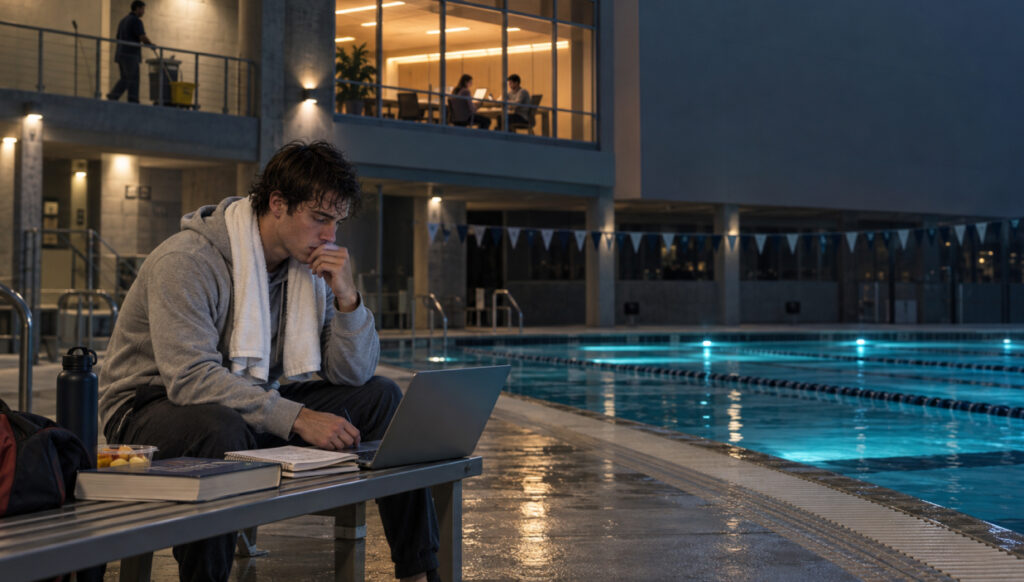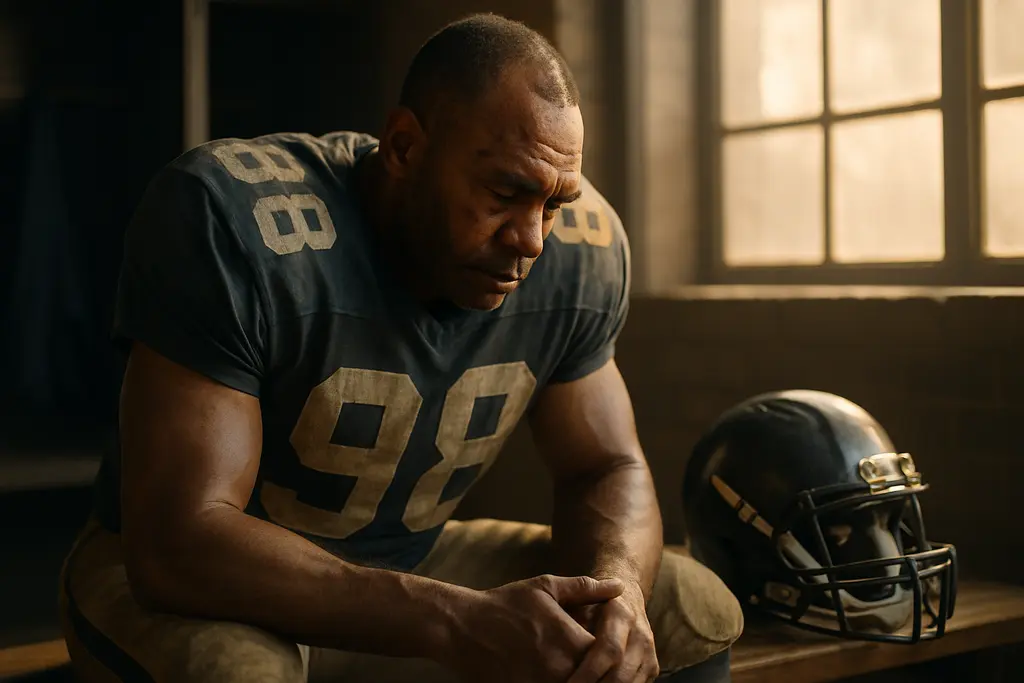
Ever seen a rookie gamer freak out during a tough fight? That was me, twice, choking at big games like I forgot how to hold a bat. Let’s skip the “rah-rah resilience” talks and focus on real grit for tomorrow’s stars.
Your kid isn’t just improving their game. They’re facing the Dark Souls of growing up. One strikeout from quitting sports? Been there. I threw my helmet so hard, NASA might have tracked it. But here’s the trick: building mental toughness isn’t about never failing. It’s about getting back up smarter.
Coaches often shout “mental reps!” like it’s a magic boost. But, you can’t just delete a teenager’s worries when colleges are watching. My comeback was during a critical at-bat that felt like defusing a bomb and solving a Rubik’s cube. The key? A coaching style that’s more like Gandalf’s pep talks than angry NPC quests.
This isn’t about making athletes who ignore their feelings. We’re training the next generation to handle their emotions in the game. Ready to stop being the awkward NPC in your kid’s sports story? Let’s turn on the Champion Mindset mode: Parental Settings → Champion Mindset.
Why Mental Toughness Matters in Youth Sports
Do you think mental toughness is only for winning in Fortnite? Imagine facing Coach Johnson’s 6 AM drills after your brother deleted your game. It’s tough, like facing a Dark Souls boss. Mental toughness in youth sports is more than winning trophies. It’s about learning to handle life’s challenges.
Benefits for Young Athletes
Youth sports psychology is not just about not crying when you strike out. It’s a secret strategy for:
- Pressure Management: That clutch free throw? It’s the same as surviving Aunt Karen’s tough questions at Thanksgiving.
- Scholarship Roulette: College scouts watch more than just your fastball. They see how you bounce back from mistakes.
- Emotional Loadouts: Resilient athletes turn failure into a strength, like speedrunners use glitches. (Source 2 shows this skill is valuable.)
Long-term Impact on Life Skills
The Army’s basic training and youth sports share a secret. Both teach:
“How to fail 7 times, stand up 8, and hit the showers before the hot water runs out.”
These programs give you skills for adulting’s toughest challenges:
- Problem-Solving: Lost your cleats? Use your creativity to find a solution.
- Social EQ: Dealing with teammate drama prepares you for office politics.
- Delayed Gratification: Working for varsity spots teaches patience, better than any adulting tip.
Mental toughness makes kids resilient, like Roguelikes. Every setback makes them stronger. And these skills last a lifetime, unlike seasonal upgrades.
The Foundations of Mental Resilience
Building mental toughness in young athletes isn’t just about posters. It’s about teaching them to respawn smarter after setbacks. It’s like upgrading their emotional firmware from “Crybaby.exe” to “BringItOn.OS”.

Growth Through Adversity
Remember when Timmy quit Fortnite because of cheating? Multiply that by 1,000 real-world losses, and you get the perfect training ground for sports adversity. The trick is to treat setbacks like Dark Souls boss fights – tough but conquerable with the right strategy.
- The 24-Hour Salt Rule: Let them vent for one day max – then reboot the system
- Failure XP System: Every loss = +10 critical thinking points. Track progress like a skill tree
- Glitch Hunting: Use soccer mistakes like army recon tactics – “That missed penalty? Intel for next mission”
Self-Talk and Internal Dialogue
Your kid’s brain has two annoying NPCs: Toxic Tim and Wisdom Wendy. Our mission is to nerf the trolls and buff the healers. Research shows normalizing mistakes reduces mental lag by 40%.
| Toxic Self-Talk | Constructive Alternative | Real-World Example |
|---|---|---|
| “I’ll never make varsity” | “My grind needs better loot drops” | Extra practice sessions = XP farming |
| “Coach hates me” | “Need to upgrade my communication stats” | Requesting feedback = unlocking new quests |
| “This is too hard” | “Time to switch combat strategies” | Studying game film = scanning enemy patterns |
Pro tip from my Army days: Teach them to hack anxiety by seeing nerves as “combat readiness”. That pre-game stomach flip? Just your body’s hype-man preloading adrenaline DLC. The key to raising resilient kids isn’t avoiding rage quits – it’s mastering the art of the restart.
Key Strategies for Parents and Coaches
Let’s get real about building athlete mental resilience. It’s not about making kids emotionless. It’s about teaching them to handle real-world challenges. Here’s how to support them without being too much.
Modeling Resilience (Without the Cringe)
Kids notice hypocrisy fast. If you say “embrace the grind” but freak out over small things, you’re not setting a good example. Your reactions to everyday stress teach them how to deal with tough times.
“The best coaches aren’t yelling from the sidelines – they’re showing players how to respawn after getting wrecked.”
| Resilience Win | Resilience Fail | XP Gained |
|---|---|---|
| “Let’s analyze what went wrong” post-game | “We’re emailing the league commissioner!” tantrum | +50 critical thinking |
| Sharing your own failure stories | “Back in my day…” superiority lectures | +30 vulnerability cred |
| Calmly handling schedule changes | Panic-calling 5 alternate tournaments | +40 adaptability |
Goal-Setting: The Ultimate Side Quest
Forget about participation trophies and harsh criticism. The goal is to set challenges that are tough but fair. Think of it like Dark Souls – it’s hard but rewarding.
Teach them to negotiate for themselves, like in a role-playing game. This helps them learn to advocate for their needs.
- “Increase free throw accuracy by 15% this month” > “Become the next Steph Curry”
- “Learn 3 new defensive strategies” > “Never let the opponent score”
- “Track hydration for 2 weeks” > “Transform into a human Gatorade bottle”
Failures: The Glitches That Make the Game
When your kid has a tough game or doesn’t make the team, your reaction matters. View it as a chance to improve. Every setback is a chance to grow stronger.
Remember, there’s a difference between helping and overdoing it. Support them without breaking the bank or their spirit.
Practical Exercises and Techniques
Building mental toughness isn’t just about motivational posters. It’s about leveling up your brain’s operating system with sharp techniques. Are you ready to turn sports adversity into your advantage? Let’s get started.
Visualization and Focus
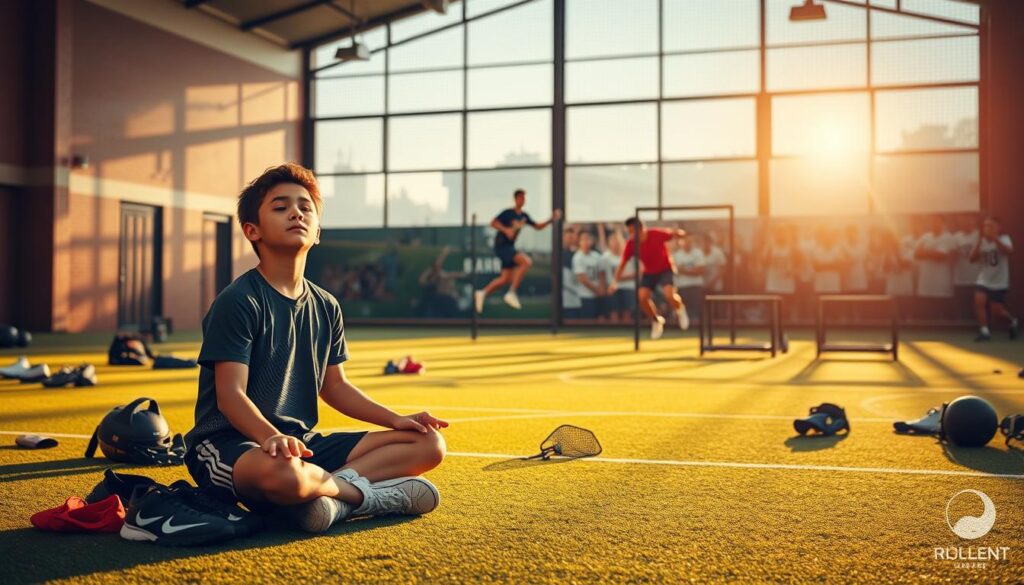
Visualization isn’t just about imagining success. It’s about Jedi-level mental scripting. Sport psychologists suggest treating big moments like a TAS bot replay:
- Pre-game: Mentally rehearse plays in slow-mo (think Matrix bullet time)
- Mid-performance: Use trigger words like cheat codes – “L3+R2 focus”
- Post-game: Analyze mental footage like a Twitch VOD review
“Visualization isn’t daydreaming – it’s coding muscle memory through your eyeballs.”
Stress Management Methods for Young Athletes
When pressure hits hard, resilient athletes use these pro gamer moves:
| Technique | Gamer Translation | Real-World Benefit |
|---|---|---|
| Box Breathing | Konami Code (↑↑↓↓←→←→BA) | Resets heart rate faster than a rage quit |
| 5-4-3-2-1 Grounding | Inventory Management Simulator | Slows panic attacks like a well-timed pause menu |
| Progressive Muscle Relaxation | Character Creation Screen Reset | Prevents tilt during clutch moments |
Want the ultimate power-up? Our free bonus guide includes a “Mood Meter” system. It makes emotional regulation easier than crafting in Minecraft. Nobody wants their kid to pull a “Leeroy Jenkins” during finals week.
Warning Signs of Pressure or Burnout
Ever seen a video game character stuck in an endless respawn loop? That’s what youth sports burnout is like, but with real kids. They feel like they’re stuck in a never-ending cycle of practices. Let’s explore this together.
When Toughness Becomes Damage
Healthy mental armor starts cracking when:
- Their “motivation meter” drops below loot box odds
- Post-game analysis sounds like a toxic voice chat session
- They’d prefer to face real-life algebra tests than practice
Research shows 68% of young athletes quit due to burnout. It’s like they’ve lost interest in the game of life. This is far worse than getting stuck in a speedrun!
| Healthy Grind | Burnout Glitch | Parental Patch Notes |
|---|---|---|
| Quest enthusiasm | Main story skipping | Reset difficulty settings |
| Boss fight excitement | NPC energy | Install fun DLC |
| Skill tree curiosity | Meta slave mentality | Ban tier lists |
Watch for the “identity house” collapse. When your athlete’s personality becomes one-dimensional, it’s time for a change. If they only care about sports, it’s time for new adventures.
“The best players know when to pause the game – champions aren’t made through corrupted save files.”
Raising resilient kids means keeping the game challenging, not crushing. It’s about helping them grow, not burn out. Remember, nobody wins when the game gets too hard.
Creating a Supportive Environment
Building athlete mental resilience isn’t about giving everyone a trophy. It’s about creating a place where young athletes can recover from setbacks. Imagine a perfect place to start over, without the drama.
Communication That Doesn’t Trigger Eye-Rolls
The car ride home after a game isn’t a time for grilling. Source 3’s advice is to ask what felt good first. It’s like watching game replays without judgment.
Here are some tips for better conversations:
- Replace old stories with deep discussions
- Keep gaming chat respectful
- Give three times as much praise as criticism
Empathy: Your Secret Raid Heal
When your athlete makes a big mistake, don’t freak out. Source 2’s tips can help manage emotions better than any healing spell:
“Naming your feelings helps control them – ‘That frustration means you care’ is better than ‘Stop pouting.'”
Use an emo-meter to track feelings. It’s like having a tool for emotions in the game. Suddenly, saying “I’m fine” means you really need help.
Trust: The Ultimate Power-Up
Building resilient athletes means celebrating effort, not just success. Even bad plays are valuable lessons. Here are ways to build trust:
- Have regular talks about growth
- Play failure bingo (bonus points for creative mistakes)
- Only say “GGs” after games to relax
Trust isn’t built by winning all the time. It’s about being there for each other, even when things go wrong.
Resources and Further Reading
You’ve made it through the tutorial mode of building mental toughness for young athletes. Now, let’s dive into the DLC content. My guide, “Confident, Calm and Clutch,” is coming out tomorrow. It combines Sun Tzu’s wisdom with Fortnite coaching, filled with strategies to turn sports challenges into opportunities.
Pro tip: PAK Pediatrics’ guide on beating performance anxiety is more effective than any loot box. Their “secret boss” tactics help kids bounce back quickly after tough losses.
Looking for a sports psychologist who won’t embarrass your teen? Dr. Julie Fudge’s “Grit Clinic” offers live sessions on esports mentality. It’s great for gamers who think therapy is for NPCs. For tennis parents, Andre Agassi’s autobiography “Open” is like Dark Souls, with bonus chapters on surviving junior tournaments.
Bookmark these resources: The Positive Coaching Alliance’s free webinars, Headspace’s “Chill Mode” meditation packs, and our Discord server. These are for parents to share stories and tips. The goal is to raise humans who can handle life’s challenges without losing their cool. Are you ready to start again?