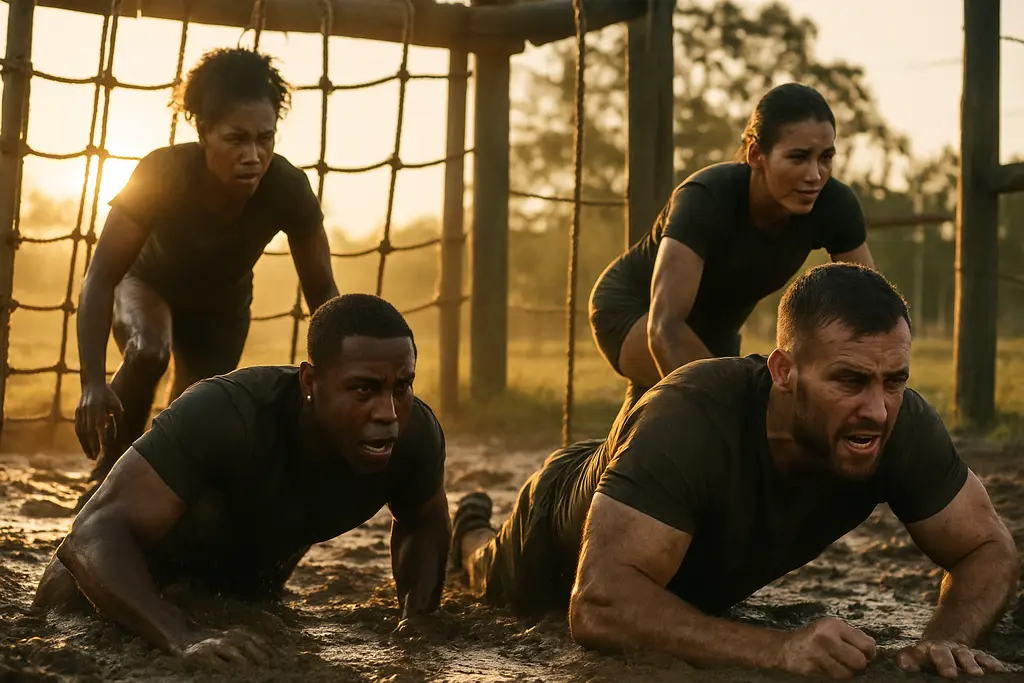
Cardiovascular Risks in tactical athletes are receiving more focused attention after the American College of Cardiology and American Heart Association released the first formal guidance for this workforce in September 2026. The ACC described more than 4 million U.S. tactical athletes and introduced Tactical Clinical Management, a framework meant to combine evidence-based cardiovascular medicine with operational demands and public safety considerations ACC guidance announcement.
That development matters because tactical work is not the same as recreational exercise. Military personnel, firefighters, law enforcement officers, emergency medical responders, pilots, and similar groups may face sudden high-intensity exertion, protective gear, environmental stress, long shifts, and decision-making pressure. None of those factors automatically means a person has heart disease. They do mean that cardiovascular assessment may need to account for both individual health and the demands of a role.
This resource is educational only. It does not diagnose, screen, clear, restrict, or provide personal medical advice. Individual decisions about symptoms, testing, duty status, medication, or training should be made with qualified clinicians who understand the person’s health history and job requirements.
What Changed In September 2026
Tactical Clinical Management As A Shared Language
The September 2026 ACC/AHA guidance introduced Tactical Clinical Management, often shortened to TCM. Based on the ACC description, the framework is designed for a setting where standard cardiovascular risk assessment intersects with public safety, mission readiness, and the need to protect workers and the people they serve.
That does not mean every tactical athlete requires the same tests or the same restrictions. A cautious reading is that the guidance creates a more structured way to discuss risk. It recognizes that a firefighter entering a fire scene, a police officer responding to a high-stress call, or a service member performing strenuous duty may face conditions that differ from a typical clinic-based exercise recommendation.
Who Is Included In Tactical Athlete Discussions
The term tactical athlete can be broad. In the 2026 guidance context, it includes people in roles where physical capacity is connected to safety-sensitive job tasks. That can include active-duty military personnel, firefighters, law enforcement officers, emergency medical services personnel, and certain specialized operational occupations.
The term should not be used as a badge of invulnerability. A person can be strong, trained, and highly capable while still having blood pressure, cholesterol, blood glucose, family history, medication, sleep, or recovery factors that deserve professional review. Fitness and cardiovascular risk are related, but they are not identical.
Why Cardiovascular Risks Need A Different Lens
Cardiovascular Risks And Duty Decisions
Cardiovascular Risks in tactical settings may carry consequences beyond the individual worker. A sudden medical event during strenuous public-safety work can affect the worker, teammates, patients, bystanders, or the mission. That is one reason fitness-for-duty decisions can feel more complicated than ordinary wellness conversations.
Still, caution cuts both ways. Overstating danger can stigmatize workers and discourage honest reporting. Understating risk can delay evaluation when symptoms or risk factors deserve attention. A balanced approach asks what is known, what remains uncertain, and which decisions belong with trained medical professionals rather than supervisors, peers, or internet content.
Operational Demands Can Change The Question
In many health settings, the question is whether a person can exercise safely for general wellness. In tactical work, the question may be narrower: can the person perform specific tasks under specific conditions with an acceptable margin of safety? That distinction matters because duty tasks may be sudden, prolonged, stressful, or performed in heat, smoke, heavy equipment, or other demanding environments.
These Cardiovascular Risks do not mean tactical athletes should avoid activity. Physical readiness can be part of occupational health. The key point is that readiness should be interpreted with clinical context, not just performance results. A timed run, strength test, or job simulation may show capacity, but it cannot replace medical judgment when symptoms or risk factors are present.
What The Firefighter Data Suggests
Five-Year Risk Factor Changes
Firefighters are one of the clearest examples of why occupational context matters. A published study of U.S. firefighters followed cardiovascular disease risk factor changes over a five-year period from 2009 to 2016. In that group, male firefighters had increases in body weight, body mass index, obesity, hypercholesterolemia, antihypertensive medication use, and elevated blood glucose; at baseline, obesity was reported in 29% of males and 10% of females PubMed firefighter study.
That study should be read carefully. It does not prove that firefighting alone caused every change, and it does not tell any one firefighter what their personal risk is. Age, diet, sleep, shift patterns, stress, family history, access to care, medication use, and other factors can all influence cardiovascular markers. The value of the study is that it shows risk factors can change over time, even in a workforce associated with physical readiness.
Why Averages Do Not Decide Individual Risk
Group data can help agencies design screening programs, wellness supports, and follow-up systems. It cannot determine whether a specific person is safe for a specific task on a specific day. That requires individual evaluation.
For example, one tactical athlete may have excellent aerobic capacity but untreated high blood pressure. Another may have a family history that warrants discussion. A third may have symptoms during exertion that require prompt clinical evaluation. Averages can point to patterns, but clinicians interpret the person in front of them.
Reducing Cardiovascular Risks Without Overclaiming

What Agencies Can Discuss
Reducing Cardiovascular Risks in tactical populations is not about promising perfect safety. No screening system can remove all risk. A more realistic goal is to improve detection of modifiable risk factors, clarify duty expectations, and create pathways for timely medical review.
Agencies and workers can discuss several topics with qualified health professionals:
- How blood pressure, cholesterol, blood glucose, body composition, symptoms, and family history are assessed over time.
- Which job tasks create the highest physical demand and whether screening reflects those demands.
- How heat, heavy gear, sleep disruption, stress, and recovery may affect performance and health discussions.
- What symptoms should prompt urgent evaluation rather than self-monitoring or peer reassurance.
- How privacy, duty status, and return-to-work decisions are handled so workers are not discouraged from reporting concerns.
For readers who want a related local resource on exertion, age, heat, and screening conversations, CPCWA has covered tactical role risk context in a separate article.
Whole-Person Support Still Matters
Cardiovascular health is often discussed through numbers: blood pressure, lipid values, glucose, weight, workload, and test results. Those numbers matter, but they exist within daily life. Sleep, stress, family responsibilities, food access, injury history, and culture inside an agency can affect whether a worker seeks care or delays it.
Whole-person wellness resources may support reflection, community connection, and meaning without replacing healthcare. Readers interested in values-based wellness content within the same network can explore Spiritual Endeavors, offering support that complements medical advice. This type of resource should be considered as additional educational support, not a replacement for professional assessments or treatment.
Cardiovascular Risks For Tactical Athletes
What To Take Into A Clinical Conversation
The newer guidance signals a shift toward more specific cardiovascular discussions for tactical athletes. It does not turn every supervisor into a clinician, and it does not make internet checklists a safe basis for duty decisions. The better lesson is that health data, job demands, and public safety need to be discussed in the same room, with clinical expertise guiding the medical parts of the decision.
Workers should not have to choose between honesty and belonging. If symptoms occur during exertion, if risk factors are changing, or if a screening result is unclear, the safest next step is not to minimize the concern or self-diagnose. It is to involve qualified healthcare professionals who can evaluate the situation in context.
Discuss these questions with a clinician: Which cardiovascular screenings are appropriate for my age, health history, medications, and job tasks? How should blood pressure, cholesterol, glucose, exertional symptoms, and family history be followed over time? Are there work conditions, heat exposure, recovery issues, or duty tasks that should be considered in my fitness-for-duty evaluation?