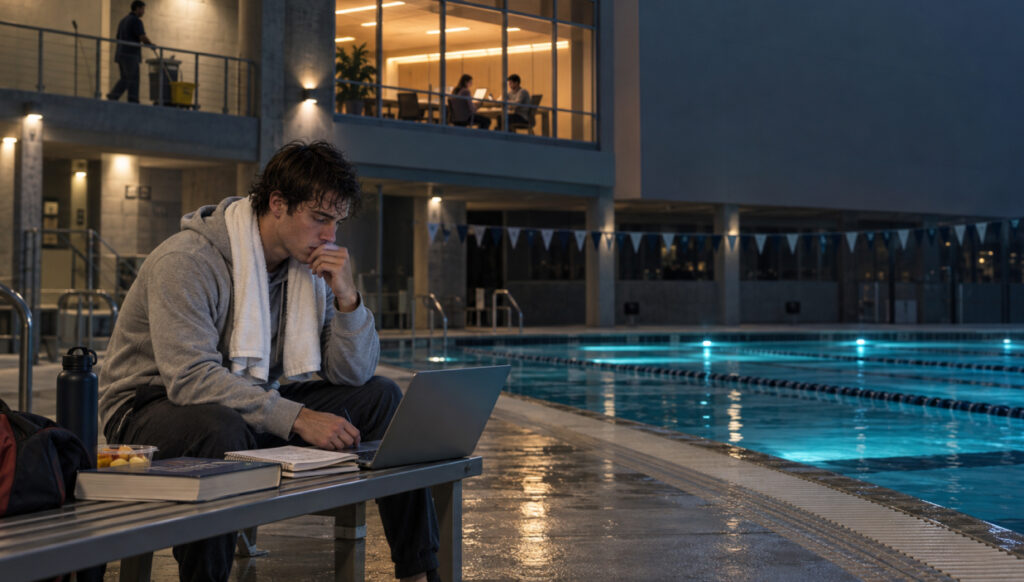
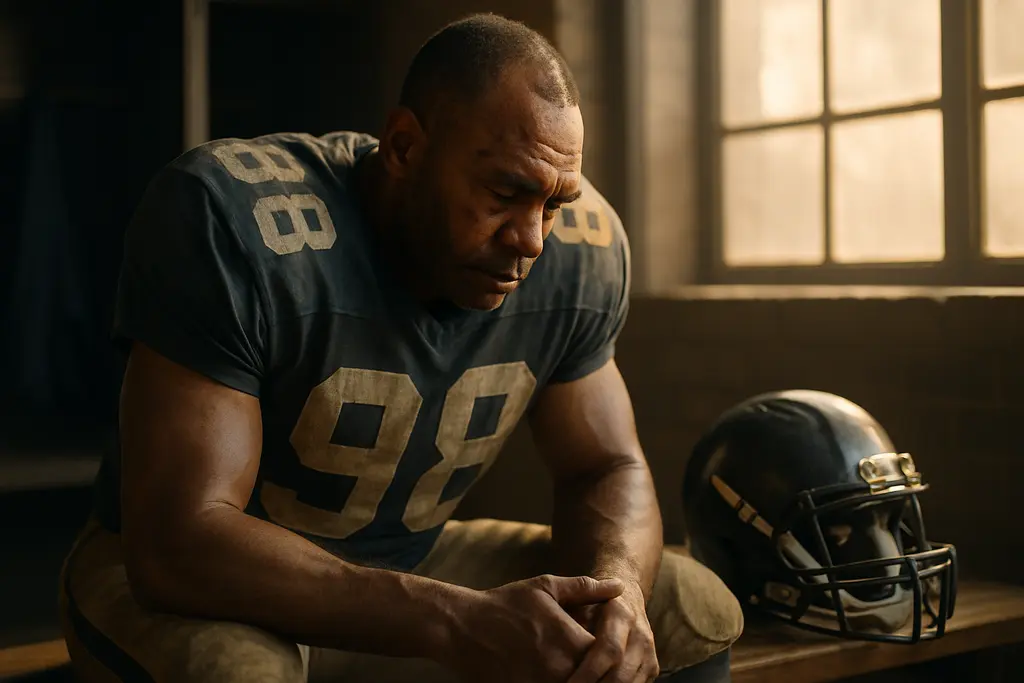
Today’s youth sports are intense, like Elden Ring boss battles. Parents and coaches face the challenge of managing young athletes’ emotions. It’s not easy, as tantrums and outbursts can happen.
Imagine a 13-year-old shortstop getting angry after striking out. We aim to prevent such outbursts. It’s about teaching them to handle pressure without losing control.
We’re not about making kids emotionless. Instead, we focus on teaching them to manage their feelings. This is done with strategies from Olympic trainers and former athletes. The Andy Roddick Foundation helps us understand the importance of relationships in sports.
Think of it as updating their emotional firmware. This way, they can handle tough moments without losing their cool. We want to turn meltdowns into learning opportunities.
We’ll show you how to teach young athletes to cope with stress. It’s like teaching them to play Fortnite, but with real-life skills. Are you ready to help them become better at handling pressure?
Understanding Emotions in Young Athletes
Ever seen a teen athlete go from calm to “controller thrown through the TV” in seconds? It’s the emotional rollercoaster of youth sports. Hormones and competition mix in a messy way, leading to slammed water bottles and “I’m quitting forever!” outbursts. But these meltdowns are more than just drama. They’re brain chemistry battles waiting to be won.
Why Emotional Regulation Matters (Beyond Avoiding Sideline Cringe)
The Aspen Institute’s cognitive regulation framework is more than just words. It’s the ultimate XP grind for young athletes. Emotional control is like a hidden skill tree that unlocks:
- Better decision-making than a pro gamer’s clutch play
- Resilience that makes Dark Souls look like Animal Crossing
- Social skills sharper than a perfectly timed teabag
TrueSport’s “emotional dial” concept is your secret weapon. It’s not about silencing feelings. It’s about learning to adjust the volume from “ear-bleeding death metal” to “lo-fi study beats” during games.
Common Emotional Glitches (and How to Patch Them)
Let’s look at the four biggest rage-quit triggers in youth sports:
“Anger’s just disappointment’s loud cousin – both need headphones.”
| Emotion | Physical Tells | Quick Fix |
|---|---|---|
| Anger | Clenched fists, Fortnite-dance-level pacing | 5-4-3-2-1 grounding (name 5 things you see) |
| Frustration | Eye-rolls that could power wind turbines | “Glitch in the system” reframing |
| Anxiety | Shaky hands like a newbie in ranked play | Box breathing: Inhale 4s, hold 4s, exhale 4s |
| Disappointment | Slumped posture – the ultimate “FF” body language | 24-hour rule before post-mortems |
These coping strategies for kids work like in-game power-ups. They turn emotional meltdowns into strategic plays. A positive sports environment isn’t about avoiding losses. It’s about gaining emotional XP from every game, win or lose.
The Role of Parents and Coaches
If you’re yelling “HUSTLE!” like a Call of Duty NPC, you’re not helping. Today’s young athletes face real challenges, not just video game levels. Your role is to guide them, not make them feel like failures.
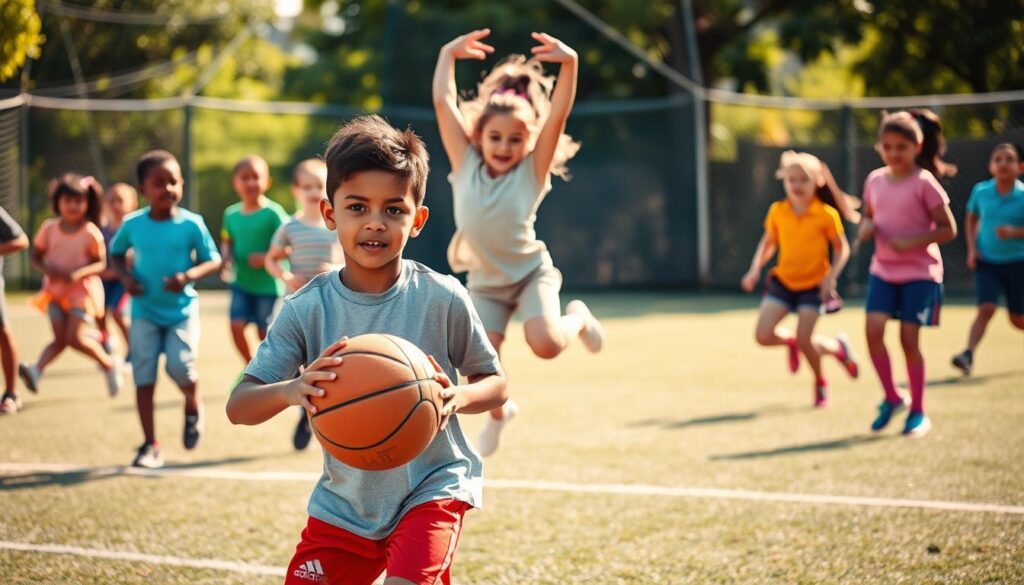
Building Emotional Intelligence (Without the Cringe)
Emotional intelligence is like an XP boost for building sporting confidence kids. The Roddick Foundation uses “celebration rituals” to celebrate small wins. It’s about seeing effort as rewards, not just trophies.
TrueSport’s “ego vs values” framework is like choosing your character in Skyrim. Do you want your kid to focus on tantrums or on resilience, teamwork, and curiosity? Choosing values leads to better outcomes.
Listening, Empathy, and Reframing: The Ultimate Combo Moves
Active listening in sports is like playing co-op. Instead of yelling, try:
- “Let’s analyze that play” (translation: We’re in detective mode, not blame mode)
- “What did your gut say there?” (aka activating their inner gameplay intuition)
- “Let’s workshop a countermove” (because every loss is just DLC content for skill-building)
Seeing failure as “debugging sessions” helps self-esteem young athletes need. A missed penalty kick is a chance to learn, not a game over. And if you start with “Back in my day…”, imagine a Fortnite dance emote mocking you. Seriously. Stop it.
“The best coaches don’t fix plays—they fix perspectives. That’s how you prevent rage-quits from sports altogether.”
Techniques for In-the-Moment Support
When your kid’s stress meter hits “final boss level” during crunch time, you need better tools than a generic “just breathe” pep talk. Let’s break down two emergency emotional patch notes that work faster than rage-quitting a laggy match:
Pre-game and Post-game Routines
Forget basic stretching – we’re talking rituals that make Fortnite emotes look basic. The USOPC recommends these pro-level strategies:
- “Controller check” warmups: 10 minutes of skill drills that feel like calibrating joystick sensitivity
- Victory dance replays: Analyze post-game highs/lows like watching Twitch VODs
- Story mode activation: “If I nail this play, my ultimate move unlocks…” visualization
Breathing and Relaxation Methods
TrueSport’s box breathing technique – the OG health potion for sports pressure:
- Inhale 4 seconds (imagine charging a power shot)
- Hold 4 seconds (target-lock focus)
- Exhale 4 seconds (releasing combo meter)
- Repeat until the “connection issues” light stops blinking
| Situation | Gamer Move | IRL Application |
|---|---|---|
| Pre-game jitters | Button configuration check | Equipment/shoe lace ritual |
| Mid-game tilt | Pause menu breathing | Timeout box breathing |
Pro tip: Pair these techniques with sports visualization for youth that’s more engaging than TikTok trends. Imagine Lebron’s “silencer” celebration – but for nailing free throws at recess.
Long-Term Skills: Resilience, Self-Awareness, Empathy
Think of resilience as the ultimate power-up in the RPG of youth sports—no cheat codes required. It’s not about turning kids into emotionless NPCs. Instead, it’s about mental toughness for young athletes that turns “I’ll never make the team” into “I’m unlocking the ‘Persistent Grind’ achievement.”
The Aspen Institute’s skill progression chart reveals the secret: Resilience isn’t a passive stat boost. It’s earned through:
- Calculated Ls (losses that teach more than easy wins)
- Epic comeback arcs worthy of streaming platforms
- Leadership rotations like the Roddick Foundation’s “Captaincy Carousel” program
“Resilience isn’t avoiding storms—it’s learning to dance in the rain… while keeping your controller dry.”
Self-awareness? That’s the HUD (heads-up display) of emotional growth. Teach athletes to monitor their internal dialogue like Twitch chat:
| Gamer Mentality | Growth Mindset Hack |
|---|---|
| “This boss fight is impossible!” | “I need better loot (skills)” |
| “My team carries me” | “I’ll main support role this season” |
Empathy is the co-op mode of growth mindset youth sports. When your point guard starts trash-talking opponents? Time to activate the “Perspective DLC”:
- “How’d you feel if someone said that mid-match?”
- “Let’s analyze their playstyle instead of roasting it”
- “Unlock the ‘Respectful Rivalry’ trophy”
Pro tip: Track progress through a visible “quest log” (journal). Those who write “Leveled up my passing accuracy!” instead of “I suck” are farming XP for life’s final boss battles.
Warning Signs of Emotional Struggle and Burnout
Ever seen a Fortnite build battle where the player stops editing walls and just starts yeeting grenades at their own feet? That’s youth sports burnout in digital form – except the explosion costs $5K in travel team fees and six months of family therapy. Let’s decode the difference between “having a bad match” and “downloading the emotional equivalent of ransomware.”
TrueSport’s research shows 68% of young athletes mask their stress with “I’m fine” responses – the competitive equivalent of spamming “GG EZ” while rage-quitting. Watch for these glitches in the matrix:
- Inventory Check Fail: Sudden disinterest in gear maintenance (forgetting cleats) or stats tracking
- Loot Box Mentality: Only cares about medals/rankings, not skill development
- NPC Energy: Repeats robotic phrases like “Coach says I need to…” with zero conviction
| Healthy Grind | Burnout Alert |
|---|---|
| Post-loss analysis (What can I improve?) | Post-loss existential crisis (Why do I even bother?) |
| Wants extra practice time | Fakes injuries to skip drills |
| Complains about specific plays | Generalized “Everything sucks” rants |
The Aspen Institute’s developmental milestones report reveals a brutal truth: athletes needing athlete mental resilience training often show physical tells first. Is your goalie’s sleep schedule more messed up than a Call of Duty LAN party survivor? Does their pre-game “focus face” look like someone just unplugged their controller mid-raid?
“Burnout isn’t laziness – it’s the brain’s loot crate system getting stuck on rare item drop rates.”
Implement the 48-hour rule: If negative behaviors persist beyond two rest days, it’s time to activate the support squad. Better to reset the emotional servers early than wait for the whole system to crash during playoffs.
Creating a Supportive, Non-Judgmental Team Culture
Let’s get real – a non-toxic sports environment isn’t about giving out trophies for just showing up. It’s about creating a team where everyone gets support, even when things go wrong. Imagine it like playing games with friends – everyone should feel good, not just the winners.
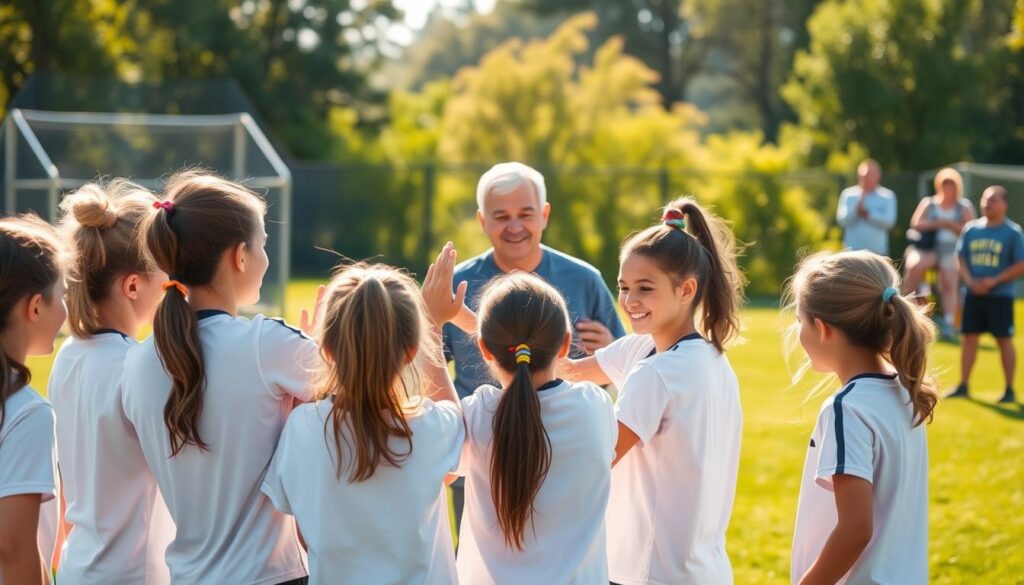
The DC Girls Baseball League figured it out with their “Values Batting Order”:
- ⚾ Secret handshakes that aren’t awkward (no Fortnite dances allowed)
- ⚾ Giving quiet kids leadership roles – they can be amazing at warm-ups
- ⚾ Giving awards to the team’s hype masters for keeping everyone’s spirits high
Here’s a simple way to see the difference between a toxic and supportive team culture:
| Toxic Culture Red Flags | Healthy Team Green Lights | Gamer Equivalent |
|---|---|---|
| Parents coaching from sidelines | Players leading post-game debriefs | Backseat gaming vs. squad strategizing |
| Only starters get recognition | Water crew gets shoutouts for their hard work | Loot hoarders vs. support class appreciation |
| Coaches using shame “motivation” | “Failure film sessions” analyzing mistakes | Trash talkers vs. constructive raid guides |
The secret is to treat everyone like a key player. When Timmy is keeping stats or cheering the team on, he’s building emotional strength. This is way more important than any trophy.
USOPC’s “Respawn Protocols” are a great idea. After a tough play, take a five-minute break for deep breathing, not just drinking Gatorade. Helping kids deal with setbacks is easier when you’re calm, not yelling about scholarships during tee-ball.
Further Resources
You’ve made it through the emotional management tutorial for sports kids. Now, let’s dive into the DLC. The USOPC Youth Hub is more than just Olympic stuff. It’s a treasure trove of free training modules that really help.
Think of it as cheat codes to prevent sports burnout in youth. But, you won’t get banned for using them.
TrueSport’s curriculum is as tough as a Dark Souls boss fight. Their materials turn sideline meltdowns into learning moments. For data lovers, the Aspen Institute’s reports are like epic stories about youth sports, without the boring stats.
Here’s your ultimate gear: bookmark the CDC’s physical activity guidelines. They’re actually interesting. Then, raid the Positive Coaching Alliance’s toolkit like it’s a Black Friday sale. Pro tip – mix these resources with real human connection for the best results.
Need more help? Join grassroots parent-coach groups. They’re like guilds for adults who love “Ted Lasso.”
Your move, coach. Will you keep using the same old strategies or give kids the anti-burnout patch they deserve?