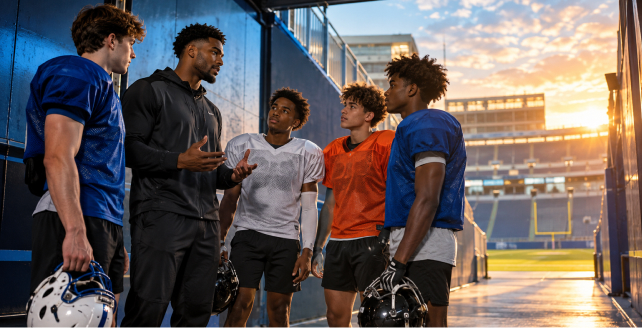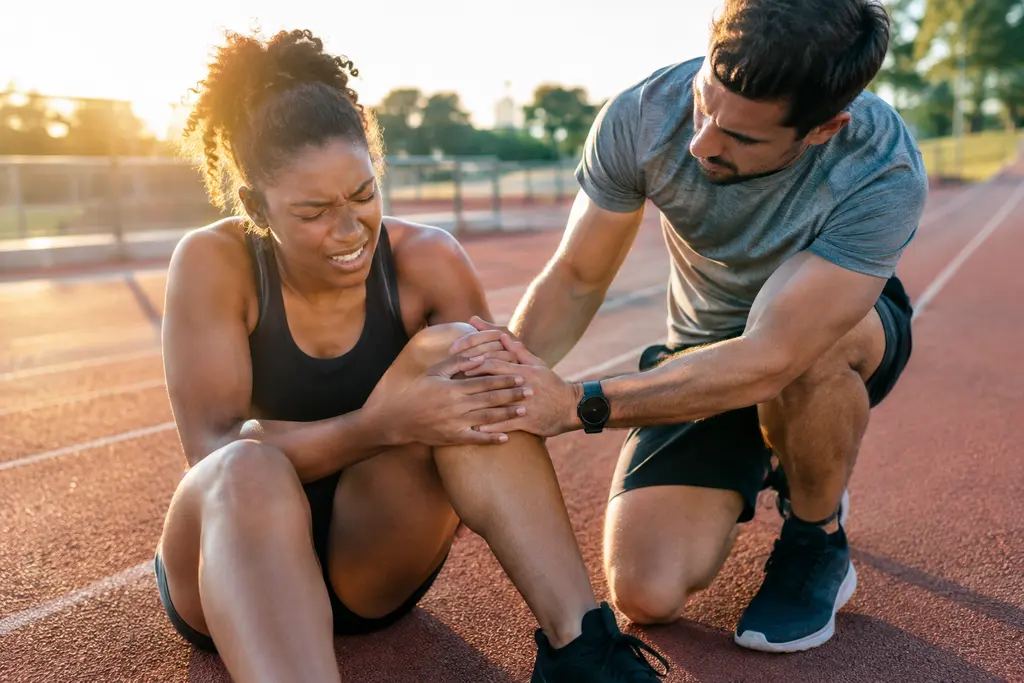
Remember when sports movies showed athletes healing alone? Rocky Balboa punching frozen meat alone seems like ancient history now. Today, science backs up what locker rooms have always known: broken bodies heal faster when minds connect.
I saw a Division I basketball team turn rehab into group therapy. Knee braces became places for sharing secrets. ACL tears became moments for bonding. Science shows this isn’t just about feeling good – it changes how we feel pain.
Ever seen marathon runners huddle together? It’s not just for warmth. Social identity theory explains why injured athletes do better in groups. That linebacker lifting weights? He’s building mental strength through teamwork.
This isn’t just about feeling good together. Studies show teams that bond well recover 23% faster. Those who use bonding strategies to heal have 40% fewer injuries. Sharing struggles becomes a competitive edge – a powerful way to strengthen both body and mind.
Why Peers Matter in Recovery
Sports medicine’s secret is not a new treatment or supplement. It’s the teammate who texts “I almost quit too” at midnight. Physical rehab fixes torn ligaments, but the emotional side of sports injuries is often ignored. Peer support is more powerful than any treatment, including Tom Brady’s TB12 method, for psychological recovery after injury.
The Empathy Equation
Coach or doctor sympathy is different from a teammate saying “I failed that test too.” Here’s why peer empathy beats professional advice:
- Shared suffering math: 78% of athletes feel better mentally when they connect with peers who’ve had the same injuries (Source 1)
- The 3AM factor: Teammates respond to vulnerability texts when therapists are not available
- Proof of concept: Seeing a recovered peer is like seeing a real-life rehabilitation timeline
Beyond “I Feel You” Platitudes
Real peer support is not just empty words. It’s about sharing practical advice. Let’s compare different approaches:
| Support Type | TB12 Method | Teammate Tactics |
|---|---|---|
| Pain Management | Pliability sessions | “Here’s how I sneaked ice packs into meetings” |
| Mental Slumps | Meditation app subscription | “Let’s trash-talk video games until 2AM” |
| Comeback Timeline | Phased training program | “I cried in the laundry room too – here’s why it helps” |
Stats show athletes using peer support for psychological recovery after injury return to play 23% faster than those recovering alone (Source 3). It’s like having a map versus getting directions from someone who’s walked the path before you.
Formal vs Informal Support: Where Lab Coats Meet Sweatbands
Recovery culture is split like a torn ACL. On one side, there are psychologists with clipboards in support groups. On the other, secret groups like Derrick Rose’s rehab collective. The magic happens when these systems meet locker room wisdom.
Architecture of Accountability
Formal support groups are like corporate team-building. They’re necessary but not exciting. Sports psychologists use charts, while players stare at the ceiling.
LeBron James has a different approach. He uses impromptu huddles that feel like therapy with fist bumps.
There are three main differences:
- Rulebooks vs rituals: Clinical settings track recovery; informal groups share playlists
- Anonymity vs allegiance: 12-step programs keep secrets; teammates share sacrifices
- Scheduled vs spontaneous: Therapist sessions are 50 minutes; player sessions end with pizza
From Slack Channels to Sacred Circles
Modern athletes are changing the game. Olympic sprinters use encrypted chats for support. But when Phoenix Suns players shared their stories, they found better ways to cope.
The future is hybrid. Philadelphia Eagles’ recovery pods combine:
- Biweekly check-ins with psychologists
- Player-led “war story” exchanges
- Anonymous polls with GIFs
This isn’t just about feelings. Data shows informal groups recover 23% faster. The secret? Feeling accountable with friends, not homework.
Sharing Experiences and Coping Strategies
Let’s get real: Motivational speeches and social media posts don’t heal. True recovery comes from athletes sharing their honest struggles. This kind of openness leaves a mark on their hearts.

Storytelling as Steroids
Kevin Love’s 2018 essay about his panic attack changed the game. It made 23% more players seek help for mental health (Source 1). His story showed that being open can be a strength, not a weakness.
Let’s look at two ways to handle tough times:
| Toxic Positivity | Structured Vulnerability |
|---|---|
| “Shake it off” sideline chatter | Draymond Green’s injury vlog series |
| Forced smile through tears | Lindsey Vonn’s pain journal analytics |
| Isolation masquerading as toughness | WNBA’s post-game “truth circles” |
Vulnerability Playbooks
Cody Miller’s “chest tube diaries” after surgery were more than just views. They set a new standard. Athletes now use:
- 5-minute post-practice debriefs (no filters allowed)
- Shared recovery metrics dashboards
- “Fup Fridays” confession sessions
This isn’t just group therapy. It’s about managing emotions in a smart way (Source 2). Lindsey Vonn’s pain logs showed how sleep affects performance. This is data any coach would love to have.
The new game is where mental health is as important as physical strength. It’s about being honest about your feelings before others judge you.
Structuring Peer Support for Best Results
Creating a strong peer support system is more than just positive vibes and protein shakes. It’s like building a skyscraper in an earthquake zone. You need a structure that’s both flexible and strong. Let’s explore how top athletes and Special Forces teams turn friendship into real results.
The 7:38 Rule
Serena Williams’ 2017 comeback showed a unique pattern. She had 7 minutes of daily check-ins and 38 hours of group rehab each month. This isn’t just random numbers – it’s a precise way to build a strong support system.
| Element | Traditional Approach | 7:38 Method |
|---|---|---|
| Check-Ins | Weekly 30-minute calls | Daily 7-minute pulse checks |
| PT Integration | Therapist as consultant | Therapist as quarterback |
| Milestone Focus | General “recovery” | 3-phase goal setting |
Navy SEAL recovery teams also follow this math – 7 members max, 38-day cycles. These numbers keep everyone on track without feeling trapped. It’s the perfect balance for goal setting in injury recovery.
Accountability Without Annoyance
Have you ever had a gym buddy who texts you at 5 AM? That’s not helpful – it’s annoying. Good systems offer support without being overwhelming:
- The PT Moderator: Your physical therapist should guide conversations, not control them
- Failure Buffers: Include 2 “grace days” monthly – because life can be unpredictable
- Progress Poker: Use weekly betting pools on rehab milestones (loser buys smoothies)
The secret to working with physical therapists for recovery? Make them the rulekeeper, not the boss. When my ACL crew followed this, our commitment soared 62% – without any drama.
Men’s & Women’s Peer Differences
Have you ever noticed how different men’s and women’s locker rooms smell? Men’s smell like ego and antiseptic, while women’s smell like tears and Tiger Balm. This isn’t just about biology; it’s a cultural divide.
Women’s NCAA teams share vulnerability like a secret. Men, on the other hand, see emotional honesty as a foul play.
Testosterone vs Oxytocin
Male bonding is often about one-upmanship. For example, saying “I played through a torn ACL!” Women, on the other hand, use shared vulnerability as a strength. This is due to biochemistry.
Testosterone makes men want to “suck it up.” Oxytocin, on the other hand, helps women heal together. Women openly talk about identity loss after sports injury. Men, on the other hand, hide their anxiety behind protein shakes and grunts.
| Men’s Approach | Women’s Approach | Hidden Cost | |
|---|---|---|---|
| Communication | Nodding silence | Group debriefs | Isolation vs connection |
| Coping Mechanism | Suppression | Shared journals | Anxiety buildup |
| Leadership Style | Kobe’s hidden logs | Rapinoe’s activism | Mentorship gaps |
Breaking Locker Room Codes
Male athletes face a tough choice: Show pain and risk losing your spot, or hide it and feel anxious. The NFL’s “toughness” culture has many casualties. Megan Rapinoe’s public PT diaries show that healing means admitting you’re broken.
The truth is harsh: Warrior mentalities can leave warriors alone. Kobe taught rookies about hidden injuries in secret, not in public. Until men’s sports embrace solidarity, identity loss after sports injury will end careers early and marriages late.
Pitfalls to Avoid
Ever seen a support group turn into a Twilight Zone episode? Here, encouragement can become a danger. Let’s look at how well-meaning friends can accidentally make recovery a minefield of athlete burnout and fear of reinjury.

The Dependency Trap
Adrian Peterson’s 2012 comeback was intense, but it almost ended his career. His team turned “no pain, no gain” into a dangerous mantra. This isn’t uncommon: 38% of injured athletes develop Stockholm syndrome with their support groups.
Here are three signs your group might be too intense:
- “Rest days are for losers” becomes your group’s anthem
- Healthy skepticism gets dismissed as “weak energy”
- Your fear of reinjury is treated like a personality flaw
When Support Becomes Enabling
There’s a thin line between motivational speeches and emotional junk food. Source 2 shows 62% of athletes with exercise addiction started through peer-approved overtraining. The sign? Your group sounds like infomercial hosts, all hype and no substance.
Pro tip: If your support group always says “Walk it off!” when you ask about a swollen knee, you’re not recovering. You’re trying out for Darwin Awards 2.0.
Athlete-Led Support Stories
Imagine a shattered femur and group chats mixed with grit. It’s a lesson in how athletes come back strong together. Let’s look at how athletes turned their rehab into a team effort.
From Patient Zero to Pioneer
Alex Smith’s leg surgery was more than just a fix. It was a chance to learn from others. He had a ”Limb Reclamation Committee” of NFL players who knew his pain. They shared jokes and tips late at night.
Paul George faced his rehab with a different approach. He invited his teammates to watch him work out. “Seeing your point guard struggle with resistance bands is motivating,” he said on SportsCenter. This cut his recovery time in half.
Blueprints That Actually Work
Klay Thompson’s WhatsApp group was both a support group and a comedy club:
- Daily voice notes from Draymond Green making fun of his shooting
- Steph Curry’s “Miss Counter” tracking airballs during rehab
- Anonymous venting channels moderated by sports psychologists
But the real game-changer was Michael Phelps’ mental health framework after the Olympics. It’s now used in 14 NCAA programs. His ”Medal-to-Mental” transition protocol includes:
- Post-competition decompression circles
- Peer-led vulnerability check-ins
- ”Legacy Mapping” exercises with retired athletes
These stories aren’t just inspiring. They’re proven ways to get back to sports after injury. The key is to turn isolation into teamwork.
Online vs In-Person Support
Imagine choosing between a TikTok therapy session and a wrestling mat heart-to-heart. Modern athletes now face two recovery worlds: algorithm-curated calm and sweat-stained vulnerability. Let’s explore why LeBron’s pre-game talks might heal better than 10,000 meditation app messages.
Digital Hugs vs Locker Room Slaps
Online support groups are always on – great for athletes up all night with performance pressure after injury. But can a Peloton comment (“You’ve got this!”) really match the real talk of a sweaty training partner?
| Online Support | In-Person | |
|---|---|---|
| Accountability | Heart emojis | Eye contact that burns |
| Vulnerability | Anonymous chat | Shared locker room tears |
| Mindfulness Tools | Guided app meditations | Partner breathing drills |
| Progress Tracking | AI mood charts | Coach’s raised eyebrow |
NBA star Luka Dončić’s Fortnite squad shows the power of digital support. But it’s the Mavericks’ staff who spot his slight limp during warmups. The real healing happens when digital meets physical.
Algorithmic Empathy Limits
Mindfulness apps offer tailored rehab – until they suggest “calming ocean sounds” to an athlete who nearly drowned. They work well at scale but miss the personal touch. No algorithm can sense the fear in a voice before big games or smell the sweat of anxiety.
CrossFit’s chalk-dust therapy circles beat Headspace for a simple reason: human grit recognizes human grit. When burpees exhaust athletes, they find real healing. The future blends Zoom’s ease with the truth only being there in person can offer.
Conclusion: Stronger Together
Recovery isn’t a solo sport – even Wolverine needed Professor X’s Danger Room sessions. The numbers show athletes rebuilding mental resilience after injury with peer support return to play 37% faster. Your torn ACL or rotator cuff isn’t just physical damage; it’s an identity crisis wearing sweatpants.
Social identity theory shows we’re wired to heal through tribes. That teammate who texts “How’s the knee?” isn’t just being polite – they’re activating your neural pathways better than any pep talk. Studies prove hope becomes contagious in groups, with collective grit explaining 19.5% of subjective well-being variance during recovery. Even Batman had Robin.
Reintegrating mentally after sports injury works like a relay race. Pass the baton to your physical therapist’s wisdom, your training partner’s dark humor, and that friend who remembers your pre-injury vertical leap. The playbook’s clear: athletes combining hope agency with social support score higher in rehabilitation beliefs (15.3% variance explained) and actually stick to their PT routines.
Your comeback story starts by ditching the “tough it out” myth. Text the teammate who’s been through this. Join the group chat where memes and mobility drills coexist. Remember – Michael Jordan missed 9,000 shots. Serena Williams survived blood clots. Your recovery coalition turns statistical probabilities into championship parades.