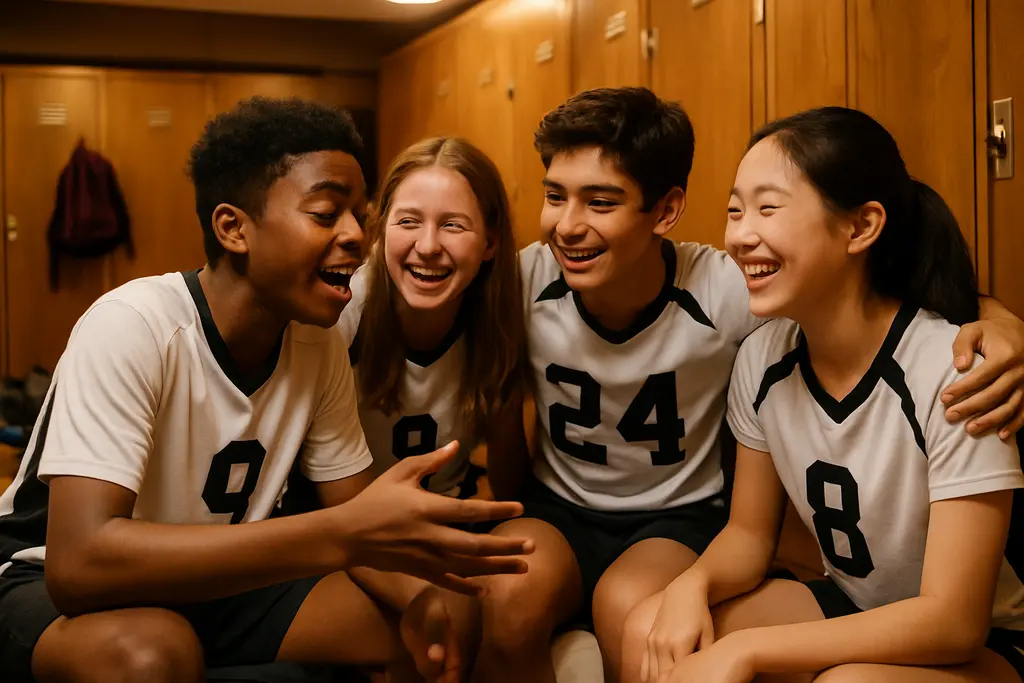
Teen sports mental health is a topic that deserves careful attention because the evidence is encouraging, but not simple. Recent research suggests that sports participation is often associated with better mental health indicators among adolescents, especially when participation is frequent, socially supportive, and sustained.
That does not mean sports should be treated as a stand-alone answer for depression, anxiety, stress, or distress. A team can offer structure, movement, belonging, and routine. It can also create pressure if the environment is harsh, exclusionary, or focused only on performance. The question is not whether every teen should play a sport. The better question is what conditions make sport more likely to support well-being.
Teen Sports Mental Health And Team Participation
What The Longitudinal Study Found
A 2026 longitudinal study of 2,766 U.S. adolescents and young adults, with a mean age of 22.3 years, found that frequent participation in sports teams during high school was associated with substantially lower depression and anxiety symptoms compared with never participating. The same study reported that 33% of the sample had frequent high school team sports participation, and that sustained participation in adolescence was linked with lower likelihood of depression in young adulthood, although that sustained effect was statistically significant only for young adult males according to the PubMed record.
For teen sports mental health, that distinction matters. The finding is not a promise that joining a team will prevent or resolve symptoms. It is an association observed in a large sample over time. It suggests that school-age team sports may be one setting where social connection, physical activity, identity, and routine can cluster in ways that are often favorable for mental well-being.
Why Association Is Not Proof
Research on sports participation is difficult to interpret because teens do not enter sports randomly. A young person who has access to transportation, safe facilities, supportive adults, and enough time after school may be more likely to participate. A teen who is already struggling socially, physically, financially, or emotionally may have fewer chances to join or stay involved.
That means sports participation may be part of the explanation, but it may also reflect broader support around the teen. Families, schools, clinicians, and coaches should be cautious about reading these findings as a prescription. The evidence can support better youth programs, but it should not be used to blame teens who do not play sports or who do not feel better because they joined a team.
How Sports Settings May Support Well-Being
How Teen Sports Mental Health May Be Helped
A 2026 systematic review updating the “Mental Health through Sport” model included 121 cross-sectional studies, 50 longitudinal studies, and 18 experimental studies, with adolescent samples mostly ages 13 to 17. It found consistent evidence that sports participation is associated with lower depressive and anxiety symptoms, improved self-esteem, life satisfaction, and quality of life. The review also reported that team sports tended to have stronger positive associations than individual sports in the systematic review.
Those findings point toward several plausible pathways. Team sports can place teens in regular contact with peers. They can create predictable weekly routines. They can give adolescents practice with shared goals, communication, role flexibility, and effort that is not limited to grades or social media feedback. For some teens, that structure may reduce isolation and strengthen a sense of belonging.
Social Support Beyond The Scoreboard
The social side of sport may be especially relevant. A teen who feels known by teammates and adults may have more chances to be noticed when mood, sleep, motivation, or behavior changes. That does not make coaches mental health professionals. It does suggest that sports settings can become useful points of connection when adults are trained to respond with care and referral rather than judgment.
Some families also draw support from values, reflection, faith communities, or quiet practices outside organized athletics. A related resource in the same network, Spiritual Endeavors, may be of interest for readers thinking about meaning, community, and personal reflection alongside general wellness. These supports should complement, not replace, appropriate mental health care when a teen is struggling.
Equity, Pressure, And Safe Participation

Access Is Part Of The Health Question
Any discussion of teen sports mental health should include access. The 2026 longitudinal study examined sports participation in relation to sex, race and ethnicity, and socioeconomic status. The research notes also indicate that females have often reported lower participation rates and higher depression and anxiety levels than males in several studies, including the 2026 team sports study.
That does not mean every girl, low-income teen, or teen from an underrepresented community has the same experience. It does mean that participation cannot be separated from cost, transportation, coaching quality, family schedules, physical safety, and whether a teen feels welcome. If sports are discussed as a public health asset, access must be part of the discussion.
When Sport Does Not Feel Supportive
A positive average association does not mean every sport environment is healthy for every teen. A young person may feel stress about playing time, injury, body image, peer conflict, or disappointing adults. A teen may also perform well while quietly struggling. That is why performance alone should not be treated as a mental health screen.
CPCWA has also discussed why athlete mental health monitoring should not wait until performance declines. That idea applies to adolescents as well as elite athletes. A teen can be scoring, starting, competing, and still need support.
Teen Sports Mental Health In Practice
Questions For Families And Schools
A teen sports mental health conversation should be practical and low-pressure. The goal is not to push every adolescent into athletics. The goal is to help families and schools think clearly about whether sport is adding connection, confidence, and routine, or whether it is adding strain without enough support.
- Does the teen feel safe and respected by coaches and teammates?
- Is participation realistic given sleep, schoolwork, transportation, and family responsibilities?
- Are adults watching for changes in mood, withdrawal, irritability, or loss of interest?
- Does the program have a clear process for injury concerns and mental health referrals?
- Can the teen step back, change roles, or ask for help without being shamed?
These questions do not diagnose a problem. They help adults notice whether the environment around a teen is supportive enough to make sports participation more likely to be beneficial.
What To Discuss With A Clinician
If a teen is experiencing persistent sadness, anxiety, panic symptoms, major sleep changes, self-harm thoughts, or any immediate safety concern, families should seek help from qualified healthcare or mental health professionals, or emergency services when safety is at risk. Sports participation should not be used as a substitute for evaluation.
Families may want to ask a clinician how physical activity fits with the teen’s current health, stress level, injuries, sleep, medications, and mental health history. They can also ask what warning signs should prompt follow-up, whether a sport schedule is contributing to overload, and how coaches can support the teen without receiving private medical details. Teen sports mental health is strongest as a shared conversation among the young person, family, school, coach, and clinician.