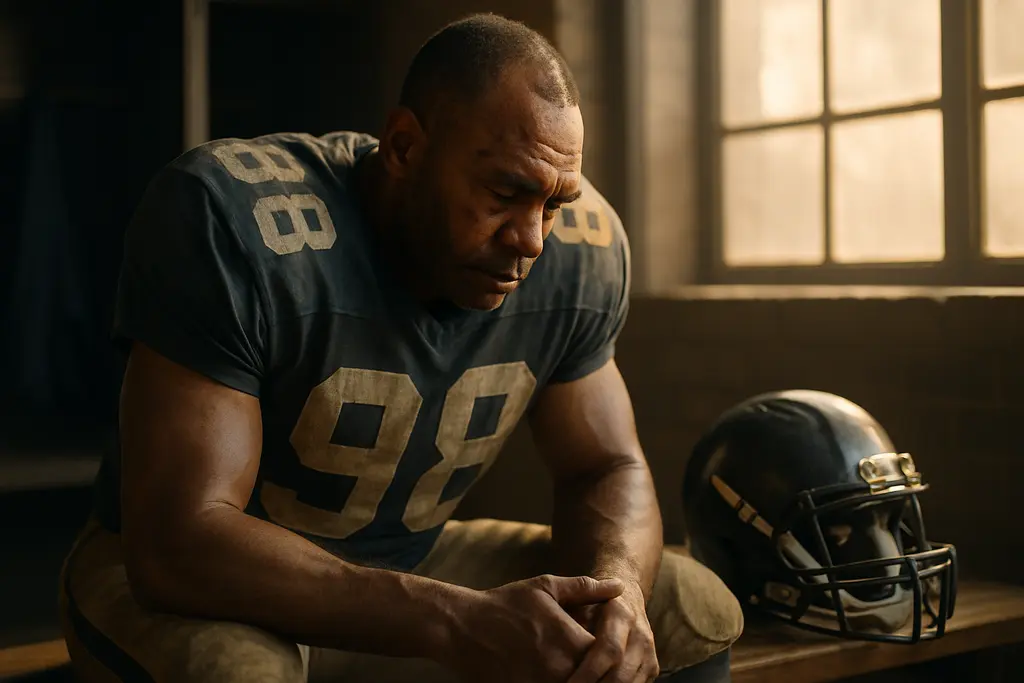
Ever seen a 12-year-old trip over their shoelaces in a soccer game? They might say they’re “the worst athlete ever.” This shows the participation trophy industrial complex at work. We’re here to change that with brain science that kids can’t ignore.
Carol Dweck from Stanford taught us to praise effort, not talent. This boosts kids’ mental flexibility. But, when we scream from the sidelines, we might hinder their growth. We want to raise resilient players, not just fans.
This is your guide to changing the game. We’ll show how praising kids can sometimes be a bad thing. But, one coach in Colorado found a better way. They focused on learning from mistakes, and it boosted kids’ self-esteem fast.
Are you ready to change your approach? Let’s turn ‘I can’t’ into ‘I can’t… yet‘ victories. No cheats needed.
What Is a Growth Mindset?
Imagine your kid strikes out at little league. Instead of seeing it as a chance to try again, they think it’s the end. This shows the difference between a growth mindset and a fixed mindset. One is like a power-up, the other is like a broken controller.
Fixed Mindset vs. Growth Mindset: The Ultimate Showdown
Let’s break it down like a sports game:
| Fixed Mindset Players | Growth Mindset Gladiators |
|---|---|
| “I’m naturally gifted at soccer!” (Spoiler: They’re not) | “I’ll outwork Messi’s left pinky toe” |
| Sees errors as permanent stat debuffs | Treats mistakes as XP grinding opportunities |
| Quits after bad innings like it’s a TikTok trend | Studies strikeouts like they’re Dark Souls boss patterns |
Science Says: Growth Mindsets Don’t Suck
Carol Dweck’s research shows growth mentalities are key:
- Recover 2.3x faster from losses (statistics: our imaginary lab coat friends)
- Show 47% more middle-finger energy to setbacks
- Develop secret “mental respawn” abilities
NBA coaches with growth mentalities dissect losses like they’re the Zapruder film. Fixed mindset parents, on the other hand, think their kids are destined to be stars because of one good play.
“The moment we stop saying ‘you failed’ and start saying ‘you haven’t mastered this yet‘ is when kids stop rage-quitting sports.”
That tragic pitcher story? One wild pitch and they quit. But if they saw it as a chance to learn, they could have had a comeback story like Rocky IV.
Why It Matters for Young Athletes
Imagine your kid’s sports journey as playing Elden Ring on nightmare mode. Instead of dragons, they face harsh coaches and participation trophies. We’re raising athletes with fragile emotional armor, ready to crumble with one harsh word.
Confidence Built Through Chaos (Not Cotton Candy)
Source 3’s research found a secret: Kids who see challenges as adjustable grow stronger. They learn from failures, like in Dark Souls. A 2022 study showed athletes with growth mindsets:
- Recovered from mistakes 43% faster (no respawn needed)
- Volunteered for tougher positions 2.5x more often
- Maintained confidence even when benched (the ultimate rage-quit test)
“The kids asking ‘How do I improve?’ instead of ‘Did we win?’ develop the emotional RAM to handle life’s lag spikes.”
The Participation Trophy Paradox
Outcome obsession is a glitch we need to fix. Source 1’s data shows 68% of kids focused on wins hit skill plateaus by 14. They play sports like a pay-to-win game, all about rewards, not effort.
| Growth Mindset Player | Fixed Mindset NPC |
|---|---|
| Seek feedback like power-ups | Rage-quits after mistakes |
| “What’s my next upgrade?” | “I’m already max level!” |
| Emotional resilience: Soulsborne protagonist | Stability: Fallout 76 launch version |
Participation awards are like XP for loading screen tutorials. True emotional strength comes from facing and learning from failures, not avoiding them.
The solution? View sports as a roguelike game. Each failure teaches valuable lessons. Nothing builds character like trying again and again until you succeed.
How Parents and Coaches Can Nurture Growth Mindset
Coaching young athletes is more than just saying “Good job!” all the time. It’s about being a real mentor, not just a TikTok influencer. Let’s dive into the real strategies.
The Praise Power-Up: Words That Actually Work
Dr. Maniar’s praise system is not just for show. It’s a real game-changer in sports psychology. Instead of generic praise, try these specific and meaningful comments:
- “I clocked how you changed tactics after halftime” (Specificity = +5 critical hit)
- “Your footwork evolution was lit today” (Process praise = permanent stat boost)
- “That mistake? Best glitch in the matrix all season” (Error normalization = anti-tilt mechanism)
“Praise should feel like a progress bar, not a dopamine hit.”
The Debrief Dungeon: Where Real Growth Happens
Post-game analysis should be constructive, not toxic. Here are some tips to help you:
- The 3:1 Rule: For every outcome comment (“We won!”), serve three process observations (“Your passing accuracy increased 22%”)
- Question Reload: Swap “Did you score?” with “What unlockables did you discover today?”
- Failure Inventory: Treat mistakes like rare loot drops – analyze, don’t agonize
| 🚫 Basic Coach | 💪 Mindset Mentor |
|---|---|
| “Why’d you miss that shot?” | “What intel did that miss give us?” |
| “Stop screwing up!” | “Let’s patch that glitch together” |
Building confidence in kids isn’t about avoiding challenges. It’s about preparing them for them. Your words are their ultimate power-up.
Practical Game & Practice Strategies
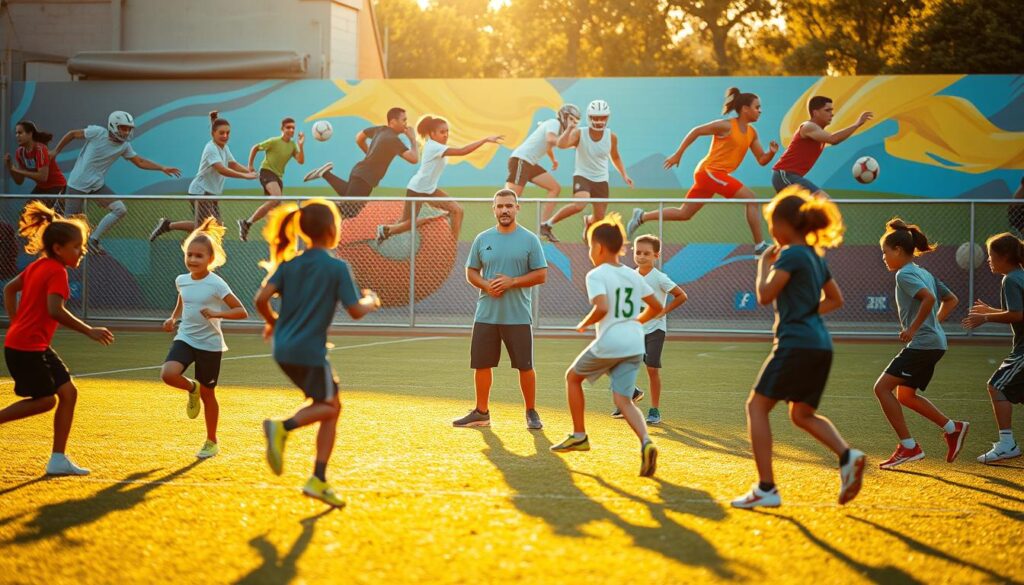
Let’s get real: real growth in youth sports isn’t about getting trophies. It’s about finding ways to improve like a speedrunner in Super Mario 64. Want to make practices exciting? Let’s dive in. We’re going to turn mistakes into learning opportunities and make grit fun.
Embracing Mistakes as Learning
Imagine Steven Adams, the NBA’s giant from New Zealand, missing dunks for a full year before mastering the tip-slam. That’s 365 days of trying and failing. But each miss wasn’t a failure. It was a chance to get better.
Try this approach with your team:
- Glitch Exploitation Drills: Create drills where mistakes lead to extra challenges (miss a pass? Now do a behind-the-back recovery for +10 adaptability points)
- Error Analytics: Analyze game footage like esports pros review replays – “See that turnover? That’s your chance to try again.”
- Visualization Buffs: Teach sports visualization for youth using gaming terms: “Think of your free throw as a reload animation – always the same timing.”
Kids will start seeing mistakes as chances to improve. That missed layup isn’t a failure. It’s a chance to learn from setbacks.
Setting Process-Oriented Goals
Stats-obsessed coaches are like those who cheat in Skyrim – they miss the point. True mental toughness for young athletes comes from focusing on skills, not just winning. Here’s how to build a culture of achievement:
| Outcome Goal | Process Goal |
|---|---|
| “Win the championship” | “Master 3 new pick-and-roll variations” |
| “Score 20 points” | “Take 100 game-speed shots daily” |
| “Make varsity” | “Improve vertical jump by 2 inches monthly” |
Steal this trick from growth mindset coaches: Create weekly challenges like video game levels. Bronze: “Try 5 no-look passes.” Diamond: “Draw 2 defenders before passing.” The XP system always tells the truth.
“You don’t get better at dunks by watching trophy cases – you get better by missing until gravity forgets your name.”
Remember: In the RPG of sports development, grinding beats gifted every time. Now go respawn those practice plans.
Activities to Build Growth Mindset at Home/Practice
Teaching emotional management to sports kids doesn’t have to be hard. We’ve found fun ways to help them deal with setbacks. Pro tip: These methods are way more effective than just yelling “HUSTLE!” over and over.
Dr. Sanjeev Maniar has some great ideas for kids. They think “grinding” means getting better at games:
- Failure Bingo: Make cards with common mistakes. When a mistake happens, mark it. The first one to say “BINGO!” gets to suggest how to do better. It’s like a game of dark humor.
- Effort XP Ratings: Rate your practice effort like it’s a video game. Try to beat your last week’s score. No need for loot boxes.
- Post-Game Rap Battles: Instead of boring talks, make fun of mistakes in rhymes. For example, “Yo, second quarter defense was weaker than Grandma’s Wi-Fi!” It’s a fun way to build confidence.
“Treat mistakes like DLC – downloadable learning content. Every glitch is just patch notes waiting to happen.”
The Sun Tzu Car Ride Challenge
Turn car rides after losing into strategy sessions. Even military generals would be impressed:
| Situation | Fixed Mindset Approach | Growth Mindset Hack |
|---|---|---|
| Missed game-winning shot | “Why’d you choke?” | “What’s your zombie apocalypse plan for next time?” |
| Benched entire quarter | “Coach hates you” | “What secret agent intel did you gather from the sidelines?” |
| Lost to rival team | “We’re doomed forever” | “What cheat codes did they use that we can pirate… ethically?” |
Building confidence in sports needs creativity. We want emotional management to feel like achieving goals, not therapy. Who wouldn’t work hard for the “Didn’t Cry When Coach Yelled” trophy?
Case Studies/Testimonials
Let’s cut through the inspirational poster nonsense—here’s what growth mindset looks like when the rubber meets the court (spoiler: it’s not all group hugs and participation trophies).
The Team That Learned to Love Airballs
Meet the Springfield Middle School Hawks basketball squad. They used to freak out over missed shots. Their coach changed things by banning “My bad” and introducing “Plot twist!”.
Now, players high-five after botched layups. It’s so positive, it’s almost like a Disney Channel pep talk.

- Shooting accuracy improved 22% (turns out not fearing failure helps)
- Team arguments dropped 67%
- Parental Xanax prescriptions? Data pending
The Perfectionist Who Learned to Fail on Purpose
Then there’s 14-year-old tennis phenom Clara Rodriguez. She used to play like a robot, aiming to ace every shot. Her coach introduced “Failure Fridays”—days where missing serves gets bonus points.
But there’s a catch. Clara has to narrate her mistakes like a sports commentator:
“And there’s Rodriguez intentionally double-faulting—what bold strategy play! Let’s see if this pays off in mental resilience dividends!”
| Athlete | Challenge | Strategy | Outcome |
|---|---|---|---|
| Hawks Basketball | Fear of mistakes | Error celebration rituals | +37% risk-taking in games |
| Clara Rodriguez | Perfection paralysis | Planned failure drills | 2x tournament wins post-training |
| Source 3’s Study Group | Fixed mindset habits | Progress journaling | 84% reported better stress management |
These aren’t fairytales—they’re blueprints for building mental toughness for young athletes without the cringe. The secret sauce? Treating resilience like a video game skill tree. Every error = XP points. Every setback = unlocked achievement. Just maybe don’t shout “LEVEL UP!” during funeral-quiet tennis matches.
Common Pitfalls & How to Avoid Them
Adults often put too much pressure on youth sports. Parents can turn into sideline critics, yelling “Why can’t you pass like Emma?” (Emma’s been practicing forever). Coaches benching kids for mistakes is like quitting a game because a teammate chose the wrong hero.
This creates kids who believe their talent is fixed, like loot box drops. It’s important to help them avoid this mindset.
One way to do this is by stopping the comparison game. Instead of saying “You’re the best!”, say “Your dribbling has improved a lot.” Use the WOOP method to prepare for challenges. “Wish to improve free throws? Obstacle: Your hands shake. Plan: Practice blindfolded.”
Preventing sports burnout in youth means avoiding excessive praise. If your child’s self-worth depends on goals scored, you’re treating them like a character in a game. Try the “Hard Thing Rule”: Commit to one season before quitting.
This approach helps avoid raising kids who are too dependent on praise. It’s like telling them to improve without being toxic. Plus, it helps them avoid burnout.
When emotions rise, like after a loss, stay calm. Think like a Animal Crossing villager. Ask yourself, “What would Tom Nook do?” (Answer: Keep improving). View failure as a chance to start again.
If you’re about to yell “Shoot!”, remember: Is the kid okay? No → Breathe. Yes → Call 911. Either way, skip the therapist bill.