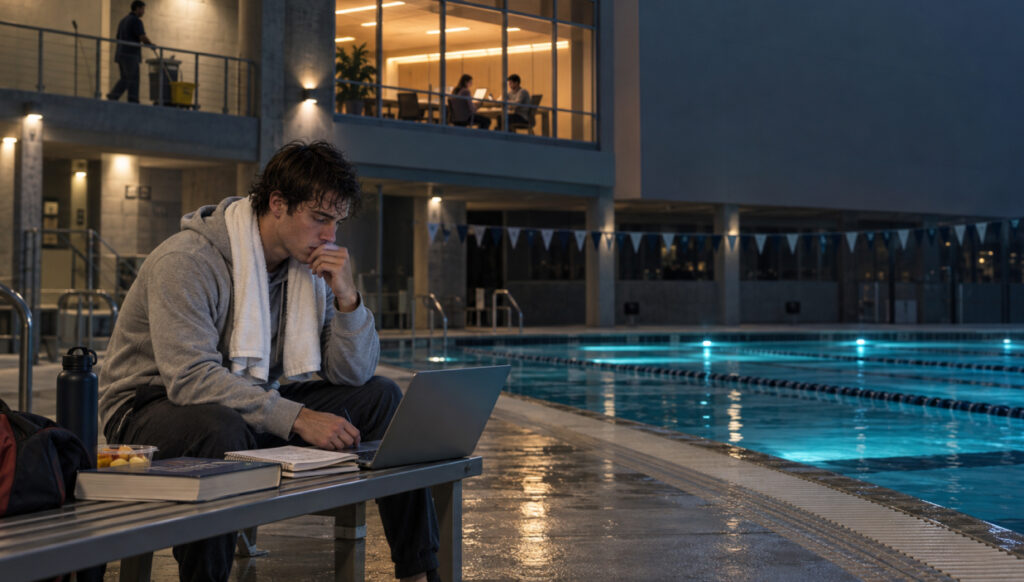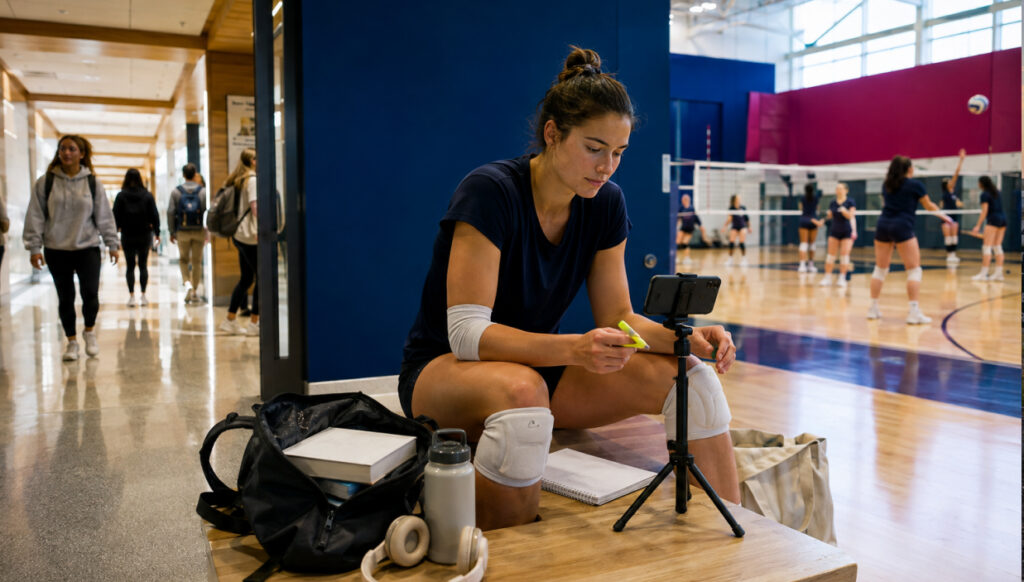
A college athlete can finish morning training, hurry to class, study for an exam, meet with an athletic trainer, return for team activities—and still have another job waiting on their phone.
Record a video.
Answer comments.
Send content to a sponsor.
Check whether a post performed well.
Negotiate an opportunity.
Maintain a public image.
Compare deals with teammates.
Make sure an agreement complies with current name, image and likeness rules.
For some college athletes, NIL has added a third identity to an already demanding combination: student, athlete, and influencer or brand representative.
That does not make NIL inherently harmful. The ability to earn money from one’s name, image and likeness can provide financial opportunities, professional experience, autonomy and motivation that previous generations of NCAA athletes did not have.
But new research published online on August 29, 2026 suggests that these opportunities can also create psychological demands worth recognizing.
Researchers Sarah Xuan Guo, Rose Chepyator-Thomson, Shelby N. Glasgow, James J. Zhang and Yi Zhang conducted semi-structured interviews with 14 Division I athletes—six men and eight women, with an average age of 22—about NIL and psychological well-being. The participants represented sports including basketball, diving, swimming, cheerleading, cross country, track, volleyball, football and golf.
Published in INQUIRY: The Journal of Health Care Organization, Provision, and Financing, the study describes what the researchers call a “triple identity”: student, athlete and influencer. NIL was associated with both motivation and psychological strain, with social-media demands, unequal access to opportunities and inconsistent institutional support emerging as important themes. The new NIL and athlete well-being study provides the complete research findings.
The study is small and qualitative. It does not establish how common these experiences are across NCAA sports, and its findings should not be generalized to every college athlete.
But it identifies a useful question for modern college sports:
What happens when being a student-athlete also means managing a public-facing business identity?
NIL Can Be An Opportunity And A Stressor At The Same Time
Discussions about NIL sometimes fall into two extremes.
One says athletes are finally receiving opportunities they deserve.
The other says money and commercialization are damaging college sports.
Psychological well-being does not require choosing between those positions.
Something can be valuable and demanding simultaneously.
An athlete might appreciate earning money from a sponsorship while finding the required content stressful.
They might enjoy developing a personal brand while becoming increasingly preoccupied with engagement statistics.
They might gain valuable business experience while feeling uncomfortable comparing their opportunities with teammates’.
They might appreciate visibility while disliking the expectation that they remain visible constantly.
The August 2026 study reflects this complexity. Researchers found that NIL could serve as a source of motivation while also creating psychological strain.
That is more useful than assuming the opportunity itself is either good or bad for mental health.
The practical issue is how the opportunity interacts with the athlete’s workload, identity, relationships, resources and support.
The Student Identity Already Has Demands
Before adding NIL, consider what the word student-athlete already contains.
There is the student.
Classes.
Assignments.
Exams.
Group projects.
Academic advising.
Choosing a major.
Maintaining eligibility.
Planning a career.
Then there is the athlete.
Training.
Competition.
Travel.
Strength and conditioning.
Film sessions.
Rehabilitation.
Team meetings.
Recovery.
Nutrition.
Media responsibilities.
Relationships with coaches and teammates.
The NCAA describes academic support, health and wellness, elite competition, career preparation, travel and NIL as different components of today’s student-athlete experience. NCAA student-athlete resources show just how many developmental areas can coexist during a college career.
For many athletes, those responsibilities already require careful time management.
NIL can add another layer.
The Influencer Identity Has Its Own Workload
“Influencer” can sound like someone simply posts photographs and gets paid.
The reality can involve much more.
A commercial social-media presence may require deciding what to publish, creating content, communicating with businesses, maintaining an audience, reviewing agreements, keeping financial records and responding to public reactions.
Current NCAA NIL guidance also creates administrative responsibilities.
For example, Division I athletes must report certain third-party NIL deals. The NCAA states that reportable third-party deals worth $600 or more generally must be entered through NIL Go, the College Sports Commission’s compliance platform, under applicable reporting requirements. The NCAA also advises athletes to understand campus policies and relevant state law and to keep accurate records because NIL income is generally taxable.
Those responsibilities are not necessarily unreasonable.
They are still responsibilities.
For an athlete already moving between classrooms, practices and competition, even small additional tasks consume time and attention.
Social Media Can Turn Identity Into A Performance
Sport already involves evaluation.
Statistics are recorded.
Times are measured.
Film is reviewed.
Coaches evaluate performance.
Fans react.
Rankings change.
Social media can introduce another scoreboard.
Followers.
Views.
Comments.
Shares.
Engagement.
An athlete may therefore experience two very different kinds of performance simultaneously.
How did I perform in competition?
And:
How did I perform online?
The August 2026 NIL study specifically identified social-media demands as one of the factors mediating NIL-related psychological strain. The researchers argue that the influencer role introduces audience management and impression management into the athlete’s identity.
That can matter because the online audience does not disappear when practice ends.
The Phone Can Make Work Feel Continuous
Traditional boundaries in sport are already imperfect.
Athletes think about competition outside practice.
Students study outside classrooms.
But social media creates the possibility of continuous public exposure.
A post can receive comments at midnight.
A sponsor request can arrive during study time.
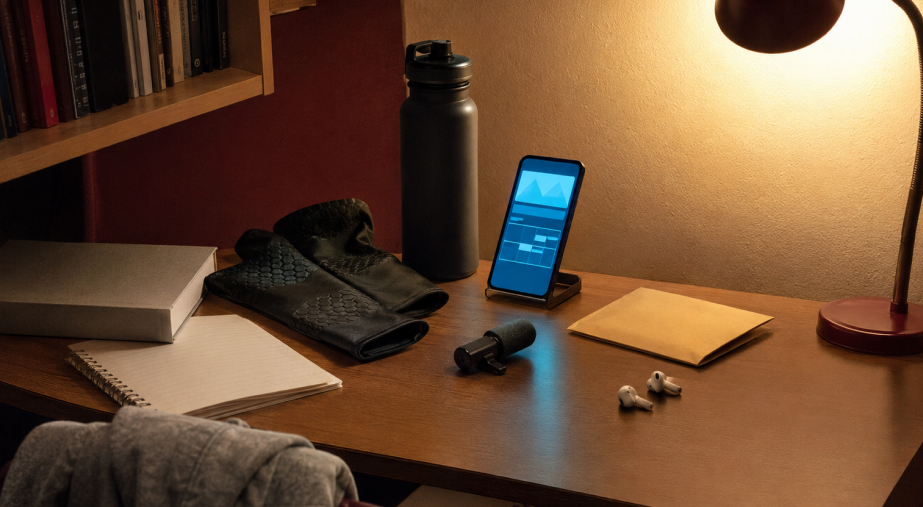
A bad performance can continue generating reactions long after an athlete leaves the stadium.
A promotional obligation can appear during a recovery day.
The athlete may physically leave practice without psychologically leaving sport, school, business or public evaluation.
That does not mean athletes should stop using social media.
It means digital work deserves to be counted as work.
The NCAA’s Spring 2026 social-media and well-being guidance reported that about 20% of student-athletes said social-media engagement makes it difficult to sleep at night, while nearly 30% of female student-athletes said social media frequently makes them feel worse about their bodies. The NCAA recommends strategies including filtering negative words, limiting comments, blocking harmful accounts, setting boundaries around sharing and taking regular social-media breaks.
Those statistics describe student-athletes broadly rather than NIL participants specifically.
But they demonstrate why adding commercial incentives to online visibility deserves thoughtful attention.
More Visibility Can Mean More Exposure To Harassment
Visibility has another cost.
People can respond.
Sometimes aggressively.
The NCAA reported in February 2026 that its 2025 Growth, Opportunities, Aspirations and Learning of Students study included responses from more than 20,000 student-athletes across all three NCAA divisions.
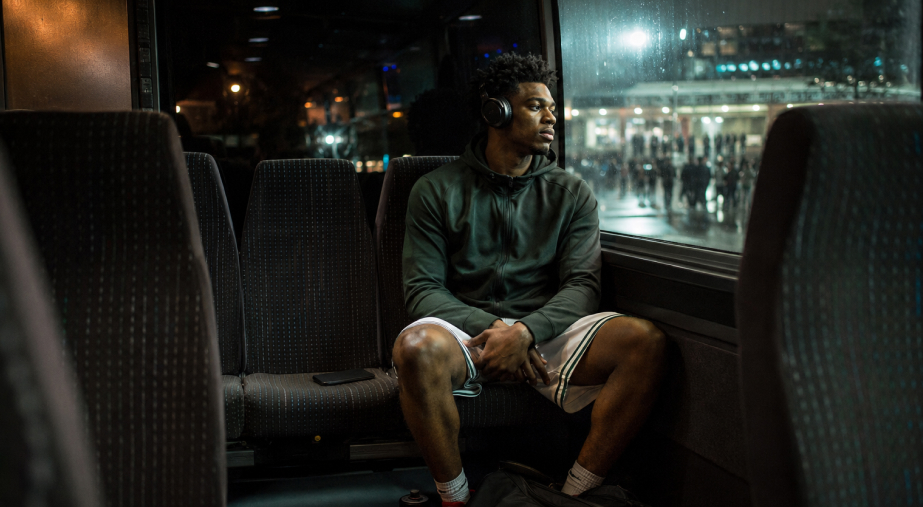
Among Division I men’s basketball players, 51% reported receiving social-media abuse related to athletic performance. Another 46% reported negative or threatening messages from someone who had bet on their game.
Those findings are not evidence that NIL causes harassment.
They show that college athletes already operate in an online environment where public exposure can have psychological consequences.
For athletes whose commercial opportunities depend partly on maintaining an audience, simply “getting off social media” may not always feel straightforward.
The platform can simultaneously be a source of opportunity and a source of pressure.
Comparing NIL Deals Can Change Team Dynamics
Money introduces comparison.
Who received a deal?
How much?
Why them?
Why not me?
Does follower count matter more than performance?
Does position matter?
Does appearance matter?
Does gender matter?
Does the sport matter?
Does the university matter?
The August study identified unequal access to NIL opportunities as one of the factors associated with psychological strain in participants.
That deserves careful interpretation.
The research does not show that unequal NIL opportunities necessarily create mental-health disorders.
But perceived inequality can become another form of comparison inside environments where athletes are already comparing playing time, scholarships, performance and status.
A teammate’s success can be genuinely celebrated while still prompting private questions about one’s own value.
Those reactions do not make someone selfish.
They make comparison psychologically complicated.
An Athlete’s Market Value Is Not Their Human Value
NIL creates a marketplace around attributes connected to an athlete’s public identity.
Markets rank things.
People do too.
The danger appears when commercial feedback becomes personal feedback.
A company choosing another athlete does not establish that the other person is more talented, more deserving or more valuable.
Having fewer followers does not make someone less important to their team.
Receiving fewer sponsorship opportunities does not measure character.
A campaign ending does not mean an athlete’s identity has failed.
These distinctions may sound obvious from the outside.
They can become harder to maintain when metrics are constantly visible.
Sport already gives athletes numerical representations of performance.
Social media gives them numerical representations of attention.
NIL can attach financial value to that attention.
Maintaining psychological separation between those metrics and personal worth becomes increasingly important.
Not Every Athlete Wants To Become A Personal Brand
One subtle pressure in modern college sports is the assumption that opportunity must always be maximized.
If NIL exists, why wouldn’t an athlete build a brand?
If brands want content, why not post more?
If followers create opportunities, why not pursue followers?
Because people differ.
One athlete may love entrepreneurship.
Another may want only occasional sponsorships.
Someone else may have no interest in turning private life into public content.
An athlete can be ambitious about sport without wanting to become an influencer.
They can value financial opportunities without wanting constant visibility.
They can decline an opportunity because the time requirement is not worth the return.
A healthy NIL environment should leave room for those differences.
Role Overload Is Not A Character Flaw
The concept of role overload is particularly useful here.
It describes situations where the demands attached to someone’s roles exceed the time or resources available to meet them comfortably.
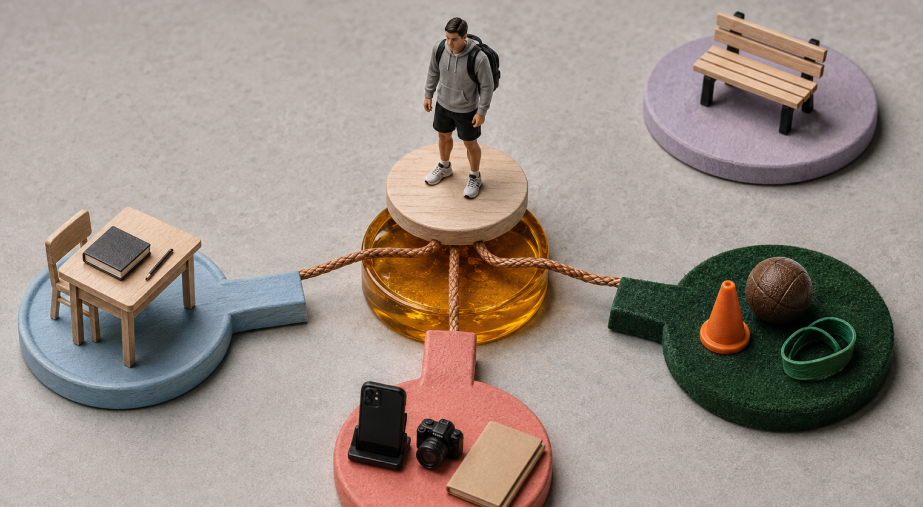
For a student-athlete, the roles can multiply quickly.
Student.
Athlete.
Teammate.
Roommate.
Friend.
Partner.
Family member.
Employee or entrepreneur.
Brand ambassador.
Content creator.
Public figure.
Community representative.
None of those roles is inherently harmful.
The difficulty comes when several demand attention simultaneously.
An athlete who struggles to manage everything is not necessarily disorganized or insufficiently resilient.
There may simply be too much to manage.
More Efficient Time Management Cannot Create More Hours
College athletes frequently receive advice about organization.
Use a calendar.
Create routines.
Batch content.
Schedule posts.
Plan study time.
Protect sleep.
Prepare meals.
These strategies can be useful.
But productivity advice has a limit.
A calendar cannot create a 25th hour.
Sometimes the appropriate response to overload is not performing every role more efficiently.
It is reducing demands.
That might mean declining an NIL opportunity.
Posting less frequently.
Delegating business administration where appropriate and financially realistic.
Protecting periods when commercial communication is off.
Choosing fewer partnerships.
Separating study time from content creation.
Asking for help understanding contracts or compliance obligations.
The best solution depends on the individual athlete and the rules governing their situation.
Institutions Should Not Treat NIL Education As Only A Compliance Problem
The new study makes an especially useful recommendation for universities.
The researchers argue that athletic departments should integrate mental-health literacy into NIL orientation, helping athletes recognize stress responses and seek appropriate support before distress becomes more serious.
That would expand the definition of NIL preparation.
Athletes clearly need information about compliance.
They may need financial education.
They may need guidance on contracts, taxes, marketing and brand relationships.
But if NIL participation can also involve social-media pressure, comparison, role overload and identity strain, then education should acknowledge those experiences too.
The NCAA’s current Mental Health Best Practices already recognize NIL and social media as factors institutions should consider when creating environments that support student-athlete well-being. NCAA schools are required to make mental-health services and resources available consistent with those best practices. NCAA Mental Health Best Practices also emphasize referral pathways to qualified providers and licensed professionals for formal mental-health evaluation and treatment.
That creates an important boundary:
An NIL staff member can help with NIL.
A coach can support an athlete.
A teammate can listen.
But formal assessment and treatment of mental-health conditions belong with qualified licensed professionals.
Asking About NIL May Belong In Mental-Health Conversations
The August 2026 researchers make another practical recommendation.
Sports psychologists and counselors working with college athletes should consider NIL-related stressors as a distinct contemporary source of identity strain, role overload and social-media anxiety. They suggest that clinical assessment can include questions about NIL participation, social-media management burden and perceived inequalities between teammates.
That does not mean NIL should be blamed whenever an athlete experiences anxiety or burnout.
Mental health is more complicated than that.
It means clinicians may need to understand the athlete’s actual environment.
For today’s Division I athlete, asking only about training, academics and relationships may leave out an increasingly important part of daily life.
Families May Need To Update Their Questions Too
Parents and families often ask athletes familiar questions.
How is school?
How is practice?
Are you playing?
How is the injury?
NIL creates another useful area for conversation.
Not:
How much money are you making?
But:
How much time is this taking?
Do you still enjoy doing it?
Do you feel pressure to stay online?
Are you comfortable with what sponsors expect from you?
Do you have people helping you understand the business side?
Does it ever feel like too much?
Those questions focus on workload and well-being rather than commercial success.
They also give athletes permission to say that a valuable opportunity is becoming difficult.
Coaches Should Be Careful About Commercial Comparisons
Coaches can help establish culture even when they are not directly managing athletes’ NIL arrangements.
Team environments can avoid treating NIL earnings as another unofficial ranking system.
A highly compensated athlete should not automatically receive greater social status within the team.
An athlete without deals should not be portrayed as someone who failed to capitalize on an opportunity.
And athletes should not feel pressured to create public personas that do not fit them.
This becomes especially important when commercial visibility and athletic performance begin influencing one another socially, even when they are formally separate.
Teams function best when an athlete’s role as a teammate remains larger than their follower count.
International Athletes Can Face Different Circumstances
The August 2026 study also contains an important limitation.
The authors note that international athletes excluded from NIL participation under the regulatory circumstances represented in their sample were not included, and those athletes may have meaningfully different experiences. Division II and Division III athletes and athletes with little or no NIL access were also absent.
That matters because “college athlete NIL experience” is not one experience.
Sport.
Gender.
School.
Visibility.
Immigration status.
Market size.
Athletic performance.
Social-media following.
Institutional resources.
All can change the situation.
A qualitative study of 14 Division I athletes can identify themes.
It cannot tell us how every athlete experiences NIL.
The Research Should Not Be Used To Diagnose Athletes
The study’s limitations deserve emphasis.
Researchers conducted detailed interviews with 14 Division I athletes, and data collection began in July 2022, during the relatively early period after NCAA NIL policy changed in 2021. The authors explicitly state that the small qualitative sample limits generalization and that NIL policies, markets and athlete responses continue to evolve.
The study therefore does not demonstrate that NIL causes anxiety, depression or burnout.
It does not show that athletes participating in NIL are psychologically worse off than athletes who do not.
And it cannot establish prevalence.
Its value is different.
It provides detailed evidence that some athletes experience NIL as part of a complicated identity transition involving commercial opportunity, social media, comparison, institutional support and additional role demands.
Those themes can guide better questions and future research.
A Third Identity Can Make Recovery More Complicated
Recovery is usually discussed in athletic terms.
Rest days.
Sleep.
Nutrition.
Training load.
Physical rehabilitation.
But psychological recovery also requires periods when demands decrease.
For an athlete managing three major identities, those periods may become harder to find.
Leave practice, and school remains.
Finish schoolwork, and content remains.
Post the content, and the audience remains.
Finish the sponsorship, and tomorrow’s training remains.
This does not mean every athlete needs to disconnect completely.
It means programs and athletes should recognize that attention itself is a limited resource.
A recovery period filled with notifications, public evaluation and commercial obligations may not function like a genuine break.
College Athletes Need Places Where They Are Not Performing
The most protective part of an athlete’s week may sometimes be an environment where nothing is being measured.
Not their grade.
Not their time.
Not their shooting percentage.
Not their body.
Not their follower count.
Not their engagement.
Not their earning potential.
Just a place where they can exist without converting the experience into performance.
For some athletes, that may come from family.
For others, close friendships, hobbies, faith communities, time outdoors, creative activities or ordinary relationships away from sport.
That does not replace professional mental-health care when someone needs it.
It protects something different: an identity broader than achievement.
That distinction also matters during injury, when athletes can suddenly lose access to one of the roles around which they have organized daily life. CPCWA’s discussion of coping with depression after a sports injury explores why emotional support can matter when sport participation and athletic identity are disrupted.
Success Should Not Require Maximizing Every Identity
The NIL era has created genuine possibilities for college athletes.
A student can learn entrepreneurship.
An athlete can build relationships with businesses.
A public platform can support causes that matter to them.
Income can reduce some financial pressures.
A personal brand may continue creating opportunities after competitive sport ends.
None of those benefits needs to be minimized to take psychological strain seriously.
The August 29, 2026 study offers a more useful framework: NIL can be both an opportunity and another demanding social identity. Its 14 Division I participants described a world in which academic responsibility, athletic performance and commercial visibility can intersect rather than remain separate.
That means resilience should not be defined as successfully maximizing all three roles at all times.
Sometimes resilience means noticing that one role is consuming too much capacity.
Sometimes it means declining an opportunity.
Sometimes it means asking for help.
Sometimes it means letting a post perform badly and going to sleep.
And sometimes it means remembering that student, athlete and influencer are all roles a person can occupy. None of them is the whole person.