Every child should get to enjoy sports. The CDC says kids aged 6 to 17 need 60 minutes of activity each day. Communities coming together can make this happen. They offer more than just gear; they give belonging, motivation, and happiness.
When kids see their community supporting them, they grow more confident. A positive sports scene is key. It boosts participation and keeps athletes from getting burned out or misbehaving. Community building is essential here, making sports a shared, valuable experience.
Building a strong support system helps athletes grow in character, discipline, and teamwork. It’s not just about winning. It’s about teaching them lessons that last a lifetime. For more on how support networks help athletes recover and perform better, check out this informative resource.
Building and Engaging with Networks
Building a strong community around athletes fosters growth and development. Networking is more than just exchanging contacts. It’s about making real connections that help everyone grow. For athletes, this means connecting with parents, coaches, volunteers, and sponsors who are all key to their journey.
Parents are often the unsung heroes in youth sports. They help by driving kids to games and cheering them on. Simple actions, like asking about practice or encouraging fair play, can make a big difference. When parents get involved, they show kids that effort and attitude are more important than winning.
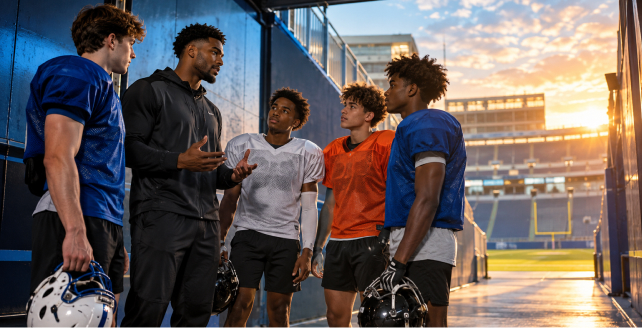
Volunteers are the heart of many sports organizations. Coaches, event organizers, and mentors give their time to enrich athletes’ experiences. Their work shapes the team’s culture. Every hour they spend coaching or organizing helps athletes develop skills, confidence, and a sense of belonging.
Financial support is also vital. Donors and sponsors help keep programs running and facilities maintained. Organizations like Athletes for Hope help athletes support causes they care about, using their platforms for good.
To build a strong support network, athletes should look for people who share their values. It’s important to connect with them genuinely. Whether it’s a parent, a local business owner, or a community leader, each person brings something special to the table. Keeping these relationships strong requires regular communication and showing appreciation, making sure everyone feels valued and involved.
In summary, a strong support network is key for athletes to succeed. From daily encouragement from parents to the dedication of volunteers and the generosity of sponsors, every role is important. Together, they create an environment where athletes can thrive.
Leveraging Social Media and Technology
In today’s world, athletes have access to tools that help them build strong support networks. Social media like Instagram, X (formerly Twitter), and LinkedIn are great for sharing their stories. They can connect with others and engage with their communities.
Athletes for Hope is key in this effort. They share inspiring athlete stories and highlight their impacts. They say, “Every athlete has a journey, and your story can inspire the next.” Athletes can share their experiences and join a community of changemakers.
The Athlete Leadership Council launched in 2024 is a great example. Gold medalists like Stephen Curry and Katie Ledecky lead it. They encourage athletes to lead with purpose and give back to their communities. This shows how athletes can use their platforms for good.
Here are some ways athletes can use social media well:
- Share Authentic Stories: Be open about your journey, including both triumphs and challenges.
- Celebrate Milestones: Acknowledge achievements, big or small, to inspire others.
- Connect with Mentors: Use platforms to reach out to experienced athletes for guidance.
- Engage Supporters: Foster real-time interactions with fans and fellow athletes.
By using these strategies, athletes can avoid comparison culture. They can focus on building a supportive environment. Technology helps bridge gaps, creating global networks of support.
| Social Media Platform | Benefits | Best Practices |
|---|---|---|
| Visual storytelling, broad reach | Post regularly, use hashtags | |
| X (Twitter) | Real-time engagement, updates | Interact with followers, share news |
| Professional networking, mentorship | Connect with industry leaders, share achievements |
By using social media and technology wisely, athletes can turn their solo journeys into shared missions. For more on mental health and support for athletes, see this resource.

Stories of Athletes Who Thrived with Support
In the world of sports, many athletes have achieved greatness thanks to peer support and community networks. Their stories show how important it is to have a support system. This system should encourage growth and resilience.
Stephen Curry is a great example. His success with the Golden State Warriors is well-known. But he also leads the Eat. Learn. Play. Foundation for underrepresented youth. His brand, UNDERRATED, focuses on equity and access, showing how athletes can uplift their communities.
Katie Ledecky is another inspiring athlete. She’s a ten-time Olympic gold medalist in swimming. She also fights for education and gender equality. In 2022, she got the Athletes for Hope Community Hero Award, showing her dedication to making a difference.
Nathan Chen is a three-time Olympic medalist in figure skating. He advocates for the environment and wrote a children’s book, Wei Skates On. Chen’s work promotes diversity and inclusion, inspiring the next generation.
Elena Delle Donne raises awareness for Lyme Disease and supports the Special Olympics. Her work shows athletes can make a big impact beyond sports.
Gabby Thomas is a five-time Olympic medalist who supports healthcare accessibility. She volunteers at the Volunteer Healthcare Clinic in Austin, TX. Thomas’s efforts show athletes can advocate for equity and education.
Student-athlete Lucia Hidalgo shares her journey in elite tennis. She creates spaces for athletes to feel supported and empowered. Her leadership inspires young athletes striving for success.
Behind every successful athlete is a network of mentors, family, coaches, and organizations. They provide encouragement and resources. As Chris Paul says, “Athletes for Hope helps me to be the person I want to be in my community.”
In conclusion, the power of peer support and community engagement is clear in these athletes’ stories. Their commitment to giving back strengthens their communities and creates a cycle of support for everyone.
How to Become a Support System for Peers
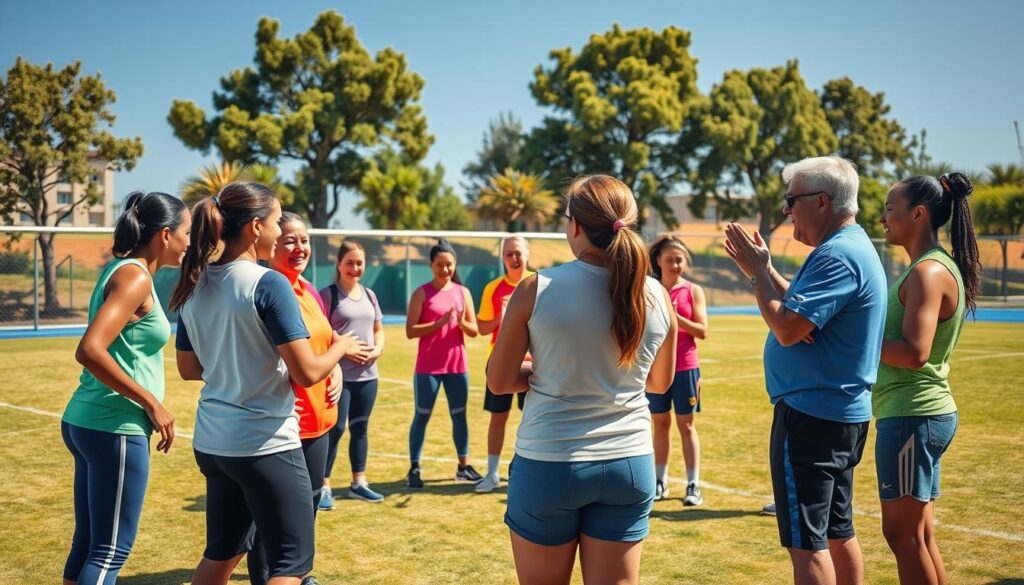
Building a supportive community is key for athletes. Being part of peer support helps everyone grow and strengthens the group. You can help in many ways.
Start by volunteering at events or practice. Sponsor an athlete or team to make a big difference. Donating to improve programs and facilities helps build the community.
Encourage kids to invite friends to join. Every small action helps build a stronger family. Make sure the sport environment is positive and safe.
Focus on respect and inclusion. Clear rules and codes of conduct are important. Trust in coach-athlete relationships is essential.
Involve athletes in making decisions. Their opinions shape team goals. Parents and guardians are also key. They should communicate about safety and expectations.
Programs like Athletes for Hope’s CHAMPS initiative are great. They mix movement and mental wellness, teaching character and leadership. By supporting each other, we can make our communities better. Learn more about support groups here. Together, we can build a strong and inclusive athletic community.