Lillian Romero

Why Injury Prediction Tools Can Mislead Runners

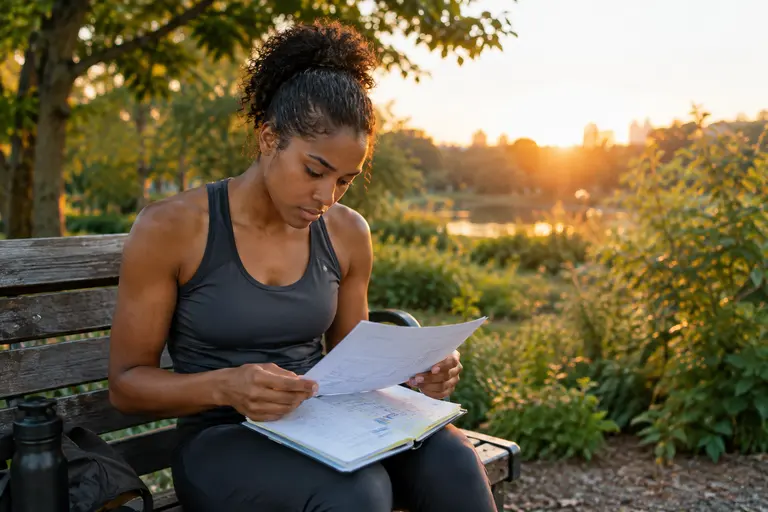
Runner reviewing injury prediction tools on a phone after training

Injury prediction tools sound appealing to runners because they promise an answer to a question that training rarely makes simple: am I moving toward fitness, or toward a setback? Recent research suggests the answer is less certain than many dashboards, scores, and risk labels may imply.

As a performance writer, I understand the attraction. Runners already track mileage, pace, sleep, soreness, mood, and workouts. A model that turns those signals into a warning could feel like a calmer way to train. Yet the evidence suggests that prediction is not the same as prevention. A tool may detect patterns in groups while still being unreliable for one person deciding whether tomorrow’s run is wise.

This matters because injury risk is not only a physical issue. It also shapes confidence, identity, and the emotional rhythm of training. A false sense of safety may encourage a runner to ignore discomfort. A false alarm may increase anxiety or make normal training sensations feel threatening. Neither response supports thoughtful performance.

Why Injury Prediction Tools Can Mislead

Prediction Looks Different In Clean Training Weeks

One recent prospective observational study followed 643 adult runners training for the 2022 New York City Marathon. The study reported that machine-learning models performed much better when they used all runner-week observations than when they were applied only to weeks when runners had no pain or prior injury. In the full runner-week analysis, the models reached an AUROC of about 87% and an AUPRC of about 52%. In the no-pain, no-prior-injury setting, performance fell to an AUROC of about 67% and an AUPRC of about 8% NYC Marathon runner study.

That difference is central. Runners often need guidance before symptoms appear, not after pain or recent injury has already raised concern. If a model performs best when it can use information that a runner is already hurting or recently injured, it may be less useful as an early warning system.

The same study also reported that 307 of the 643 runners, or 48%, had at least one injury requiring training modification during the 16-week training period. Yet 75% of the 9,002 runner-week observations were injury-free. Injury status often persisted from week to week. This means a model can look more accurate if it is partly identifying ongoing problems rather than detecting new risk before the runner feels anything.

Where Injury Prediction Tools Look Stronger

These injury prediction tools may perform better when the model has access to recent pain, prior injury status, or other signals that the runner is already drifting toward modified training. That does not make the research useless. It may help researchers understand which features are associated with injury reporting. It may also help coaches and clinicians ask better questions.

Still, the performance question should be practical. Can the tool distinguish between two runners who both feel fine, both want to train, and both have similar weekly routines? Based on the marathon study, that is where certainty appears to weaken.

For runners who are thinking about training load, a separate CPCWA article on safe mileage increases discusses why recent distance changes, recovery, and individual response deserve attention rather than relying on one number alone.

What Model Metrics Do Not Tell A Runner

AUC Can Sound More Certain Than It Feels

Terms such as AUROC, AUPRC, sensitivity, and specificity are useful for researchers, but they can be hard to translate into training decisions. AUROC describes how well a model separates higher-risk from lower-risk cases across thresholds. It does not automatically tell a runner whether a specific alert is trustworthy on a Tuesday morning before an easy run.

A systematic review and meta-analysis of machine-learning models for lower-extremity sports injuries, with searches up to December 15, 2025, reported pooled sensitivity of 0.69 and pooled specificity of 0.71. The authors also reported concerns about limited external validation, which affects how confidently models can be applied beyond the data used to build them sports injury prediction review.

Those pooled estimates suggest moderate classification ability, not a dependable personal forecast. If a model misses a meaningful share of injuries and also flags a meaningful share of non-injuries, the result may be confusing in daily training. A runner could receive a reassuring signal before trouble develops, or a worrying signal during a week that would have been uneventful.

Rare Outcomes Create Practical Problems

Running injuries that require training change are common over a season, but any single runner-week may still be injury-free. That imbalance affects prediction. When most observations are not injuries, a model can appear useful by correctly labeling many low-risk weeks. The harder task is identifying the smaller number of weeks that will actually lead to training modification.

This is why precision-recall style thinking matters. If positive injury predictions are uncommon or frequently wrong, the model may create more concern than clarity. A runner may begin adjusting workouts based on unstable signals, while another runner may feel safe because the model did not flag a risk that was building outside the measured features.

For broader health and wellness education, HealthScope is a great resource in the same network. It offers related material and any training-risk content, whether from a wearable, app, article, or coach, should be treated as educational rather than as a diagnosis. Visit HealthScope for more information.

How Runners Can Use Risk Scores Carefully
Runner stretching calmly beside a track after an easy session

Treat The Score As A Conversation Starter

A risk score may be most useful when it prompts reflection rather than obedience. If a runner sees a higher-risk label, the better response may be to ask what changed: Was mileage higher? Was sleep disrupted? Did soreness persist longer than usual? Did stress increase? Did the runner skip recovery that normally helps?

The same caution applies to a low-risk label. Feeling green-lit by an app does not mean the body has no limits. Models depend on the data they receive, and many meaningful factors may be missing, simplified, or self-reported. A runner’s context can change faster than a weekly survey or training file captures.

  • Use risk labels as prompts for awareness, not as proof of safety or danger.
  • Pay attention to symptoms, training changes, recovery, and emotional stress together.
  • Ask qualified professionals for personal guidance when pain, function, or training tolerance changes.

This cautious framing can reduce the emotional burden of monitoring. Runners do not need to treat every data point as a verdict. They can use patterns to support better questions while keeping room for judgment and professional input.

How Injury Prediction Tools Should Be Discussed

Injury prediction tools should be described as probabilistic and limited, not as certainty machines. The strongest wording the current evidence seems to support is that some models may identify associations with reported injury status in specific datasets. That is different from saying a tool can reliably tell an individual runner whether they will be injured next week.

Coaches, clinicians, and app designers can help by explaining what a model was trained on, what outcome it predicts, and whether it has been tested in people who resemble the runner using it. They can also clarify whether the model predicts any running-related pain, an injury requiring training modification, or a medically diagnosed condition. Those are not interchangeable outcomes.

The mental side deserves equal care. A runner who is already anxious about recurrence may interpret a risk alert as a threat. A runner who is highly goal-driven may ignore the alert because it conflicts with a race plan. Useful education should make space for both reactions without shaming either one.

Injury Prediction Tools For Runners

Injury prediction tools for runners may become more useful as studies improve, datasets become more diverse, and models are tested outside the groups that built them. For now, recent evidence supports caution. The gap between group-level prediction and individual training decisions remains meaningful, especially during weeks when a runner feels fine and wants early guidance.

The practical lesson is not to reject technology. It is to keep the tool in its place. A model can organize information, but it cannot feel your stride, examine your symptoms, understand your full health history, or weigh your personal risk tolerance. It also cannot replace a clinician’s assessment when pain, weakness, function, or training capacity changes.

Runners can ask a clinician, physical therapist, athletic trainer, or other qualified professional questions such as: What signs should prompt evaluation? How should I interpret pain that changes my stride? What training modifications are reasonable for my situation? Are there factors in my history that make generic risk scores less useful for me? Those conversations may support safer decisions than any single prediction score alone.

HHS EMF Request: What Public Input May Shape

HHS EMF request documents beside a phone and fitness wearable on a desk

The HHS EMF request is not a verdict on wireless technology, wearable devices, or everyday exposure. It is a federal request for information, which means the U.S. Department of Health and Human Services is asking the public, researchers, clinicians, and other stakeholders to submit evidence, observations, and comments that may help shape future research priorities.

For people who train, coach, work in schools, use wearable devices, or spend long hours around wireless equipment, the topic can feel personal. It can also stir anxiety because electromagnetic fields, radiofrequency radiation, and wireless exposure are technical subjects that often get discussed in absolute terms. A cautious reading is more useful. The request asks questions; it does not establish that a specific exposure level causes a specific health outcome.

What The HHS EMF Request Asked For

Why The HHS EMF Request Uses Public Input

HHS issued the request on September 17, 2026, under the title “HHS Seeks Public Input on Electromagnetic Fields and Wireless Radiation.” The agency described the effort as a way to gather input on electromagnetic fields, radiofrequency radiation, and wireless radiation exposure, including current and emerging technologies such as mobile phones, Wi-Fi, smart meters, wireless infrastructure, wearable devices, 5G and 6G networks, satellite communications, internet-connected devices, smart homes, smart cities, autonomous vehicles, and wireless medical devices HHS announcement.

The notice was published in the Federal Register as 91 FR 59792 on September 21, 2026. The public comment period opened on September 21, 2026 and is scheduled to close on October 21, 2026. The listing identifies the subject as a request for information on electromagnetic fields, radiofrequency radiation, and wireless radiation exposure Federal Register notice.

A request for information is different from a rule, warning, or clinical guideline. It gives an agency a structured way to ask what evidence exists, where gaps remain, and what questions may deserve closer review. That distinction matters because public discussion about EMF and RF exposure can quickly move from “what is known?” to “what should everyone do?” The evidence standard should stay clear.

What Types Of Evidence HHS Requested

The RFI asks contributors to explain the basis for what they submit. That may include peer-reviewed studies, clinical observations, datasets, or supporting documents and links. This is a useful filter. A personal experience can raise a question, but it is not the same as a controlled study. A measured exposure dataset can help describe conditions, but it does not automatically prove a health effect. A research paper may support a concern, but its design, population, exposure measurement, and limitations still matter.

The HHS EMF request also asks about exposure standards and risk assessments in the United States and internationally, methods for measuring exposure, public health surveillance systems, possible health experiences or clinical observations, and whether certain groups may need special consideration. The populations named in the research notes include children, pregnant women, older adults, people with medical implants, and people with occupational exposure.

Why This Matters For Training And Daily Routines

Wearables, Gyms, And Exposure Questions

Fitness culture has become closely tied to connected devices. Many people use watches, rings, heart-rate straps, earbuds, phones, tablets, and gym equipment that exchange data wirelessly. In performance settings, these tools may help people track sleep, effort, pace, heart rate, or recovery patterns. The RFI’s inclusion of wearable devices and wireless medical devices makes the issue relevant to people who rely on technology during training or daily health monitoring.

That does not mean a runner should panic about a watch or a gym should abandon connected equipment. The more grounded question is whether exposure can be described accurately, whether cumulative patterns can be measured, and whether current evidence is strong enough to answer public questions. The RFI appears designed to collect exactly that kind of input.

For athletes and exercisers, the mental side deserves attention too. Unclear risk discussions can create stress, especially for people already managing health concerns, pregnancy, implanted devices, or occupational exposures. A careful approach can reduce fear while still allowing reasonable questions. People should be able to ask for evidence without being dismissed, and they should be able to avoid alarmist claims that outrun the data.

Performance Culture Can Overvalue Certainty

Training communities often like clear rules: do this, avoid that, track this number, change this device. EMF and RF exposure questions rarely fit that simple pattern. The RFI asks about health experiences, standards, measurement, surveillance, and exposure below current federal limits. Those topics suggest that HHS is gathering a wide range of input, not issuing a simple yes-or-no answer.

For coaches, wellness writers, and athletes, the safer communication style is plain: evidence may be incomplete, exposure varies by setting and technology, and personal health questions should be discussed with qualified professionals. This keeps the conversation educational rather than fear-based.

How To Read The RFI Without Overstating It

Public Input Is Not Proof Of Harm

The HHS EMF request does not, by itself, prove that common wireless exposures are harmful. It also does not prove that every concern is unfounded. It shows that HHS is collecting information on a topic where people have questions about current and emerging technologies, measurement, cumulative exposure, and potential vulnerability.

That middle position can be uncomfortable. It asks readers to tolerate uncertainty. Evidence-based thinking often requires exactly that. A public comment process may gather conflicting claims, variable data quality, and different interpretations. HHS may use feedback to inform future research, policy, or guidance, but the RFI process does not mean every submission will be accepted as equally strong evidence.

Better Questions For Readers

Instead of asking whether EMF exposure is “safe” or “dangerous” in a broad way, more precise questions tend to be more useful:

  • What type of exposure is being discussed: mobile phone, Wi-Fi, smart meter, workplace source, wearable device, or medical device?
  • How was the exposure measured, and over what time period?
  • What health outcome is being claimed, and how was it assessed?
  • Does the evidence come from peer-reviewed research, surveillance data, clinical observation, or personal report?
  • Are specific populations involved, such as children, pregnant women, older adults, workers, or people with implants?

Those questions do not require a reader to become a physicist or clinician. They simply slow the conversation down. That matters because wellness topics can attract confident claims before the evidence is ready to support them.

Public Comments And Evidence Quality

Research notes, charts, and a keyboard prepared for a public comment

What A Useful Submission May Include

A useful public comment would likely be specific. For example, someone submitting a clinical observation would need to explain what was observed, why RF or EMF exposure is being considered, and what other explanations may exist. A researcher might submit exposure data, methods, study limitations, or recommendations for future measurement. A school, workplace, or community group might describe practical exposure questions and identify what kind of federal guidance would be helpful.

The RFI is voluntary, and responses are expected to become part of the public record through regulations.gov. That public nature matters for privacy. People considering a submission should avoid including sensitive personal details beyond what they are comfortable making public.

Where Caution Helps The Public Discussion

Good public health discussion does not require ignoring concerns. It requires separating questions from conclusions. The RFI asks for information about possible adverse health effects, exposure below current federal limits, cumulative exposure patterns, and populations that may be more vulnerable. Those are legitimate research and policy questions. They still need careful evidence review.

For readers who follow health and training content across different sites, it may help to compare how claims are framed. Diverse network partners provide valuable insights, and an example of such a resource is Up Offshore. It’s important to integrate these perspectives while ensuring health-related decisions are grounded in qualified sources and professional guidance, rather than relying solely on headlines.

What The HHS EMF Request Means For Health Conversations

The HHS EMF request may be most useful as a prompt for better public language. It gives people a reason to ask what evidence exists, what exposure categories are being discussed, and what research gaps remain. It also shows why uncertainty should not be filled with either dismissal or panic.

For active people, the practical lesson is not to fear every connected device. It is to think clearly about evidence, personal context, and communication. Someone using a wearable for training feedback may have different questions than someone with a medical implant, someone working around wireless infrastructure, or a parent asking about school environments. Needs and risks may vary by age, health status, pregnancy, medical devices, and occupational setting.

If the topic raises personal health concerns, bring specific questions to a qualified clinician. Ask whether your health history, pregnancy status, implanted device, workplace exposure, symptoms, or use of wireless medical technology changes what you should consider. If you plan to submit a public comment, ask how to describe your concern accurately without treating an observation as a diagnosis or proof of causation.

The HHS EMF request is a chance for more careful evidence gathering. The healthiest response is not certainty for its own sake. It is better questions, clearer documentation, and professional support when personal medical concerns are involved.

Finding the Right Mental Health Support for Athletes

Accessing Mental Health Services

In the United States, about 46.6 million people deal with mental health issues. This means 1 in 5 adults face these challenges. For athletes, the numbers are even more worrying.

Studies show that around 33% of college students struggle with depression, anxiety, or other mental health problems. Sadly, only 10% of college athletes who need help actually get it. This is compared to 30% of their non-athlete peers.

The pressure in competitive sports can lead to mental health crises. Up to 35% of elite athletes face serious mental health issues. This has led organizations like the American Academy of Pediatrics to call for a national emergency in youth mental health.

Suicide is the second leading cause of death for those aged 10 to 34. It’s clear that mental well-being is as important as physical health. The brain needs care just like the heart and lungs do.

Athletes need to know that asking for help is not weak. It’s a step towards building resilience and keeping up performance. For more information, visit this page.

Identifying Personal Needs and Goals

Understanding your personal needs and goals is key for athletes looking for mental health support. Athletes face unique pressures that can affect their mental health. These include performance anxiety, physical stress from intense training, and social pressures from strict diets and body expectations. These challenges can lead to serious issues like disordered eating and burnout.

Athletes often work long hours, sometimes up to 40 hours a week, on top of school or work. This busy schedule can make it hard to notice signs of mental health problems. Some signs include:

  • Loss of interest in sports
  • Declining performance
  • Sudden changes in behavior
  • Increased irritability
  • Frequent low moods
  • Negative self-talk
  • Difficulty concentrating
  • Avoiding social situations
  • Changes in sleeping or eating patterns

Research shows female athletes are more than twice as likely as male athletes to feel overwhelmed. Recognizing the need for support is a sign of strength, not failure. Taking the first step by self-assessing is important.

It’s vital for athletes to think about their personal goals for seeking support. Whether it’s managing performance anxiety, coping with a career change, or seeking a more balanced life, knowing your needs is essential. Remember, your worth is not just about your athletic success.

By acknowledging your challenges and goals, you start building a self-care plan tailored to you. For more information on mental health support for athletes, check out this resource.

A serene and focused scene illustrating "athlete resources" for mental health support. In the foreground, a diverse group of athletes—dressed in professional athletic wear and modest casual clothing—sit in a circle, engaged in an open discussion. Their expressions should convey a sense of introspection and determination. In the middle ground, a large whiteboard filled with notes and diagrams representing personal goals and mental health strategies stands prominently, with various resources like pamphlets and books scattered around. The background features a softly lit room with motivational posters and plants, creating a calming atmosphere. Natural light streams in from large windows, casting a warm glow, enhancing a supportive and encouraging mood. Use a wide-angle lens to capture the entire setting harmoniously.

Types of Mental Health Professionals

It’s key for athletes to know about mental health professionals. Each expert has their own skills and knowledge. This section will explain their roles and how they help athletes.

Psychiatrists are medical doctors who diagnose and prescribe. They work with therapists to make a treatment plan.

Psychologists focus on talk therapy. They help athletes find coping strategies and understand their mental health.

Licensed counselors and clinical social workers offer counseling. They use various techniques and know about trauma care.

Athletic trainers and school counselors are the first to notice mental health issues. They help athletes get the right help.

It’s important to find professionals who understand cultural differences. They know the unique challenges faced by minority athletes.

For urgent help, the 988 Suicide & Crisis Lifeline and AFH Wellbeing Center are there. They offer critical support when needed.

Type of Professional Role Key Competencies
Psychiatrist Diagnoses conditions, prescribes medication Medical training, medication management
Psychologist Provides talk therapy and assessments Therapeutic techniques, coping strategies
Licensed Counselor Offers counseling services Trauma-informed care, emotional support
Athletic Trainer Initial contact for mental health concerns Knowledge of sports environment, referrals

Tips for Finding the Right Therapist or Counselor

Finding the right therapist or counselor can be tough, even for athletes. It’s important to know what you need. Athletes often feel they can’t ask for help because of sports culture. But, asking for help is a sign of strength, not weakness.

Talk to someone you trust, like a family member or coach. Sharing your feelings can help you find the right professional. Groups like Athletes for Hope and the NCAA have resources for athletes, making it easier to find support.

When looking for a therapist, keep these tips in mind:

  • Look for experience: Find therapists who know about sports psychology or have worked with athletes. They get what you’re going through.
  • Ask about cultural competence: If you’re from a minority group, find a therapist who understands your culture. This can make therapy better.
  • Don’t hesitate to shop around: It’s okay to meet a few therapists before choosing. Finding the right one is key for good treatment.

Here’s a table with important things to think about when picking a therapist:

Criteria Importance Questions to Ask
Experience with Athletes High Have you worked with athletes before?
Cultural Competence Medium How do you approach cultural differences in therapy?
Therapeutic Approach High What methods do you use in therapy?
Availability Medium What is your availability for sessions?
Comfort Level High Do you create a welcoming environment for clients?

Seeking mental health help is brave and shows self-respect. Athletes like Michael Phelps and Kevin Love have shown it’s okay to ask for help. Remember, you’re not alone. Finding the right therapist can make your athletic journey better.

A serene therapy office setting designed for athletes, featuring a comfortable therapist's chair and a cozy couch for clients, arranged in the foreground. The middle ground includes a large window, letting in soft, natural light that creates a warm and inviting atmosphere. Subtle decor elements, such as sports memorabilia and calming artwork depicting nature, reflect a connection to athleticism while emphasizing mental well-being. In the background, a bookshelf filled with psychology and self-help books can be seen, enhancing the therapeutic environment. The scene captures a mood of tranquility and support, depicting a safe space for athletes to discuss their mental health challenges and find guidance.

Making the Most of Therapy Sessions

Getting the most out of therapy is key for an athlete’s mental health. Start with a Self-Care Plan tailored just for you. It should include activities like meditation, yoga, or a simple walk each day.

It’s important to make time for these activities, even when training and school get busy.

Having a strong support system is also critical. Friends and family who see you beyond your sports achievements can offer emotional support. They help you feel understood and valued, which is essential.

Learning about mental health is important too. Athletes should know how to manage their mental health and understand that seeking help is okay. This knowledge helps them support their teammates and get the help they need.

Instead of focusing on winning, aim to give your best effort. This mindset can reduce burnout and make you happier overall. It’s about the journey, not just the destination.

By using these strategies, athletes can make the most of the resources available to them. This approach not only boosts mental health but also enriches their athletic career.

Omega-3 Levels in U.S. Adults: What Data Suggest

Omega-3 levels are drawing more attention because recent U.S. data suggest many people have low measured status, even though omega-3 fatty acids are often discussed in relation to cardiovascular nutrition. That does not mean every person needs the same diet, supplement, or lab test. It does mean the topic deserves a careful look, especially for adults trying to make evidence-informed food choices without turning nutrition into another source of anxiety.

As a performance-minded writer, I tend to see nutrition through two lenses at once: what the body may need for long-term function, and how food choices affect mood, consistency, identity, and daily training habits. Omega-3 fatty acids sit directly in that space. They are discussed in public health, sports nutrition, heart-health research, and supplement marketing. The challenge is separating measured population patterns from personal medical decisions.

Why Omega-3 Levels Are A Population Signal

What Omega-3 Levels Measure

The omega-3 index used in recent national analysis refers to EPA plus DHA as a percentage of fatty acids in red blood cell membranes. In the 2026 National Nutrition Report analysis based on NHANES data collected from August 2021 through August 2023, more than half of U.S. persons aged 6 years and older had an undesirable omega-3 index, defined as less than 4%. The same analysis reported that 98% of the population had values below the optimal threshold of greater than 8%, with a mean index of 4.12% NHANES omega-3 index analysis.

Those numbers are useful because they describe a broad national pattern. They do not diagnose an individual reader, and they do not prove that one food, pill, or routine will produce a specific outcome. Reading omega-3 levels responsibly means treating the data as a signal: many Americans may have room to improve intake patterns, while individual needs can vary by age, health status, medication use, pregnancy status, budget, access to seafood, allergies, and cultural food preferences.

Who Appeared More Likely To Have Lower Status

The same national analysis reported patterns across social and behavioral groups. Younger adults, people with lower education levels, smokers, and those living at or below poverty had greater risk of low omega-3 index values. People above the poverty line, non-smokers, those with higher education, and supplement users tended to have relatively higher values.

That social pattern matters. Nutrition conversations can become too individualistic, as if low intake always reflects poor motivation. The data suggest a wider context. Cost, food access, education, smoking patterns, routine healthcare access, and supplement use may all affect status. For readers who want broader context on nutrient measurement in national surveys, the related CPCWA article on CDC nutrition biomarkers connects omega-3 status with other nutrition indicators tracked in U.S. health data.

What The Heart-Health Evidence Can And Cannot Say

Dietary Intake Is Not The Same As A Guarantee

Research on omega-3 fatty acids and cardiovascular outcomes is promising in some areas but not simple. One NHANES-based study of U.S. adults aged 20 years and older found that people in higher quintiles of total dietary omega-3 intake had lower odds of coronary heart disease compared with those in the lowest intake quintile. In that study, the highest quintile of total omega-3 intake had an adjusted odds ratio of 0.76, with a 95% confidence interval of 0.60 to 0.96. The same analysis reported that EPA and DHA individually were not significantly associated with reduced coronary heart disease risk dietary omega-3 intake study.

That distinction is worth slowing down for. The result supports an association between higher total dietary omega-3 intake and lower odds of coronary heart disease in that dataset. It does not prove that taking a specific supplement will prevent heart disease. It also does not mean EPA and DHA lack value; rather, this particular study did not find significant individual associations for those fatty acids after adjustment.

Nutrition evidence often looks like that: suggestive, useful, but not absolute. For active adults, the practical takeaway is not to chase a single number with panic. A more grounded approach is to look at the larger eating pattern, discuss personal risk factors with a clinician, and avoid assuming that one nutrient can stand in for sleep, movement, stress management, medical care, or a balanced diet.

Food Patterns, Seafood, And Real-Life Barriers

Why Intake Advice Can Be Hard To Follow

Research notes on national seafood intake suggest a gap between occasional seafood consumption and meeting common dietary guidance for eating seafood at least twice weekly. That gap is not surprising. Seafood may be expensive, unfamiliar to prepare, unavailable in some communities, or avoided because of taste, allergies, religious practices, vegetarian eating patterns, or concern about contaminants. Some people also carry childhood food memories that make certain foods emotionally loaded rather than neutral.

That emotional side rarely appears in nutrient charts, but it affects behavior. A person may understand a recommendation and still struggle to act on it. Training plans work best when they respect real life, and nutrition patterns are similar. Consistency is easier when choices are affordable, culturally familiar, and psychologically sustainable.

Supplements Require A Different Conversation

Omega-3 supplements are widely discussed, yet supplement decisions should be personal and cautious. The research notes describe mixed trial evidence in generally healthy adults and stronger certainty for some benefits in people with existing heart disease than in healthy populations. They also note that the U.S. Food and Drug Administration has allowed qualified health claims stating that EPA and DHA consumption may reduce risk of hypertension and coronary heart disease, based on credible but not conclusive evidence.

That wording matters. “May” is not a promise. “Credible but not conclusive” is not the same as settled proof. Supplements can also interact with personal medical history, other products, or medications. Readers should not use this article to start, stop, or change a supplement routine. A clinician, pharmacist, or registered dietitian can help interpret risks and possible benefits in context.

Mental Load And Nutrition Messaging

Person sitting calmly at a table with tea, a notebook, and simple foods

Low Status Should Not Become Shame

Population-level nutrient data can be helpful, but it can also make people feel as though they have failed. That reaction is counterproductive. If more than half of a measured population falls below a defined threshold, the issue is not only personal discipline. It may reflect food systems, cost, education, access, habits, and public health messaging.

For athletes and active adults, shame can backfire. A person who feels judged may become more rigid, avoidant, or inconsistent. A calmer frame is more useful: the data point to a possible area for improvement, not a moral defect. Readers who connect food, recovery, and values may also find broader reflective resources at Spiritual Endeavors, especially when health habits intersect with meaning, routine, and self-respect.

Performance Is More Than One Nutrient

Omega-3 fatty acids are relevant to cardiovascular nutrition research, but performance and well-being depend on many inputs. Training load, rest, total energy intake, protein, carbohydrates, hydration, mental health support, and medical care all shape how a person feels and functions. Isolating one nutrient as the answer can make health feel both simpler and more controllable than it really is.

A cautious performance mindset asks better questions: Is my eating pattern varied? Do I have access to foods I can afford and tolerate? Am I relying on supplements because meals feel chaotic? Have I discussed my cardiovascular risk factors with a qualified professional? Do I understand why I am considering a lab test or supplement?

Omega-3 Levels And Clinician Conversations

For omega-3 levels, the most useful next step is usually not self-diagnosis. It is a better conversation. Readers may want to ask a clinician or registered dietitian whether omega-3 status is relevant to their health history, whether seafood intake goals fit their dietary pattern, whether supplements are appropriate or unnecessary, and how to think about possible medication interactions or pregnancy-related considerations.

People with cardiovascular disease, high triglycerides, hypertension concerns, bleeding-risk questions, seafood allergy, pregnancy, or complex medication use should seek individualized guidance rather than relying on general nutrition content. Someone without those issues may still benefit from discussing how to build a sustainable eating pattern that includes omega-3 sources in a way that fits their life.

The national data suggest low measured status is common in the United States. The heart-health research suggests possible benefits from higher dietary intake, while also showing that not every omega-3 finding is equally strong. A careful response is neither alarm nor indifference. It is informed curiosity, realistic food planning, and professional guidance for personal decisions.

Creating a Supportive Community for Athletes

Building a Support Network

Every child should get to enjoy sports. The CDC says kids aged 6 to 17 need 60 minutes of activity each day. Communities coming together can make this happen. They offer more than just gear; they give belonging, motivation, and happiness.

When kids see their community supporting them, they grow more confident. A positive sports scene is key. It boosts participation and keeps athletes from getting burned out or misbehaving. Community building is essential here, making sports a shared, valuable experience.

Building a strong support system helps athletes grow in character, discipline, and teamwork. It’s not just about winning. It’s about teaching them lessons that last a lifetime. For more on how support networks help athletes recover and perform better, check out this informative resource.

Building and Engaging with Networks

Building a strong community around athletes fosters growth and development. Networking is more than just exchanging contacts. It’s about making real connections that help everyone grow. For athletes, this means connecting with parents, coaches, volunteers, and sponsors who are all key to their journey.

Parents are often the unsung heroes in youth sports. They help by driving kids to games and cheering them on. Simple actions, like asking about practice or encouraging fair play, can make a big difference. When parents get involved, they show kids that effort and attitude are more important than winning.

Volunteers are the heart of many sports organizations. Coaches, event organizers, and mentors give their time to enrich athletes’ experiences. Their work shapes the team’s culture. Every hour they spend coaching or organizing helps athletes develop skills, confidence, and a sense of belonging.

Financial support is also vital. Donors and sponsors help keep programs running and facilities maintained. Organizations like Athletes for Hope help athletes support causes they care about, using their platforms for good.

To build a strong support network, athletes should look for people who share their values. It’s important to connect with them genuinely. Whether it’s a parent, a local business owner, or a community leader, each person brings something special to the table. Keeping these relationships strong requires regular communication and showing appreciation, making sure everyone feels valued and involved.

In summary, a strong support network is key for athletes to succeed. From daily encouragement from parents to the dedication of volunteers and the generosity of sponsors, every role is important. Together, they create an environment where athletes can thrive.

Leveraging Social Media and Technology

In today’s world, athletes have access to tools that help them build strong support networks. Social media like Instagram, X (formerly Twitter), and LinkedIn are great for sharing their stories. They can connect with others and engage with their communities.

Athletes for Hope is key in this effort. They share inspiring athlete stories and highlight their impacts. They say, “Every athlete has a journey, and your story can inspire the next.” Athletes can share their experiences and join a community of changemakers.

The Athlete Leadership Council launched in 2024 is a great example. Gold medalists like Stephen Curry and Katie Ledecky lead it. They encourage athletes to lead with purpose and give back to their communities. This shows how athletes can use their platforms for good.

Here are some ways athletes can use social media well:

  • Share Authentic Stories: Be open about your journey, including both triumphs and challenges.
  • Celebrate Milestones: Acknowledge achievements, big or small, to inspire others.
  • Connect with Mentors: Use platforms to reach out to experienced athletes for guidance.
  • Engage Supporters: Foster real-time interactions with fans and fellow athletes.

By using these strategies, athletes can avoid comparison culture. They can focus on building a supportive environment. Technology helps bridge gaps, creating global networks of support.

Social Media Platform Benefits Best Practices
Instagram Visual storytelling, broad reach Post regularly, use hashtags
X (Twitter) Real-time engagement, updates Interact with followers, share news
LinkedIn Professional networking, mentorship Connect with industry leaders, share achievements

By using social media and technology wisely, athletes can turn their solo journeys into shared missions. For more on mental health and support for athletes, see this resource.

A vibrant digital scene depicting a diverse group of athletes engaging with their smartphones and laptops, forming a supportive network through social media. In the foreground, a young female athlete in professional athletic wear shares a video call with teammates, her expression one of encouragement. In the middle ground, another athlete connects over social media, showing supportive messages on her screen. The background features a modern, bright room filled with motivational posters and tech gadgets. Soft, warm lighting creates an uplifting atmosphere, with a slightly blurred depth of field to emphasize connection and community. The overall mood is inspiring and focused, encapsulating the power of technology in building supportive relationships among athletes.

Stories of Athletes Who Thrived with Support

In the world of sports, many athletes have achieved greatness thanks to peer support and community networks. Their stories show how important it is to have a support system. This system should encourage growth and resilience.

Stephen Curry is a great example. His success with the Golden State Warriors is well-known. But he also leads the Eat. Learn. Play. Foundation for underrepresented youth. His brand, UNDERRATED, focuses on equity and access, showing how athletes can uplift their communities.

Katie Ledecky is another inspiring athlete. She’s a ten-time Olympic gold medalist in swimming. She also fights for education and gender equality. In 2022, she got the Athletes for Hope Community Hero Award, showing her dedication to making a difference.

Nathan Chen is a three-time Olympic medalist in figure skating. He advocates for the environment and wrote a children’s book, Wei Skates On. Chen’s work promotes diversity and inclusion, inspiring the next generation.

Elena Delle Donne raises awareness for Lyme Disease and supports the Special Olympics. Her work shows athletes can make a big impact beyond sports.

Gabby Thomas is a five-time Olympic medalist who supports healthcare accessibility. She volunteers at the Volunteer Healthcare Clinic in Austin, TX. Thomas’s efforts show athletes can advocate for equity and education.

Student-athlete Lucia Hidalgo shares her journey in elite tennis. She creates spaces for athletes to feel supported and empowered. Her leadership inspires young athletes striving for success.

Behind every successful athlete is a network of mentors, family, coaches, and organizations. They provide encouragement and resources. As Chris Paul says, “Athletes for Hope helps me to be the person I want to be in my community.”

In conclusion, the power of peer support and community engagement is clear in these athletes’ stories. Their commitment to giving back strengthens their communities and creates a cycle of support for everyone.

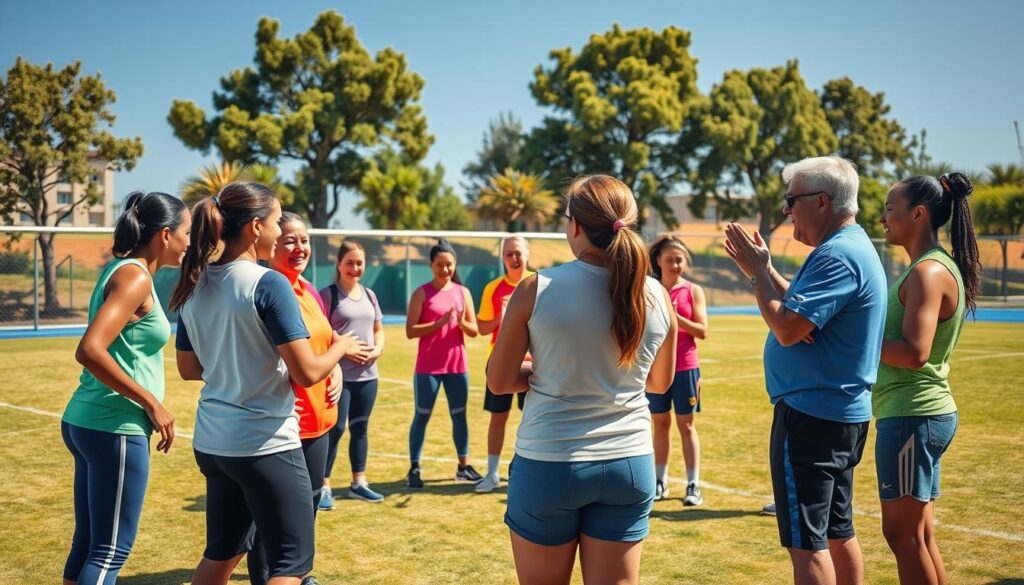
A vibrant sports community setting where athletes are engaged in supportive interactions. In the foreground, a diverse group of athletes of varying genders and ethnicities, wearing modest, brightly colored athletic wear, gather in a circle, smiling and encouraging one another. In the middle ground, a coach claps and cheers for a team during a training session, showcasing an atmosphere of motivation and camaraderie. The background features a sunny sports field with trees lining the edge, symbolizing growth and support, under a clear blue sky. Use warm, natural lighting to enhance the sense of community and encouragement, captured from a slightly elevated angle to emphasize the connection among the athletes. The mood is uplifting and inspiring, reflecting teamwork and hope.

How to Become a Support System for Peers

Building a supportive community is key for athletes. Being part of peer support helps everyone grow and strengthens the group. You can help in many ways.

Start by volunteering at events or practice. Sponsor an athlete or team to make a big difference. Donating to improve programs and facilities helps build the community.

Encourage kids to invite friends to join. Every small action helps build a stronger family. Make sure the sport environment is positive and safe.

Focus on respect and inclusion. Clear rules and codes of conduct are important. Trust in coach-athlete relationships is essential.

Involve athletes in making decisions. Their opinions shape team goals. Parents and guardians are also key. They should communicate about safety and expectations.

Programs like Athletes for Hope’s CHAMPS initiative are great. They mix movement and mental wellness, teaching character and leadership. By supporting each other, we can make our communities better. Learn more about support groups here. Together, we can build a strong and inclusive athletic community.

HHS Food Reforms And Ultra-Processed Foods

HHS Food Reforms drew attention on August 10, 2026, when the U.S. Department of Health and Human Services described proposed changes involving food ingredient oversight and ultra-processed foods. For people who train, coach, shop for families, or simply try to eat in a way that supports daily energy, the policy language can sound more dramatic than it should. A proposal is not the same as a final rule, and a federal definition is not the same as individualized nutrition guidance.

The useful question is narrower: what did HHS say, what do the available federal data show, and how should readers interpret the reforms without turning food choices into a source of anxiety?

As a performance-focused writer, I tend to look at nutrition policy through a practical lens. Food environments shape what is available, affordable, and familiar. At the same time, individual needs vary by age, training load, health history, medication use, pregnancy, culture, budget, and access. This article is educational only and does not replace medical or nutrition advice from a qualified clinician or registered dietitian.

What HHS Food Reforms Proposed

Why HHS Food Reforms Focus On GRAS

On August 10, 2026, HHS said it had proposed a rule that would require manufacturers to notify the FDA whenever they make a Generally Recognized as Safe, or GRAS, determination for substances added to human or animal food. HHS described the goal as modernizing the GRAS framework, increasing transparency, and giving the FDA more visibility into food ingredients HHS GRAS reform announcement.

That distinction matters because GRAS is not a nutrition claim. It is about the safety status of substances used in food under specified conditions. A product can contain a GRAS substance and still be a poor fit for a person’s goals if it is high in added sugars, sodium, or calories relative to that person’s needs. The reverse can also be true: a less processed food is not automatically suitable for every individual, especially when allergies, swallowing problems, gastrointestinal conditions, kidney disease, pregnancy, or medication interactions are part of the picture.

The proposed notification requirement appears aimed at oversight and visibility rather than telling every consumer exactly what to eat. That is a useful boundary. Policy can set rules for manufacturers, but it cannot fully account for the emotional, social, and practical reasons people choose foods.

The Proposed UPF Definition

HHS also said that HHS and USDA submitted the first proposed federal definition of ultra-processed foods for final federal review on August 10, 2026. The research notes indicate that no standardized federal definition had been established before that submission.

A definition may seem like a technical step, but it can affect research, labeling discussions, procurement standards, and future policy debates. Without a shared definition, studies and agencies may classify foods differently. That can make public messages harder to interpret. With a definition, the risk shifts: the category may become clearer, but consumers may still overgeneralize it.

For readers who want a separate policy-focused companion, CPCWA’s article on key HHS food policy changes covers related HHS Food Reforms in a policy literacy format.

Why Ultra-Processed Food Data Matter

What The CDC Numbers Show

Federal dietary intake data help explain why ultra-processed foods have become a policy focus. According to National Center for Health Statistics data from August 2021 through August 2023, ultra-processed foods accounted for 55.0% of calories consumed by people aged 1 year and older in the United States. The same data brief reported 61.9% among youth ages 1 to 18 and 53.0% among adults aged 19 and older CDC ultra-processed food data.

Those figures do not prove that every ultra-processed food causes harm in every context. They do suggest that this category represents a large share of the U.S. diet. From a public health standpoint, that scale makes definitions and oversight worth examining carefully.

For active people, the interpretation can be tricky. Some packaged foods are convenient around training. A runner may use a packaged bar because it is portable. A parent may buy frozen meals because time is limited after work and practice. A person recovering from illness may rely on easy-to-prepare foods because cooking is temporarily difficult. Policy discussions should leave room for those realities.

Youth And Adult Patterns

The youth figure is especially relevant for schools, families, and sports programs because food habits often form in environments adults design. Young people generally do not control school menus, household budgets, neighborhood store options, or practice schedules. If a child’s available choices are mostly packaged snacks, sweetened drinks, and ready-to-heat meals, the issue is not only willpower.

At the same time, numbers alone do not tell families which specific change to make first. A gradual shift toward more minimally processed options may be easier to sustain than strict rules that label foods as morally good or bad. In performance settings, rigid food fear can backfire emotionally. Athletes may need enough energy, carbohydrate, protein, fat, fluids, and micronutrients to support growth, training, recovery, and concentration. The exact mix depends on the person.

Reading The Proposal Without Panic

Shopper calmly comparing nutrition labels in a grocery aisle

What The Proposal Does Not Decide

A proposed federal definition of ultra-processed foods does not automatically make a food unsafe. It also does not diagnose anyone’s health risk, prescribe a diet, or determine whether a particular product belongs in a person’s meal pattern. Those decisions are more personal and should be discussed with qualified professionals when health conditions, disordered eating history, pregnancy, medication use, or major training demands are involved.

This is where public policy and personal nutrition can get blurred. HHS Food Reforms may influence manufacturers and agencies, but an individual still has to eat in the middle of real life. Budget, transportation, kitchen access, disability, caregiving demands, cultural foods, and work schedules all shape the practical choices people can make.

A cautious reading also avoids shame. Many people use packaged foods because they are affordable, shelf-stable, predictable, and quick. Criticizing the person rarely improves the food environment. A better approach asks what substitutions are realistic, what meals already work, and where a small change could support energy without creating stress.

A Calmer Way To Shop

For general education, it may help to think in patterns rather than isolated products. A single packaged food does not define a diet. A broader pattern that includes fruits, vegetables, whole grains, protein foods, dairy or appropriate alternatives, fats, and enough total energy may support health more consistently than an all-or-nothing rule.

  • Compare similar products for added sugars, sodium, fiber, and protein when labels are available.
  • Pair convenient packaged foods with less processed foods, such as fruit, yogurt, beans, eggs, vegetables, or whole grains, when accessible.
  • Keep performance needs in view: under-fueling can also impair training, mood, and recovery.
  • Avoid using policy headlines to create fear around every packaged item.

For readers interested in exploring discussions on consumer health topics across various platforms, cameltoe.org is a related resource in the network that may offer valuable insights.

HHS Food Reforms And Personal Context

Questions For Clinicians And Dietitians

The practical value of HHS Food Reforms may be that they encourage better questions. For policymakers, the questions involve definitions, oversight, and transparency. For consumers, the questions are often more personal: what helps me feel fueled, what fits my budget, what supports my training, and what changes are realistic?

If you have a medical condition, take medications, are pregnant, are feeding a young child, are supporting an older adult, or have a history of disordered eating, it is reasonable to bring food concerns to a clinician or registered dietitian rather than relying on headlines. You might ask how much dietary change is appropriate, whether sodium or added sugar targets matter for your situation, how to plan convenient meals around training or work, and whether any food restrictions could create nutritional gaps.

For athletes and regular exercisers, another useful question is whether food choices are supporting both physical output and emotional steadiness. A plan that looks strict on paper but leaves a person anxious, under-fueled, or socially isolated may not serve performance well. Evidence-based nutrition should leave room for adequacy, flexibility, and individual care.

The federal proposals from August 10, 2026, deserve careful attention, but they should not be read as a command to fear food. They are part of a policy discussion about ingredient visibility and a possible shared definition of ultra-processed foods. Personal decisions still belong in a more human setting: your health history, your daily demands, your access to food, and the professional guidance available to you.

Adolescent Suicidal Thoughts: What Data Shows

Adolescent suicidal thoughts data reviewed by a parent and counselor at a table

Adolescent suicidal thoughts are not an abstract public health topic. They represent young people who may be frightened, isolated, overwhelmed, or unsure how to ask for help. Recent U.S. data suggests a difficult picture: some measures appear lower than earlier pandemic-era peaks, while the number of affected adolescents remains deeply concerning.

For families, coaches, teachers, and youth-serving adults, the goal is not to diagnose a teen from a survey statistic. The goal is to understand what the data can and cannot tell us, then respond with steadier support, clearer referral pathways, and less stigma around distress.

What Adolescent Suicidal Thoughts Data Shows

Adolescent Suicidal Thoughts In 2025

The 2025 National Survey on Drug Use and Health reported that, among adolescents ages 12 to 17, about 2.6 million, or 10.4%, had serious thoughts of suicide in the past year. The same release reported that 1.3 million, or 5.1%, made a suicide plan, and 738,000, or 2.9%, attempted suicide in the past year, according to SAMHSA’s 2025 NSDUH release.

Those numbers should be read carefully. A survey cannot explain every cause, and it cannot tell us what any one young person needs. It can, however, show that adolescent suicidal thoughts affect a large group of teens across the country. Even a percentage that seems small in a chart can represent hundreds of thousands or millions of young people.

High School Survey Signals

The CDC’s Youth Risk Behavior Survey data from 2023 found that 20.4% of U.S. high school students seriously considered attempting suicide in the past year, 16.4% made a suicide plan, and 9.5% attempted suicide. The same CDC mental health data page also reports that in May 2026 there were 160 emergency department visits for suspected suicide attempts per 100,000 total emergency department visits among youth, based on National Syndromic Surveillance Program data from CDC suicidal thoughts and behavior data.

These measures are not identical to the SAMHSA figures. The age groups, survey methods, and questions differ. That is one reason the numbers should not be treated as interchangeable. Still, both sources point toward the same practical concern: many adolescents report serious distress, and some move from thoughts to planning or attempts.

Why Recent Numbers Can Look Conflicting

Different Surveys Ask Different Questions

One reason conversations about adolescent suicidal thoughts can become confusing is that national datasets use different samples. Some focus on adolescents ages 12 to 17. Others focus on high school students. Some ask about serious thoughts of suicide; others ask about seriously considering an attempt. These wording differences matter.

In training, small measurement differences can change how we interpret performance. A mile time, a treadmill pace, and a field test may all describe endurance, but they are not the same assessment. Mental health data works in a similar way. A cautious reading compares patterns without pretending that every number measures exactly the same experience.

A Lower Rate Is Not A Low Burden

Some recent data points suggest declines from earlier highs in certain adolescent measures. That can be encouraging, but it should not create complacency. A lower rate can still leave many young people at risk, especially when the population is large.

This distinction is emotionally important. Adults sometimes hear “the rate is improving” and assume the problem is fading. Teens in distress may hear the same statement and feel even more unseen. A better interpretation is more balanced: progress in a dataset may be real, while the remaining need is still substantial.

Patterns That Deserve Careful Attention

Gender And Identity Disparities

The research notes for 2023 show marked differences by gender and sexual orientation among high school students. Female students had higher reported rates of suicide-related behaviors than male students, and students identifying as LGBTQ+ reported much higher rates than their peers who did not identify as LGBTQ+.

These disparities should be handled with care. They should not be used to stereotype any student or assume risk based only on identity. They should push schools, families, and community programs to ask whether young people have safe adults, affirming environments, and timely access to qualified support when distress appears.

Emergency Department Signals

Emergency department data can add a different view because it reflects acute episodes that reach medical settings. It does not capture every crisis, and it may be affected by access to care, family response, local reporting systems, and how suspected attempts are classified.

Still, these data can help public health teams notice changes over time. For parents and coaches, the practical lesson is narrower: if a young person appears to be in immediate danger or may harm themselves, this is not a moment for motivational language, punishment, or waiting to see if they “snap out of it.” Contact local emergency services or a qualified crisis professional right away.

How Adults Can Respond Without Diagnosing

Trusted adult sitting beside a teenager during a calm conversation

Start With Safety And Connection

Most adults are not clinicians, and they do not need to act like clinicians to be useful. A calm response can begin with listening, staying nearby, reducing immediate access to obvious dangers when possible, and connecting the teen with a qualified professional. The exact next step may depend on urgency, local resources, and the young person’s circumstances.

Language matters. Statements such as “you are not in trouble,” “I am glad you told me,” and “we are going to get help from someone trained for this” may support connection. They do not replace professional care, but they may reduce shame in the moment.

For readers tracking broader patterns in youth distress, CPCWA has also covered youth mental health trends, including anxiety and behavior concerns among adolescents.

Support Training, Sleep, And Routine Realistically

As a performance writer, I often think about how stress shows up in the body. Training, school pressure, social conflict, poor sleep, and identity strain can interact in ways that leave a teen feeling depleted. Physical activity may support mood and routine for some adolescents, but it is not a substitute for mental health care when suicidal thoughts are present.

Adults should be careful not to frame exercise as proof of wellness. A teen can attend practice, lift weights, compete well, or smile in public while still experiencing severe distress. Performance does not rule out pain.

Some families also draw on faith, reflection, or values-based community support. Those supports may offer comfort for some people, though they should not delay urgent care. Readers interested in broader wellness and meaning-centered reflection can find related writing at Spiritual Endeavors.

  • Ask directly and calmly if the young person feels safe right now.
  • Stay with them or make sure another trusted adult is present if risk seems immediate.
  • Contact a qualified clinician, school mental health professional, crisis service, or emergency service based on urgency.
  • Avoid debating whether their feelings are reasonable; focus first on safety and support.

Understanding The Rise In Suicidal Thoughts Among Adolescents

The phrase “rise” needs careful use. Some long-term indicators have increased across past years, while some recent measures appear lower than earlier pandemic-era levels. The safer reading is that adolescent suicidal thoughts remain a major concern, even where some indicators have improved.

For adults, the data should create urgency without panic. Urgency means taking disclosure seriously, building clear help pathways before crisis, and reducing shame around mental health conversations. Panic can make adults overreact, interrogate, or withdraw from the young person because the topic feels frightening.

A steady approach is more useful. If a teen reports suicidal thoughts, has a plan, has made an attempt, or seems unable to stay safe, involve qualified help promptly. If concerns are less immediate but still troubling, discuss them with a pediatrician, licensed mental health clinician, school counselor, or another qualified professional. Ask what warning signs to monitor, what resources are available after hours, and how family members can support safety without turning home life into surveillance.

Data can point us toward the size of the problem. Human response determines whether a young person feels alone with it.

Youth Mental Health Trends: Anxiety And Behavior

Youth mental health discussion with a teen, caregiver, and counselor seated together

Youth mental health trends deserve careful reading because the same data can show concern and modest improvement at the same time. Anxiety symptoms remain common among U.S. adolescents, while some depression-related indicators appear to have eased from their 2021 levels. That mixed picture should not be used to minimize distress, but it can help families, schools, coaches, and community programs respond with better questions rather than panic.

As a performance-focused writer, I often see the mental side of training treated as either motivation or weakness. Young people need a broader frame. Anxiety, low mood, irritability, withdrawal, school avoidance, conflict, and risk-taking may appear in different settings, and none of those signs should be reduced to character. At the same time, an article cannot diagnose a young person or tell a family what care is appropriate. The safer goal is education: understand the public health signals, notice changes early, and involve qualified professionals when concerns persist or escalate.

What The Youth Mental Health Data Shows

Youth Mental Health Measures Are Not All The Same

The 2025 National Survey on Drug Use and Health reported that about 18.0% of U.S. adolescents ages 12 to 17, or roughly 4.6 million young people, had moderate or severe anxiety symptoms in the prior two weeks. The same survey reported that 15.1%, or about 3.7 million adolescents, had experienced a major depressive episode in the past year. SAMHSA released those findings on July 27, 2026, through its annual NSDUH update SAMHSA survey release.

Those two measures are related, but they do not mean the same thing. Anxiety symptoms over two weeks capture a recent symptom window. A past-year major depressive episode reflects a different time frame and a specific survey category. Comparing them too casually can make the situation look clearer than it is.

The CDC also reported that, in the 2023 Youth Risk Behavior Surveillance System, approximately 40% of U.S. high school students said they had felt so sad or hopeless nearly every day for at least two weeks that they stopped doing some usual activities. That was slightly lower than 42.3% in 2021. The same CDC page notes that about 19.7% of U.S. youth reported anxiety symptoms in the previous two weeks during July 2021 through December 2022 CDC mental health data.

Signals Of Improvement Still Require Attention

For youth mental health, a decline from a high point can be encouraging without being reassuring enough. A rate near 40% for sadness or hopelessness among high school students still suggests that many students are struggling with daily functioning, relationships, learning, or recovery from stress. A small improvement does not mean families and schools can step back.

It may be more accurate to say that the data point toward pressure that remains high, with some indicators moving in a better direction after the acute disruption seen around 2021. Public health data are useful because they show patterns across millions of young people. They are less useful for deciding what is happening with one teenager in one household, classroom, or locker room.

Why Anxiety And Behavioral Issues Can Overlap

Behavior Can Be A Signal, Not A Label

Anxiety in young people does not always look like quiet worry. It may show up as avoidance, anger, perfectionism, repeated reassurance seeking, stomach complaints before school, difficulty sleeping, or conflict around routines. Behavioral issues can also have many possible causes, including stress, developmental stage, family strain, learning challenges, substance exposure, trauma, peer pressure, sleep loss, or a diagnosable condition. An article cannot sort those causes for an individual child.

The youth mental health discussion often becomes unhelpful when adults ask only, “How do we stop this behavior?” A better first question may be, “What might this behavior be communicating?” That does not mean every behavior should be excused. Boundaries, safety, and accountability still matter. But young people usually benefit when adults pair limits with curiosity.

In training environments, this matters because athletes and active students may hide anxiety behind effort. A teen who never misses practice may still be distressed. Another may become irritable, distracted, or oppositional when pressure rises. Coaches and instructors should not try to diagnose, but they can notice patterns and refer concerns to parents, school supports, or licensed professionals.

Performance Pressure Can Complicate Reporting

Young people may hesitate to say they are anxious if they fear losing a starting role, disappointing a parent, being viewed as dramatic, or being removed from activities they care about. That fear can shape behavior. A student may push harder until they crash, avoid the setting entirely, or act out before anyone sees vulnerability.

Performance culture often praises grit. Grit can be useful when it means steady effort, realistic persistence, and learning through discomfort. It becomes less useful when it teaches young people to ignore distress until it disrupts school, sleep, relationships, or safety. Mental toughness should include the ability to ask for help, not just the ability to endure.

How Adults Can Read The Trends Carefully

Use Population Data As A Prompt For Better Observation

Survey percentages can support planning, but they should not be turned into assumptions about a specific child. A teen who appears successful may still be anxious. A teen who is struggling behaviorally may not have a mental health disorder. Both points can be true.

Adults can watch for changes from a young person’s usual baseline: sleep patterns, appetite, motivation, friendships, school attendance, emotional outbursts, withdrawal, substance use, or loss of interest in activities. These observations are not diagnoses. They are reasons to ask calm questions and, when needed, seek professional guidance.

Families may also benefit from thinking about the whole environment. Academic expectations, sport schedules, social media exposure, family stress, bullying, identity-related stress, and limited downtime can all affect how a young person copes. Public health data cannot identify which factor matters most for one child, but it can remind adults that distress is common enough to deserve open conversation.

Build Support Before A Crisis Point

Support does not need to begin only after a crisis. Schools, youth sports programs, and community groups can normalize help-seeking, clarify who students can talk to, and avoid language that shames anxiety or emotional distress. General wellness and care literacy resources, such as those available through HealthScope wellness resources, can also help families think more clearly about health information before they are under pressure.

Practical supports may include predictable routines, reasonable recovery time, consistent sleep expectations, trusted adults, and clear pathways to school counselors or healthcare professionals. These steps may support well-being, but they are not substitutes for evaluation when a young person has persistent, worsening, or safety-related symptoms.

  • Ask what has changed rather than starting with blame.
  • Separate discipline from emotional dismissal.
  • Keep communication open after a difficult incident.
  • Encourage professional support without framing it as failure.

What The Data Cannot Tell One Family

Family seated in a waiting room with a notebook

Trends Do Not Replace Individual Assessment

Even strong public health data have limits. Surveys rely on specific questions, time frames, and reporting methods. They can estimate how common symptoms are, but they cannot explain every cause or predict what one student needs. A young person with anxiety symptoms may need school support, family changes, therapy, medical evaluation, crisis care, or some combination. That decision belongs with qualified professionals who know the young person’s history and circumstances.

That distinction is especially relevant for behavioral concerns. Defiance, withdrawal, risk-taking, or intense emotional reactions may reflect many different patterns. Treating every behavior as “just anxiety” can miss other needs. Treating every behavior as willful misconduct can miss distress. A careful response leaves room for both accountability and assessment.

Equity And Access Remain Part Of The Conversation

Youth mental health can be shaped by access to care, family income, school staffing, transportation, insurance literacy, language access, stigma, and community safety. The two national sources cited here do not answer every equity question, but they make clear that mental health symptoms among adolescents are common enough to be a shared public concern rather than a private family failure.

For families, the practical issue is often not whether support sounds helpful, but whether it is available, affordable, and culturally respectful. Schools and community programs can help by making referral pathways clear and by avoiding vague advice that leaves parents unsure what to do next.

Youth Mental Health Questions For Clinicians

The most useful response to anxiety and behavioral concerns is usually specific, calm, and collaborative. Families do not need to arrive with a diagnosis. They can arrive with observations.

Parents and caregivers may want to discuss questions such as: What changes are most concerning? Could sleep, school stress, substance exposure, bullying, trauma, medication effects, or medical conditions be contributing? What signs would require urgent help? What school supports may be appropriate? How should adults respond when anxiety and behavior problems appear together? If treatment is recommended, what are the expected benefits, limits, and follow-up plan?

Young people can be included in these conversations in age-appropriate ways. They may know which settings feel hardest, which adults feel safe, and which pressures they have been hiding. Listening does not mean adults surrender judgment. It means the plan is more likely to match the young person’s real life.

If a young person talks about self-harm, suicide, feeling unsafe, or being unable to stay safe, families should seek immediate professional or emergency support through local crisis services, emergency departments, or emergency numbers. For non-emergency concerns, a pediatrician, licensed mental health professional, school counselor, or qualified healthcare clinician can help decide what assessment and support may fit the situation.

Red Flags: When (and How) to Ask for Mental Health Support as an Athlete

When to Get Help

The journey to being a top athlete is not just about physical training. Mental wellness is just as important for success and happiness. This is why Mental Health Awareness Month shines a light on sports at all levels.

Stars like Simone Biles and Michael Phelps have bravely talked about their mental battles. Their stories show a key point. Struggling with mental health doesn’t mean you’re weak. It’s a common part of being human, even more so in high-stress situations.

Athletes face special challenges. They deal with high expectations, the stress of getting better after injuries, and juggling sports with life. Even a small drop in confidence can hint at deeper mental or emotional issues.

Spotting these warning signs early is a sign of courage, not weakness. Being proactive about mental health is the first step to getting the support you need. Knowing when you might need help lets athletes seek professional help without fear of judgment.

Signs You Need Extra Help

A change in how you act, feel, or perform can mean you need more support. These signs often show up in three areas: how you behave, your emotions, and your physical health. Spotting them early can stop a small problem from growing big.

It’s important to compare your current actions and feelings to your usual self. A lasting change that goes on for weeks, not just a bad day, is a big warning.

Behavioral and Performance Changes

Your actions and how you do in sports and everyday life are clear signs. A sudden, unexplained drop in your sports performance is a big warning. This isn’t just a slump; it’s a decline that effort and training can’t fix.

You might start to dread practice or games, looking for excuses to skip them. A once-talkative teammate might now be quiet and withdrawn. Other signs include:

  • Increased risk-taking or reckless behavior.
  • Using alcohol or other substances to cope.
  • Neglecting responsibilities at school, work, or home.
  • Withdrawing from friends, family, and social activities.

Not enjoying the sport you once loved is a deep sign. This is more than just temporary frustration.

A serene scene in a well-lit therapy room designed specifically for athletes. In the foreground, a plush, modern sofa in muted colors awaits a visitor. On a nearby coffee table, thoughtful elements like a bowl of stress balls, a notebook, and a water bottle symbolize mental well-being. In the middle, a wall features framed posters displaying therapy signs and motivational quotes related to mental health. A potted plant adds a touch of life. The background is softly blurred, showcasing bookshelves filled with psychology and sports literature. The lighting is warm and inviting, evoking a sense of calm and support. The overall atmosphere is professional yet comforting, emphasizing the importance of mental health for athletes.

Emotional and Mental Shifts

Your inner world is full of clues. Emotional distress that feels overwhelming or constant is a key sign. This can show as intense worry, anxiety, or a constant sadness.

You might feel emotionally flat, numb, or disconnected. Feeling irritable, angry, or aggressive in ways that are out of character is common. A big drop in self-esteem or confidence, even in your sports skills, is another warning.

Saying you feel “off,” “bothered,” or hopeless are clear calls for help. These should never be ignored.

Physical Symptoms Without Clear Cause

The mind and body are closely linked. Stress and mental health issues often show up physically. Trouble sleeping, like not being able to fall or stay asleep, is very common.

Big changes in how much you eat, leading to weight loss or gain, are also signs. Unexplained physical complaints like headaches, stomach aches, or muscle tension are common signs.

Unexplained injuries or illnesses can sometimes mean burnout or emotional strain. Your body is trying to tell you what your mind might be hiding.

When many of these signs appear and last, it’s clear that therapy might be needed. Getting help is a smart move for your long-term health and performance. Looking into mental health resources is a good first step. Talking to a qualified therapist can give you the tools to handle these challenges.

How to Start the Conversation

Starting to talk about mental health is key. It’s important for parents, coaches, and teammates to lead this conversation. It helps build trust and encourages athletes to seek counseling.

Talk directly to the athlete first. This shows respect for their feelings. Regular check-ins help you understand their emotional state over time.

Make these talks feel normal, not like an interrogation. Listen more than you speak.

A focused and compassionate athlete counseling conversation in a well-lit, cozy office setting. In the foreground, two individuals are sitting across from each other: a young female athlete in a smart casual outfit and a professional-looking counselor in business attire. Both have engaged expressions, suggesting an earnest dialogue about mental health. The middle ground features a small coffee table with a notepad and a potted plant, creating an inviting atmosphere. In the background, softly blurred shelves filled with books and motivational posters add warmth and encouragement to the scene. The mood is supportive and hopeful, with soft, natural lighting filtering through a window, casting gentle shadows that enhance the intimate yet professional ambiance.

Ask open-ended questions to really get to know them. These questions can’t be answered with just “yes” or “no.” They help the athlete share their true thoughts and feelings.

Here are some examples:

  • “You’ve seemed different recently. What’s on your mind?”
  • “How are you feeling about your training and competition right now?”
  • “What can I do to help you through this?”

Make the athlete feel supported, not judged. Let them know it’s okay to be honest. Say, “It’s okay to tell me if you’re struggling. I won’t be disappointed.”

Listening actively is just as important as asking questions. Stay focused and maintain eye contact. Use nods and short phrases like “I see” or “Tell me more.” Avoid solving problems or sharing your own stories right away.

Just talking can be the support they need. It might lead them to seek counseling.

Be careful not to make assumptions or rush the process. Skipping the conversation and suggesting therapy too quickly can harm trust.

Use the strategies below to guide your approach. This table shows effective methods and common mistakes.

Situation Effective Approach Ineffective Approach
Noticing a drop in performance “I’ve noticed your energy seems lower in practice. How are you feeling about everything?” “You need to try harder. What’s wrong with you?”
Athlete seems withdrawn from the team “I miss your presence in the locker room. Is there anything you’d like to talk about?” Ignoring the change or complaining about their attitude to others.
When an athlete shares a worry Listen fully, then ask: “What would feel most helpful to you right now?” Immediately giving advice or dismissing their concern as “normal stress.”
Preparing to suggest professional help “Many athletes find it helpful to talk to a counseling expert who understands sports. Would you be open to exploring that?” “You clearly need to see a therapist,” said in a judgmental tone.

Starting this conversation takes courage and care. It shows that their mental health is as important as their physical health. When done with empathy, it opens the door to healing.

You’re not expected to be their therapist. Your role is to listen, validate, and guide them to the right counseling resources. This supportive dialogue is often the most important first step.

Choosing the Right Professional

Finding the right provider is a big step. Your choice depends on your needs, goals, and the mental health support you need. Knowing the difference between a therapist vs. counselor, psychologist, or psychiatrist is important.

Look for professionals through trusted groups like the Anxiety and Depression Association of America. Your primary care doctor can also give you referrals. For athletes, a sports psychologist can be very helpful.

Treatment might include therapy, medication, or both. A psychiatrist can give medication. This is often best when used with ongoing counseling.

Myths and Stigma

Many think mental health issues show weakness. In sports, the idea that athletes should always “be fine” is harmful. Mental fitness is something to improve, not a flaw.

Learning more about mental health can help. Knowing about symptoms can empower you. There are many resources like the “Let’s Get Physical (Therapy)” podcast and hotlines like NAMI (1-800-950-6264) or 988.

Getting professional mental health support is a smart move. It helps build strength for sports and life.

Understanding the Challenges

Work-Life-Sport Balance

Ever feel like you’re trying to fit 36 hours into a 24-hour day? Welcome to the modern circus of competing priorities.

Student athletes face a unique dilemma. They juggle demanding training schedules with academic pressures while trying to maintain some semblance of a social life. The result? Many end up running on fumes.

I’ve watched brilliant students turn into walking zombies. Their grades start looking like a stock market crash chart. Their energy levels resemble a phone battery at 1%.

This isn’t just about poor time management. It’s about energy distribution in a world that expects constant peak performance. The warning signs are subtle but unmistakable.

Chronic fatigue becomes the new normal. Sleep becomes a mythical concept. The quest for balance starts feeling like chasing unicorns.

We’re about to decode these patterns. Because understanding the problem is the first step toward crafting real solutions.

Prioritization Techniques

What if I told you prioritization is less about clock management and more about energy triage? For the modern student athlete, this isn’t just a theory. It’s a survival skill. The corporate world’s “Big Three” rule is as useful as a Swiss Army knife at summer camp.

Every day, pick three tasks that must be done today to make tomorrow easier. These tasks are the foundation of your sanity. I’ve seen athletes become productivity ninjas with this simple method.

Prioritization is about managing energy, not just time. Your brain has limited resources, like your phone’s battery. Would you waste energy on trivial things?

The planner is your map, filled with colors like a Rothko painting but practical. It helps you plan assignments against your sports schedule. Do tasks in order of due dates and mental energy needed.

This method shows that not all hours are the same. Use your post-practice exhaustion for routine tasks. Tackle complex problems when you’re fresh in the morning. It’s about using your energy wisely.

The most successful student athlete I’ve coached managed her schedule like a surgeon. She knew that prioritizing what matters most means sometimes leaving good tasks undone. This way, she focuses on the great ones.

This isn’t about doing more. It’s about doing what’s important. Trying to do everything at once only works in movies, not in real life. The student athlete who gets this can control their schedule, not the other way around.

Effective time management is your secret weapon. It turns overwhelming demands into manageable wins. It’s the difference between being overwhelmed and swimming towards your goals with purpose.

Sample Daily/Weekly Schedules

Ever wonder how athletes fit on SportsCenter and remember their birthdays? It’s not magic. It’s all about smart scheduling. Your calendar should be like a football playbook, but easier to read.

Good time management turns chaos into order. The key is using your time and energy wisely. They are your most valuable resources.

A neatly organized weekly schedule, with each day's activities elegantly divided into categories such as "School", "Sports", "Study", and "Free Time". The schedule is presented against a clean, minimalist background, with a soft, natural lighting that creates a sense of calm and focus. The layout is designed to be visually appealing and easy to read, with clear delineations between the different sections. The overall impression is one of a well-structured and balanced approach to managing one's time, reflecting the subject matter of the article.

Color-coding is more than for kids. It helps you see where you’re wasting resources. The best schedules have “strategic whitespace” for unexpected events.

Here’s a winning strategy:

  • Digital calendars beat paper planners for updates
  • Color-coding by activity type makes things clear
  • Rest blocks prevent burnout better than energy drinks
  • Weekly reviews help make adjustments

Finding the right balance between training, school, and friends is key. Here’s a sample plan:

Time Block Monday-Thursday Friday Weekend
6:00-7:30 AM Training/Practice Light workout Recovery/rest
8:00-3:00 PM Academic classes Classes/study Social activities
3:30-5:30 PM Team practice Game preparation Personal time
7:00-9:00 PM Homework/study Game/event Family time
9:30 PM+ Downtime/rest Social time Planning next week

Notice the gaps? They help with unexpected tasks or urges. The best workout schedule works with school, not against it.

Digital tools like Google Calendar help. Use colors for different activities. This makes your week easy to see and manage.

Sunday nights are for planning. Check your week’s schedule. This 20-minute review saves a lot of stress. Good time management means you’re in control.

The goal is not to fill every minute. Leave room for spontaneity. The best moments often come when you least expect them.

Saying No and Setting Limits

Learning to say no is key for success. Think of your time as valuable real estate. Not every request is worth your time.

Setting boundaries starts with talking early. Talk to coaches about school deadlines before they’re urgent. Discuss your workload with teachers when they’re planning, not in a crisis.

Saying no can be like a diplomatic talk. Instead of a simple no, say: “I can help after finals week” or “That event clashes with my recovery plan.” These are not nos, but rescheduling offers.

Top student athlete pros manage their time like a war plan. Saying yes to small things means missing out on big ones like recovery, school, or mental health.

Here are some tips for setting boundaries:

  • Make recovery time as important as any meeting
  • Use school work as a reason to adjust your training schedule
  • Have clear rules for talking to coaches and teachers

The best balance is knowing limits are not limits, but guides. Saying no today means you can say yes to what’s important tomorrow.

Family & Social Life

Let’s debunk a big myth in sports: your friends are not your enemy. In fact, they are your biggest ally. I’ve seen more careers fall apart because of loneliness than injuries. Your loved ones are not distractions; they are your emotional support.

A cozy living room scene, with a person sitting on a comfortable sofa, surrounded by family photos, potted plants, and warm lighting. In the foreground, a laptop and a calendar are placed on a wooden coffee table, symbolizing the balance between work, family, and social life. The middle ground features a framed painting on the wall, depicting a serene natural landscape, hinting at the importance of finding time for personal pursuits. The background showcases a large window, letting in soft natural light and providing a sense of openness and connection to the outside world. The overall atmosphere is one of tranquility, harmony, and a mindful approach to managing various aspects of life.

Think about when you last had a real talk that wasn’t about sports. That coffee or dinner with friends isn’t a waste. It’s emotional fuel that boosts your focus and strength. The smart athlete knows this balance is key.

Parents do more than just help with logistics; they are your emotional base. Talking openly about stress is not showing weakness. It’s a sign of mental strength. Your friends and family are your mental safety net under pressure.

Here’s a hard truth: titles fade, but relationships last. Nobody regrets not spending more time with loved ones when they’re dying. The goal of time management is not to cut out social life. It’s about fitting in meaningful connections.

Real connections are more valuable than hours of distraction. A quick call or a family dinner can be a mental health check. These moments are not extras; they are vital for lasting success.

Spending time with friends is not a waste. It’s recovery, perspective, and a reminder of your goals. Your social life and athletic career are not in competition. They are intertwined.

Recovery Time

If you think recovery is just between seasons, you’re taking a big risk. Recovery is not just about not doing anything. It’s about doing things that help your body and mind get better.

Sleep is not a luxury, it’s a must. The World Health Organization says we need 8-10 hours of sleep. This is not just for feeling good, but for performing at our best. A well-rested athlete does better in school and on the field.

Your body is like a smartphone. It needs to be charged to keep working. Taking breaks and resting is not weak. It’s essential for avoiding burnout and staying strong.

Here’s what strategic recovery looks like in practice:

Recovery Component Minimum Requirement Elite Level Mental Health Benefit
Sleep Duration 8 hours 9-10 hours Improved focus & mood regulation
Active Recovery Days 1 day/week 2-3 days/week Stress reduction & creativity boost
Nutrition Timing 3 meals/day 5-6 balanced meals Stable energy & cognitive function
Digital Detox 1 hour/day 3+ hours/day Better sleep quality & mental clarity

Resting is just as important as training. Your body can’t tell the difference between being busy and being productive. It just feels stressed. And stress can kill your dreams.

Good time management means planning for rest as well as training. Make time for relaxation and fun activities. The best athletes know that recovery is where the real gains happen.

Sleep and nutrition are key to success. They’re not just things to check off a list. They’re the base of everything else. Treat them with respect, and you’ll see big changes in your performance.

Remember, you’re not resting from your work – you’re working through your rest. This is the mindset shift that can change everything for a student athlete today.

Conclusion

Finding balance isn’t a quest for superheroes. It’s about making intentional choices every day. Student athletes who do well don’t have more hours. They make every hour count.

This isn’t about being perfect all the time. That’s unrealistic. It’s about adjusting as you go, like sailing in changing winds. The strategies we’ve talked about are for life, not just sports.

The real win isn’t just about sports or school. It’s about being a complete person. Doing well in both is the ultimate goal for every athlete.

Now, go make every hour count. The game is waiting for you.