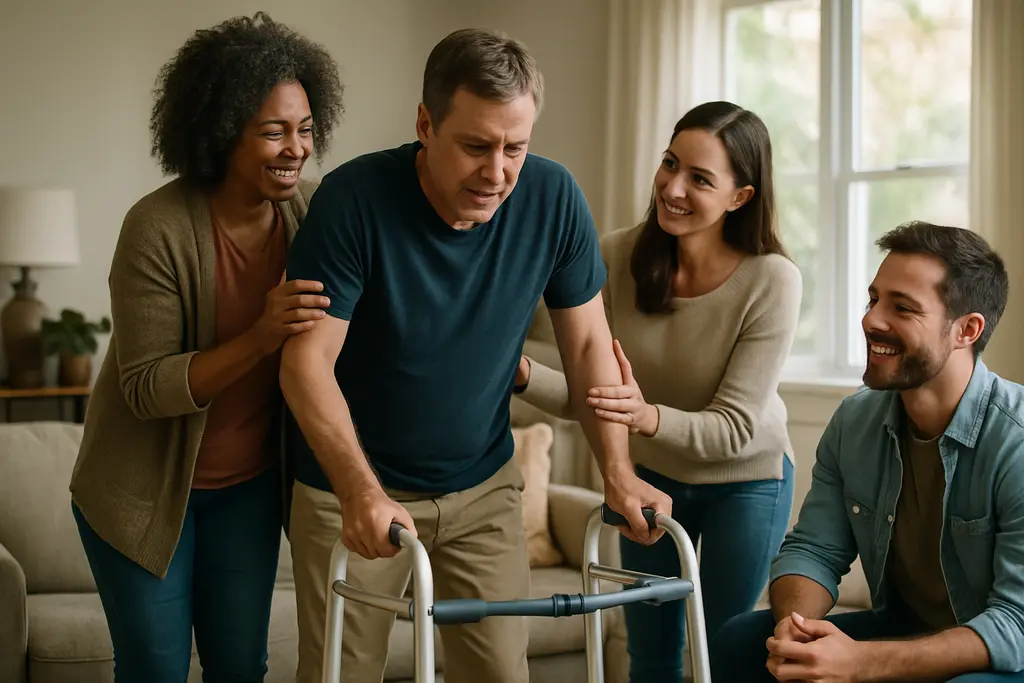
Fall Injury Prevention can sound like a narrow safety topic, but for many older adults it is really about independence. A fall may affect confidence, mobility, transportation, social connection, and the ability to keep daily routines. Not every fall causes serious harm, and not every risk can be removed. Still, evidence suggests that practical, well-supported strategies may reduce risk while respecting autonomy.
The scale of the issue is substantial. In the United States, more than one quarter of adults aged 65 and older reported falling in 2020, representing about 14 million people, and fewer than half reported the fall to a doctor, according to the CDC’s MMWR report on older adult falls. In 2021, the same report counted about 38,742 unintentional fall-related deaths among U.S. adults aged 65 and older, or roughly 78 deaths per 100,000 people CDC falls report.
Those numbers should not be read as a reason for fear or restriction. They are a reason to make falls part of normal health conversations. The goal is not to make life smaller. The goal is to support movement, confidence, and informed decisions.
Why Fall Injury Prevention Begins With Independence
Fall Injury Prevention Starts With Reporting
One of the most useful first steps is often the least dramatic: telling a healthcare professional that a fall happened. The CDC data showing that under half of older adults who fall tell a doctor suggests a gap between lived experience and clinical awareness. That gap matters because a fall can have many possible contributing factors, including strength, balance, vision, medications, environmental hazards, recent illness, or changes in confidence.
Reporting a fall does not mean a person has failed, become frail, or lost the right to make decisions. It simply gives a clinician more information. For family members and caregivers, the tone matters. A supportive response sounds less like correction and more like curiosity: What happened? Were there injuries? Has walking or confidence changed since then? Would it be useful to bring this up at the next visit?
Independence Is Not The Same As Doing Everything Alone
Many older adults understandably want to stay in charge of their routines. Safety planning should not automatically mean taking over someone’s home, schedule, or choices. A cautious Fall Injury Prevention plan works better when the older adult remains part of decisions about movement, home setup, transportation, footwear, exercise classes, and help from family or community programs.
This is also where community resources can be useful. Local senior centers, recreation departments, faith communities, and area agencies on aging may offer exercise, transportation, or home-safety education, though availability varies by location. For readers seeking additional insights into a healthy lifestyle beyond just injury prevention, they might find useful resources on Ekko Naturals, a related site in the same network.
Exercise Evidence And Safe Movement Planning
What The Evidence Suggests
Exercise is one of the more studied strategies in falls research, but the type of activity appears to matter. A systematic review used to inform WHO physical activity guidance reported that balance- and functional-exercise programs, particularly those reaching at least three hours per week, reduced fall rates by about 42% compared with control groups among community-dwelling adults aged 65 and older falls prevention review.
That finding does not mean every person should copy the same routine. Needs can differ based on age, current activity level, pain, medications, pregnancy status for younger adults with risk factors, vision, neurological conditions, recent surgery, and other health issues. It also does not mean exercise removes risk. Rather, the evidence suggests that appropriately chosen balance and functional movement may support steadiness for some older adults.
Adherence And Real-Life Fit
Research summarized for this topic also points to adherence as a major issue. Programs are unlikely to help if they are too difficult, inaccessible, expensive, or poorly matched to a person’s routine. A class at the right time, transportation help, a home-based option, or encouragement from a friend may influence whether a person keeps participating.
For people who tend to be active in short bursts, pacing may matter as well. CPCWA has a related discussion of weekend warrior injuries, which may be useful for thinking about warm-ups, recovery, and gradual activity changes. Older adults considering a new exercise program should discuss personal limits and appropriate options with a qualified healthcare professional, physical therapist, or trained community instructor.
Home And Daily-Routine Risk Checks
Home Changes Should Be Practical
Home hazard removal and environmental modification have been studied as part of falls prevention research. The findings in the research base are not all identical, but they generally support the idea that the physical environment can affect risk. A helpful home check is not about making a home look clinical. It is about reducing avoidable obstacles while preserving comfort, dignity, and familiar routines.
Some people may benefit from asking an occupational therapist, physical therapist, housing program, or local aging-services organization about a home safety review. Others may start by discussing whether lighting, stairs, bathroom routines, pets, floor surfaces, or frequently used pathways have recently become harder to manage. The safest changes are often the ones the person actually accepts and uses.
Combined Strategies May Be Stronger
Research summarized for this topic suggests that combined strategies may have larger effects than single approaches in some settings. Exercise, vision assessment, and environmental changes have been evaluated together in trials and reviews. That makes practical sense: a person’s fall risk rarely comes from one factor alone.
Still, more is not always better if it overwhelms the person. A long checklist can become discouraging. A better starting point may be one or two changes that fit current goals. For example, a person who wants to keep gardening may need a different plan than someone most concerned about nighttime bathroom trips, errands, or returning to a walking group. This article is educational and does not replace medical advice.
Communication With Family And Care Teams
A Non-Blaming Conversation Helps
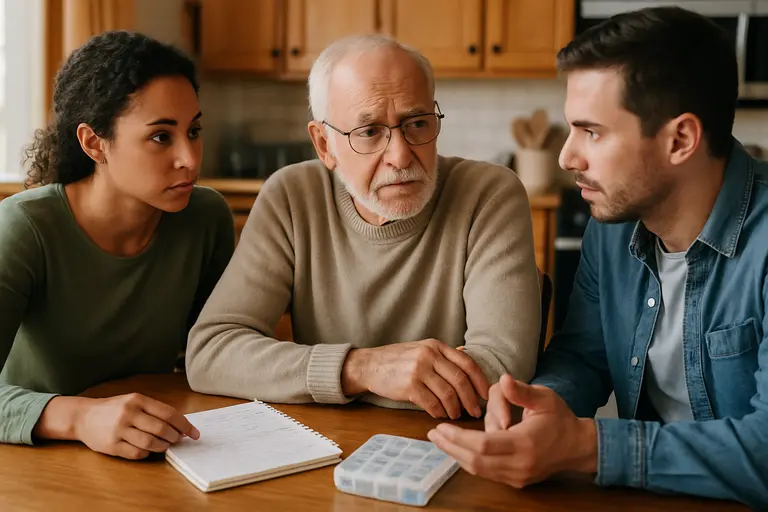
Falls can become emotionally loaded. Older adults may worry that mentioning a fall will lead to loss of driving privileges, pressure to move, or family members taking control. Families may worry silently and then respond too strongly after an incident. Both reactions are understandable.
A more useful conversation separates safety from blame. “I want to understand what happened” is different from “You are not safe alone.” “Would you be open to bringing this up with your clinician?” is different from “You need to stop doing that.” Preserving trust may make it more likely that future falls, dizziness, near-falls, or changes in walking are reported early.
What To Discuss With A Clinician
Because falls can have several contributing factors, a clinician can help sort through what is relevant for one person. The questions below are not a self-diagnosis tool. They are prompts for a health visit or care-planning conversation.
- Could any current symptoms, medical conditions, or medications be affecting balance or alertness?
- Would a balance, strength, vision, or mobility assessment be appropriate?
- What type of exercise or physical therapy would fit current health status and goals?
- Would a home-safety review or community falls program be useful?
- After a fall, what symptoms should prompt urgent medical evaluation?
- What parts of Fall Injury Prevention should family members support without taking over decision-making?
Fall Injury Prevention And Independent Living
Independent living is not protected by ignoring risk. It is protected by making risk visible enough to manage. Falls are common among adults aged 65 and older, but common does not mean inevitable or unworthy of attention. Evidence suggests that balance-focused and functional exercise, practical home changes, and coordinated conversations with healthcare professionals may support safer routines for many community-dwelling older adults.
The most respectful approach is collaborative. Older adults should be able to name their priorities, whether that means walking outside, living at home, attending community events, caring for a pet, or visiting family. Clinicians and caregivers can then help match safety strategies to those priorities. Before changing an exercise routine, adding equipment, or making major home adjustments, it is worth discussing personal health history, medications, recent falls, and mobility goals with a qualified clinician.