Audrey McAllister

Rural Youth Mental Health Lessons From Georgia TLC

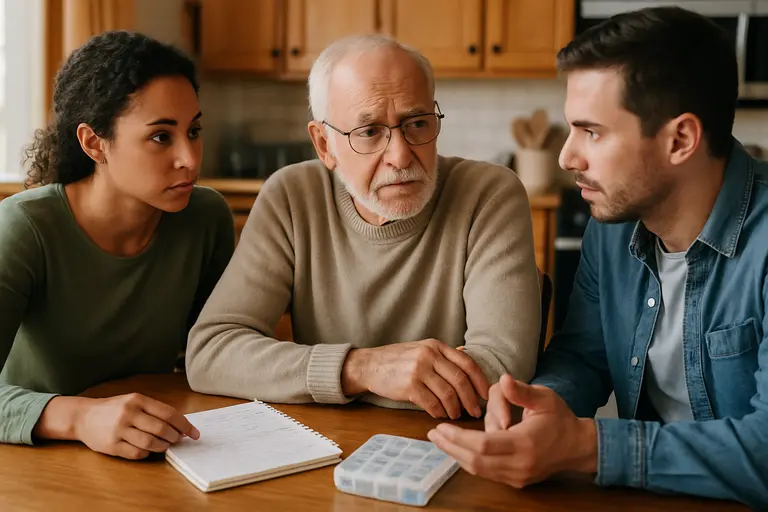
rural youth mental health discussion with students and a counselor in a small school room

Rural youth mental health access is often discussed as a service problem, but the Georgia experience shows it is also a transportation, workforce, school, family, and trust problem. The Teens Linked to Care program, known as TLC, offers one useful case study because it has connected rural communities with prevention, counseling, referral, and youth-support pathways rather than relying on a single clinic model.

This is an educational discussion, not medical advice. Youth mental health needs can vary by age, family context, diagnosis, safety concerns, insurance status, disability, medication use, and local service availability. Families and caregivers who have concerns about a young person’s mood, behavior, substance use, school functioning, or safety should discuss those concerns with a qualified clinician or school-based health professional.

Rural Youth Mental Health And Access Gaps

Why Local Capacity Matters

In July 2026, the CDC Foundation reported that Georgia’s TLC work had engaged more than 12,000 participants across seven site collaboratives in Georgia, Indiana, and Kentucky. That figure does not prove that every participating young person received clinical care, but it suggests that the model has reached a scale beyond a small pilot. The more meaningful question is what those contacts can do in places where routine behavioral-health access has been limited.

Jenkins County, Georgia, illustrates the access concern. According to the 2025 survey described in the research, 50% of youth in Jenkins County reported poor mental health, while only 12% said they had received the support they needed. The TLC partnership with Jenkins County began in the same year. A single county survey should not be treated as a statewide estimate, yet it gives a concrete example of the gap between reported need and reported support.

One reason rural youth mental health access can be difficult is the shortage of nearby professionals. Georgia’s 2025 behavioral health reporting stated that 151 of Georgia’s 159 counties were classified as having a mental health workforce shortage as of the 2023-2024 school year, with most of those counties rural. The same reporting said that, in Apex Year 10 during the 2024-2025 school year, more than 36,000 Tier 2 and Tier 3 services were provided through telehealth, and rural areas accounted for about 51% of that telehealth use, compared with about 49% in urban areas Georgia behavioral health report.

Rural Youth Mental Health Signals From TLC

The Jenkins County findings point toward a practical concern: young people may be willing to report distress before a local system is ready to respond at the same level. That gap can leave families trying to decide where to turn, whether a school contact is enough, or whether a distant provider is realistic. Programs built around rural youth mental health may help when they create multiple doors into support, such as school connections, community partners, counseling referrals, and telehealth links.

Still, reach is not the same as access, and access is not the same as quality or continuity. A youth may attend an awareness event, speak with a trusted adult, receive a referral, or begin counseling; each step matters, but each has different implications. Careful evaluation should ask whether young people are getting timely appointments, whether families understand their options, and whether services continue long enough to support stable functioning.

What Georgia TLC Added In Jenkins County

Evergreen Counseling And Local Service Availability

One of the clearest TLC-related developments in the research was the opening of Evergreen Counseling Services in October 2025. The CDC Foundation reporting summarized in the research described Evergreen as the first mental health provider in Jenkins County since 2006. By mid-2026, Evergreen had provided more than 170 individual counseling sessions through TLC.

That number should be read cautiously. It does not tell us how many unique youth were served, what concerns brought them to counseling, how long they waited, or what outcomes they experienced. It does, however, show that a county without a local mental health provider for many years had at least some new service capacity after the TLC partnership began.

For families, local availability can matter in ordinary but powerful ways. A shorter trip may make it easier to keep an appointment. A school or community referral may feel less intimidating than calling an unfamiliar office far away. A provider who knows the community may better understand local school schedules, transportation limits, and family concerns. None of those factors guarantees good care, but they may reduce friction at the point when a young person or caregiver is ready to ask for help.

What TLC Cannot Solve Alone

TLC should not be described as a full solution to rural behavioral-health access. The research does not show that TLC eliminated wait times, resolved workforce shortages, or met every youth need in Jenkins County. It also does not show whether services were equally accessible to youth with disabilities, uninsured families, families with limited transportation, or youth needing higher levels of care.

That caution matters. Community programs can open doors, but youth mental health support often depends on a chain of steps: recognizing concern, reducing stigma, screening or assessment, referral, family consent when required, insurance or payment arrangements, transportation or telehealth access, and follow-up. If any link fails, care can stall.

School-Based Programs And Telehealth Capacity

How Apex Expands The Access Conversation

Georgia’s TLC work is not happening in isolation. The Georgia Apex Program is a school-based mental health program that has expanded access through schools. For the 2024-2025 school year, Apex delivered 264,940 behavioral health services and reached 15,617 students across 868 schools. The same 2025 report stated that 7,243 students received mental health services from an Apex therapist for the first time during that school year, and 71% of parents reported that their child was better able to handle daily life after receiving Apex services Georgia Apex findings.

Those numbers suggest that schools can be a major access point. They do not prove that school-based services are enough for every student. Some young people may need care outside school, specialty evaluation, crisis support, family-based services, or long-term treatment planning. School-based care may work best when it is connected to community providers rather than treated as a substitute for the wider behavioral-health system.

Telehealth Helps, But It Has Limits

Telehealth can reduce some practical barriers, especially when a rural county has few local clinicians. The Georgia data showing substantial telehealth use in rural areas during Apex Year 10 suggests that remote services were not confined to urban schools. That is meaningful for access planning.

Even so, telehealth access depends on private space, reliable internet, caregiver consent where required, comfort with technology, and a plan for higher-risk concerns. Some students may not want to talk from home or school if privacy is limited. Others may need in-person evaluation. A cautious policy approach would treat telehealth as one access pathway, not as a replacement for local relationships and in-person care options.

Practical Access Questions For Families And Communities

Caregiver and school staff reviewing notes at a conference table

Questions That Clarify The Care Path

Families do not need to become policy experts to ask useful questions. They can focus on whether a young person has a clear and realistic route to support. Community leaders, schools, and local coalitions can ask the same questions at the system level.

  • Who is the first trusted contact when a student asks for help at school?
  • What local or telehealth options exist if counseling is recommended?
  • How are urgent concerns handled during school hours and after hours?
  • What costs, insurance issues, or transportation barriers might delay care?
  • How are families informed while still respecting a young person’s privacy and legal rights?
  • How does the school coordinate with community programs such as TLC or Apex-linked providers?

These questions do not diagnose a young person or determine what care is appropriate. They help identify whether the pathway from concern to support is understandable. For broader wellness literacy and community-health context, readers may also explore various HealthScope resources.

Reducing Stigma Without Overpromising

Public conversations about youth mental health can help reduce shame, but they should avoid promising that one program will solve every problem. A young person may need time before they are ready to talk. A caregiver may need help understanding school-based options. A clinician may need to evaluate whether symptoms reflect stress, grief, trauma exposure, substance use, a developmental concern, a medical issue, or another factor. Those distinctions require qualified assessment.

Communities can still create safer conditions for help-seeking. They can use plain language, explain confidentiality rules, avoid blaming families, and make it normal to ask about counseling or school support. They can also track whether outreach is reaching students who are often missed, including those who are not regularly attending school.

Rural Youth Mental Health In Georgia’s TLC Context

What The Georgia Evidence Suggests

The Georgia data points toward a balanced interpretation. TLC appears to have added community-linked capacity in Jenkins County after many years without a local provider. Apex appears to have expanded school-based behavioral-health services across many Georgia schools, with substantial service volume during the 2024-2025 school year. Telehealth appears to have been used meaningfully in rural areas. At the same time, statewide workforce shortages and low reported support among Jenkins County youth show that access gaps remain.

For rural youth mental health in Georgia, the most useful lesson may be that access needs more than awareness. It needs local entry points, school partnerships, referral relationships, telehealth options, family communication, and enough clinicians to respond when young people ask for help. The available data supports cautious optimism, not certainty.

Families who are concerned about a young person can consider discussing several topics with a pediatrician, licensed mental health clinician, school counselor, school nurse, or another qualified professional: what changes in mood or behavior warrant evaluation, what local and telehealth options are available, how privacy is handled, what to do if symptoms worsen, and how school support can coordinate with outside care. Those conversations can help turn concern into an informed next step without relying on guesswork.

How Fall Injury Prevention Supports Independence

Fall Injury Prevention planning with an older adult reviewing home safety notes

Fall Injury Prevention can sound like a narrow safety topic, but for many older adults it is really about independence. A fall may affect confidence, mobility, transportation, social connection, and the ability to keep daily routines. Not every fall causes serious harm, and not every risk can be removed. Still, evidence suggests that practical, well-supported strategies may reduce risk while respecting autonomy.

The scale of the issue is substantial. In the United States, more than one quarter of adults aged 65 and older reported falling in 2020, representing about 14 million people, and fewer than half reported the fall to a doctor, according to the CDC’s MMWR report on older adult falls. In 2021, the same report counted about 38,742 unintentional fall-related deaths among U.S. adults aged 65 and older, or roughly 78 deaths per 100,000 people CDC falls report.

Those numbers should not be read as a reason for fear or restriction. They are a reason to make falls part of normal health conversations. The goal is not to make life smaller. The goal is to support movement, confidence, and informed decisions.

Why Fall Injury Prevention Begins With Independence

Fall Injury Prevention Starts With Reporting

One of the most useful first steps is often the least dramatic: telling a healthcare professional that a fall happened. The CDC data showing that under half of older adults who fall tell a doctor suggests a gap between lived experience and clinical awareness. That gap matters because a fall can have many possible contributing factors, including strength, balance, vision, medications, environmental hazards, recent illness, or changes in confidence.

Reporting a fall does not mean a person has failed, become frail, or lost the right to make decisions. It simply gives a clinician more information. For family members and caregivers, the tone matters. A supportive response sounds less like correction and more like curiosity: What happened? Were there injuries? Has walking or confidence changed since then? Would it be useful to bring this up at the next visit?

Independence Is Not The Same As Doing Everything Alone

Many older adults understandably want to stay in charge of their routines. Safety planning should not automatically mean taking over someone’s home, schedule, or choices. A cautious Fall Injury Prevention plan works better when the older adult remains part of decisions about movement, home setup, transportation, footwear, exercise classes, and help from family or community programs.

This is also where community resources can be useful. Local senior centers, recreation departments, faith communities, and area agencies on aging may offer exercise, transportation, or home-safety education, though availability varies by location. For readers seeking additional insights into a healthy lifestyle beyond just injury prevention, they might find useful resources on Ekko Naturals, a related site in the same network.

Exercise Evidence And Safe Movement Planning

What The Evidence Suggests

Exercise is one of the more studied strategies in falls research, but the type of activity appears to matter. A systematic review used to inform WHO physical activity guidance reported that balance- and functional-exercise programs, particularly those reaching at least three hours per week, reduced fall rates by about 42% compared with control groups among community-dwelling adults aged 65 and older falls prevention review.

That finding does not mean every person should copy the same routine. Needs can differ based on age, current activity level, pain, medications, pregnancy status for younger adults with risk factors, vision, neurological conditions, recent surgery, and other health issues. It also does not mean exercise removes risk. Rather, the evidence suggests that appropriately chosen balance and functional movement may support steadiness for some older adults.

Adherence And Real-Life Fit

Research summarized for this topic also points to adherence as a major issue. Programs are unlikely to help if they are too difficult, inaccessible, expensive, or poorly matched to a person’s routine. A class at the right time, transportation help, a home-based option, or encouragement from a friend may influence whether a person keeps participating.

For people who tend to be active in short bursts, pacing may matter as well. CPCWA has a related discussion of weekend warrior injuries, which may be useful for thinking about warm-ups, recovery, and gradual activity changes. Older adults considering a new exercise program should discuss personal limits and appropriate options with a qualified healthcare professional, physical therapist, or trained community instructor.

Home And Daily-Routine Risk Checks

Home Changes Should Be Practical

Home hazard removal and environmental modification have been studied as part of falls prevention research. The findings in the research base are not all identical, but they generally support the idea that the physical environment can affect risk. A helpful home check is not about making a home look clinical. It is about reducing avoidable obstacles while preserving comfort, dignity, and familiar routines.

Some people may benefit from asking an occupational therapist, physical therapist, housing program, or local aging-services organization about a home safety review. Others may start by discussing whether lighting, stairs, bathroom routines, pets, floor surfaces, or frequently used pathways have recently become harder to manage. The safest changes are often the ones the person actually accepts and uses.

Combined Strategies May Be Stronger

Research summarized for this topic suggests that combined strategies may have larger effects than single approaches in some settings. Exercise, vision assessment, and environmental changes have been evaluated together in trials and reviews. That makes practical sense: a person’s fall risk rarely comes from one factor alone.

Still, more is not always better if it overwhelms the person. A long checklist can become discouraging. A better starting point may be one or two changes that fit current goals. For example, a person who wants to keep gardening may need a different plan than someone most concerned about nighttime bathroom trips, errands, or returning to a walking group. This article is educational and does not replace medical advice.

Communication With Family And Care Teams

Clinician speaking with an older adult and caregiver in an exam room

A Non-Blaming Conversation Helps

Falls can become emotionally loaded. Older adults may worry that mentioning a fall will lead to loss of driving privileges, pressure to move, or family members taking control. Families may worry silently and then respond too strongly after an incident. Both reactions are understandable.

A more useful conversation separates safety from blame. “I want to understand what happened” is different from “You are not safe alone.” “Would you be open to bringing this up with your clinician?” is different from “You need to stop doing that.” Preserving trust may make it more likely that future falls, dizziness, near-falls, or changes in walking are reported early.

What To Discuss With A Clinician

Because falls can have several contributing factors, a clinician can help sort through what is relevant for one person. The questions below are not a self-diagnosis tool. They are prompts for a health visit or care-planning conversation.

  • Could any current symptoms, medical conditions, or medications be affecting balance or alertness?
  • Would a balance, strength, vision, or mobility assessment be appropriate?
  • What type of exercise or physical therapy would fit current health status and goals?
  • Would a home-safety review or community falls program be useful?
  • After a fall, what symptoms should prompt urgent medical evaluation?
  • What parts of Fall Injury Prevention should family members support without taking over decision-making?

Fall Injury Prevention And Independent Living

Independent living is not protected by ignoring risk. It is protected by making risk visible enough to manage. Falls are common among adults aged 65 and older, but common does not mean inevitable or unworthy of attention. Evidence suggests that balance-focused and functional exercise, practical home changes, and coordinated conversations with healthcare professionals may support safer routines for many community-dwelling older adults.

The most respectful approach is collaborative. Older adults should be able to name their priorities, whether that means walking outside, living at home, attending community events, caring for a pet, or visiting family. Clinicians and caregivers can then help match safety strategies to those priorities. Before changing an exercise routine, adding equipment, or making major home adjustments, it is worth discussing personal health history, medications, recent falls, and mobility goals with a qualified clinician.

South Florida’s Powerful Minds Marks 10 Years Of Athlete Mental Health Advocacy

A New Generation Of Athletes Carries Powerful Minds Forward

A decade after University of South Florida student-athletes helped bring mental health into the American Conference’s athletics conversation, the message behind Powerful Minds remains relevant: competitive strength and emotional well-being should not be treated as opposing priorities.

On October 15, 2026, the University of South Florida published a retrospective examining the initiative’s development and the continuing role of student-athletes in challenging mental-health stigma.

The report, written by USF Athletics senior writer Joey Johnston, revisited the contributions of former Bulls football center Cameron Ruff, who helped establish the initiative through the conference’s Student-Athlete Advisory Committee.

Now 31 and coaching offensive line at Jesuit High School in Tampa, Florida, Ruff returned to speak with South Florida’s Student-Athlete Advocacy Council during the American Conference’s Mental Health and Powerful Minds Week.

His visit connected the program’s early advocacy with a new generation of athletes facing competitive expectations, demanding schedules and increasingly visible online scrutiny.

Current USF football player Greg Otten, women’s lacrosse player Kerrigan Gilmore and Director of Sport Psychology Dr. Lee Dorpfeld were among the people highlighted in the university’s coverage.

The discussion demonstrated why athlete mental health remains an important part of college sports, even as universities expand awareness campaigns and professional support resources.

According to USF Athletics’ October 15 report on Powerful Minds, the initiative continues to encourage athletes to discuss psychological challenges and recognize when professional assistance may be appropriate.

The anniversary also raises a broader question: what does meaningful progress in student-athlete mental health look like after years of awareness campaigns?

The answer involves more than public messaging. It requires examining athlete leadership, access to qualified professionals, confidentiality, coaching culture and whether students feel comfortable using the resources available to them.

South Florida Revisits The Powerful Minds Mental Health Initiative

Powerful Minds is an athlete-led mental-health awareness initiative associated with the American Conference.

Its purpose is to challenge stigma, increase awareness of available resources and encourage student-athletes to recognize mental well-being as an important part of their overall health.

The initiative developed through the conference’s student-athlete advisory structure, giving athletes a role in shaping conversations about issues that directly affect their lives.

USF’s October 2026 retrospective described the campaign as a decade-long effort, emphasizing the contributions of athletes who helped establish its direction.

There is an important distinction in the historical timeline.

The American Conference’s official Powerful Minds history identifies fall 2017 as the formal inception of the campaign. The conference also documented mental-health awareness activities beginning in September of that year.

Therefore, USF’s ten-year retrospective is best understood as a reflection on approximately a decade of athlete-led advocacy rather than confirmation that the formally named campaign launched in 2016.

That distinction does not diminish the program’s significance.

It provides a clearer picture of how mental-health advocacy developed within college athletics during the late 2010s.

The campaign has included conference-wide awareness activities, public messaging and participation from athletic programs.

Its central objective has remained consistent: athletes should know that mental-health concerns deserve attention and that seeking appropriate help is compatible with competitive participation.

However, awareness and treatment are not interchangeable.

An initiative can encourage discussion without providing clinical evaluation or counseling.

The effectiveness of any broader mental-health system depends on whether awareness efforts connect athletes with qualified professionals and reliable services.

Cameron Ruff Helped Bring Athlete Mental Health Into The Conversation

Cameron Ruff played offensive line for South Florida from 2014 through 2017.

During that period, he became involved in the American Conference’s Student-Athlete Advisory Committee and contributed to the development of the mental-health initiative.

His perspective was shaped by the contrast between how athletic programs typically respond to physical injuries and how psychological difficulties have sometimes been treated.

Athletes who experience physical setbacks often have established pathways to athletic trainers, physicians, rehabilitation professionals and other specialists.

Mental-health concerns have not always received the same visibility or acceptance.

Cameron Ruff's Journey From College Athlete To Youth Coach

Ruff’s advocacy challenged the idea that psychological struggles indicate weakness or a lack of competitive commitment.

In his October 2026 comments, he recalled how athletes could face dismissive judgments when discussing mental-health difficulties.

His goal was to encourage a more supportive understanding of those experiences.

That distinction matters because mental toughness is frequently discussed in sports as the ability to endure pressure.

Persistence and discipline can be valuable athletic qualities, but they do not eliminate the need for professional mental-health care.

An athlete may be highly motivated, physically prepared and successful in competition while also experiencing concerns that deserve evaluation.

Ruff’s message did not suggest that every difficult emotion represents a clinical condition.

Instead, it emphasized recognizing when concerns become significant and understanding how to obtain appropriate support.

The former USF player now works with younger athletes as an offensive-line coach at Jesuit High School, his alma mater.

That transition gives his advocacy a different context.

He is no longer speaking only as a former college athlete. He is also working in an environment where adults have responsibilities for the safety and well-being of developing players.

For high school coaches, the appropriate role is not to diagnose psychological conditions.

It is to foster respectful communication, recognize when additional assistance may be needed and follow established procedures for connecting students with qualified professionals.

Powerful Minds Continues Through South Florida’s Student-Athlete Council

During the 2026 Powerful Minds Week, Ruff addressed South Florida’s Student-Athlete Advocacy Council, commonly known as SAAC.

According to USF Athletics, the council includes student-athlete leaders representing each of the university’s 21 varsity sports.

This structure gives the initiative a broader reach than a single team or athletic discipline.

Football players, lacrosse athletes and competitors from other sports may face different schedules and competitive environments.

Yet they can share concerns involving academic responsibilities, public expectations, performance pressure and access to support.

Student-athlete representation can help universities understand those experiences from the perspective of the people directly affected.

Athletes may identify barriers that are not immediately apparent to administrators.

For example, a university might offer professional counseling while students remain uncertain about confidentiality, appointment procedures or whether seeking care could affect their standing within a team.

An advisory council can provide a forum for discussing those concerns.

However, student representatives should not be expected to serve as informal therapists.

Their responsibilities are different from those of licensed mental-health professionals.

Peer leadership can support education, encourage respectful conversations and help communicate where resources are available.

Clinical assessment, diagnosis and treatment must remain with appropriately qualified providers.

The value of a student-athlete council lies partly in its ability to connect athlete experiences with institutional decision-making.

That connection becomes more meaningful when university leaders listen to feedback and examine whether support systems are accessible in practice.

Greg Otten Highlights The Pressure Of College Athletic Schedules

Current USF football player Greg Otten, the Student-Athlete Advocacy Council’s vice president, contributed to the university’s October 2026 discussion.

Otten emphasized the time demands associated with college athletics.

Student-athletes frequently move between training, academic work, competition and other responsibilities.

For some, that schedule may leave limited opportunities to decompress or reflect on difficult experiences.

Otten also discussed the importance of managing pressure and learning to move forward after mistakes.

These concerns are familiar across competitive sports.

A football player may have to prepare for the next game shortly after a disappointing performance.

A student may face an examination while managing travel and practice commitments.

A team leader may feel responsible for supporting teammates while also handling personal obligations.

None of these circumstances automatically indicates a mental-health disorder.

However, they illustrate why college athletes may benefit from clear support systems and opportunities to discuss concerns before they become overwhelming.

Otten identified Dr. Lee Dorpfeld as an important resource for South Florida athletes.

His comments highlighted the value of having a qualified professional associated with the athletics environment.

That access can make it easier for students to understand where support is available.

It does not mean that every athlete will require clinical treatment or that the same approach is appropriate for everyone.

The practical objective is to ensure that athletes know their options and can seek qualified assistance when needed.

Kerrigan Gilmore Raises Concerns About Social Media Comparison

Women’s lacrosse player Kerrigan Gilmore, the current SAAC secretary, offered another perspective.

She described the combination of academic work, athletic expectations, relationships, nutrition responsibilities and social-media exposure that many young athletes navigate.

Gilmore expressed concern about how online comparisons can affect the way athletes evaluate themselves.

Social media can provide opportunities for communication, community and personal expression.

It can also expose athletes to criticism, unrealistic comparisons and public commentary about their performances.

The effects vary considerably.

Some athletes may find online engagement positive or manageable.

Others may experience pressure from negative comments, expectations about appearance or comparisons with competitors.

Gilmore’s comments reflected her personal perspective rather than a clinical assessment of other athletes.

Her observations are nevertheless relevant to broader NCAA research.

Social Media Pressure And The Modern College Athlete

In February 2026, the NCAA reported findings from its 2025 Growth, Opportunities, Aspirations and Learning of Students in College study.

Among Division I men’s basketball respondents, 51% reported receiving social-media abuse related to their athletic performance.

The same group reported a 46% rate of negative or threatening messages from someone who had bet on their game.

Those figures apply to the specific surveyed population and should not be generalized to all USF athletes or all college sports.

The NCAA’s 2026 social-media harassment findings nevertheless demonstrate that online abuse is a documented concern within college athletics.

For athletes, the practical response may involve understanding available reporting mechanisms, establishing reasonable boundaries around online engagement and discussing distressing experiences with trusted people.

When online harassment contributes to persistent distress or affects everyday functioning, professional mental-health support may be appropriate.

Athletes should not be expected to tolerate threatening behavior as an unavoidable part of competition.

Dr. Lee Dorpfeld Connects Awareness With Professional Support

A major part of South Florida’s mental-health environment involves Dr. Lee Dorpfeld, the university’s Director of Sport Psychology.

USF Athletics identifies Dorpfeld as a professional who provides support to student-athletes and helps address mental-health and performance-related concerns.

His role is particularly relevant because awareness campaigns can encourage athletes to seek help, but professional services provide a different level of support.

The university’s athletics department has a longer history of mental-health programming than Powerful Minds itself.

According to USF’s official Sport Psychology Department information, South Florida began providing in-house mental-health and performance-enhancement services for student-athletes in 2014.

The department states that USF was the first athletics program in the American Athletic Conference to establish that type of in-house service.

That history helps explain why the university’s 2026 discussion extends beyond a single awareness initiative.

South Florida’s approach combines athlete-led advocacy with an established professional support structure.

Sports psychology can involve performance-related concerns such as concentration, confidence and adjustment to competitive pressure.

Clinical mental-health care may involve evaluation and treatment of conditions that affect an athlete’s emotional or psychological functioning.

The distinction between these services depends on professional qualifications, licensure and the individual athlete’s needs.

The NCAA emphasizes that formal mental-health evaluation and treatment should be performed by appropriately licensed providers acting within their professional scope.

Athletes should be able to ask questions about confidentiality, available services and referral procedures.

They should also understand that coaches and teammates are not substitutes for qualified clinicians.

The presence of a professional such as Dorpfeld is a meaningful component of USF’s support structure, but the October 15 retrospective does not provide clinical outcome data demonstrating the effects of his services.

NCAA Research Shows Athlete Mental Health Extends Beyond Competition

Powerful Minds operates within a national college athletics environment where mental-health concerns have received increasing attention.

The NCAA’s 2022–23 Student-Athlete Health and Wellness Study collected responses from approximately 23,000 student-athletes across its three divisions.

The study examined mental health, substance use, nutrition, body image and other aspects of well-being.

According to the NCAA Student-Athlete Health and Wellness Study, reported mental-health concerns had improved compared with 2020 but remained elevated overall.

The research identified academics, planning for the future and finances among the major stressors affecting student-athletes.

These findings reinforce the importance of considering the whole student rather than focusing exclusively on athletic performance.

A competitor’s well-being may be influenced by educational responsibilities, financial concerns, relationships and uncertainty about future opportunities.

Athletes also differ in their experiences.

The NCAA reported disparities in mental-health challenges across student populations, highlighting the importance of approaches that recognize different backgrounds and support needs.

Research findings should not be used to diagnose individual athletes.

A population-level survey describes patterns among respondents. It does not establish whether a particular student has a mental-health condition.

For universities, the findings support the need for accessible services, appropriate screening procedures and clear referral pathways.

For athletes and families, they demonstrate why mental health deserves attention alongside physical health and academic development.

NCAA Mental Health Best Practices Establish Institutional Responsibilities

The NCAA’s second edition of its Mental Health Best Practices became effective on August 1, 2024.

The framework provides evidence-informed and consensus-based guidance for supporting student-athlete mental health.

NCAA member schools are required to make mental-health services and resources available in a manner consistent with these best practices.

The framework emphasizes four major responsibilities.

First, universities should establish environments that promote mental health and well-being.

Second, institutions should have procedures for identifying potential concerns, including appropriate psychological-distress screening.

Third, schools should maintain written mental-health action plans with clear pathways to routine and emergency care.

Fourth, formal evaluation and treatment must be overseen by appropriately licensed professionals.

The NCAA also recommends screening student-athletes for psychological distress at least once annually using a validated tool in consultation with qualified healthcare providers.

Screening is not a diagnosis.

A screening result may indicate that further assessment is appropriate, but clinical decisions belong to qualified professionals.

The NCAA Mental Health Best Practices also address coaching culture, social media, athlete transitions and the importance of collaboration.

These responsibilities provide a useful standard for evaluating awareness initiatives such as Powerful Minds.

A campaign may help normalize conversations about mental health.

A university must also ensure that appropriate services and procedures exist when students need more than information or encouragement.

The October 2026 USF retrospective highlights advocacy and professional support, but it does not independently establish the university’s compliance with every component of the NCAA framework.

What Ten Years Of Advocacy Can And Cannot Demonstrate

The continued visibility of Powerful Minds suggests that student-athlete mental-health awareness remains an institutional priority within the American Conference.

Ruff’s return to South Florida provides a connection between the initiative’s early advocates and the students currently involved.

Otten and Gilmore’s participation shows that current athletes continue to raise concerns about pressure, time demands and online comparison.

The university’s established sport psychology services provide another important element of its broader support environment.

However, longevity alone does not demonstrate that a mental-health campaign has improved clinical outcomes.

The October 15 report does not provide data showing changes in counseling participation, reduced mental-health symptoms or improvements in access to treatment attributable specifically to Powerful Minds.

It would therefore be inaccurate to describe the initiative as a proven clinical intervention.

Its documented role is educational and advocacy-oriented.

That role can still be valuable.

Mental-health education may help athletes recognize available resources and encourage conversations that otherwise might not occur.

Student leadership can also provide universities with feedback about how athletes experience their support systems.

To understand longer-term effectiveness, institutions would need additional information about accessibility, student experiences and the quality of care available.

Those evaluations should respect confidentiality and avoid requiring students to reveal private medical information.

The distinction between awareness and measurable outcomes helps maintain realistic expectations.

An effective mental-health culture is not demonstrated solely by campaign participation, public statements or social-media engagement.

It also depends on whether athletes can obtain appropriate support when they need it.

Coaches And Families Have A Role Without Replacing Mental Health Professionals

Ruff’s transition from college football player to high school coach illustrates how athlete mental-health advocacy can extend beyond university campuses.

Coaches influence the environments in which athletes train, compete and respond to setbacks.

Families may provide emotional connection and practical support outside sport.

Both groups can help create conditions in which athletes feel respected and comfortable discussing concerns.

However, their responsibilities have limits.

A coach should not attempt to diagnose a psychological condition or provide treatment outside their qualifications.

A family member should not assume that an athlete’s performance reveals the state of their mental health.

An athlete may compete successfully while experiencing distress, just as a temporary decline in performance does not necessarily indicate a mental-health disorder.

Supportive communication involves listening without judgment, respecting privacy and helping someone understand how to access appropriate assistance.

It also means recognizing that athletes differ in how they prefer to discuss personal concerns.

Some may feel comfortable speaking with a coach.

Others may prefer a healthcare professional, family member or another trusted person.

There is no single conversation style that works for everyone.

For coaches working with younger athletes, appropriate safeguarding and referral procedures are particularly important.

The objective is not to turn every adult into a counselor.

It is to ensure that concerns are handled respectfully and that qualified support is available when needed.

Student-Athletes Should Know When Professional Support May Be Appropriate

Mental-health awareness is most useful when it helps people distinguish ordinary challenges from concerns that may require professional attention.

Competitive disappointment, occasional worry and frustration can be part of everyday life.

They do not automatically indicate a clinical disorder.

However, persistent distress, significant changes in sleep or appetite, difficulty concentrating, withdrawal from usual activities or problems managing everyday responsibilities may warrant a conversation with a healthcare professional.

The National Institute of Mental Health advises people to seek professional assistance when severe or distressing symptoms persist, particularly when they interfere with daily functioning.

Its guidance on recognizing when mental-health help may be needed provides general information about symptoms and available support options.

Athletes should not delay seeking help simply because they believe they must appear mentally tough.

Nor should they assume that teammates, coaches or social-media advice can replace professional assessment.

Students can begin by contacting a campus counseling service, an appropriately qualified athletics mental-health professional or a primary healthcare provider.

Current eligibility, confidentiality arrangements and appointment procedures should be confirmed with the institution.

In the United States, people experiencing a mental-health crisis can call or text 988 or use the 988 Suicide & Crisis Lifeline for confidential support.

Anyone facing immediate danger should contact emergency services.

Powerful Minds Shows Why Athlete Leadership Still Matters

South Florida’s October 2026 retrospective offers a useful picture of how student-athlete mental-health advocacy has evolved.

Cameron Ruff helped bring the issue into conference-level discussions during his years as a Bulls football player.

Nearly a decade after the formal Powerful Minds campaign began in 2017, he returned to Tampa as a high school coach to speak with a new generation of student-athlete leaders.

Greg Otten discussed the demands of balancing sport and other responsibilities.

Kerrigan Gilmore raised concerns about social-media comparison and the pressures facing young competitors.

Dr. Lee Dorpfeld’s role highlighted the importance of professional support within an athletics department.

Together, these perspectives demonstrate that athlete mental health cannot be reduced to a question of motivation or competitive toughness.

It involves personal experiences, institutional resources, respectful communication and access to qualified care.

Powerful Minds has helped keep that conversation visible within the American Conference.

Its continuing relevance lies in encouraging athletes to understand that psychological well-being deserves attention and that requesting assistance does not diminish their commitment to sport.

For universities, the next challenge is ensuring that awareness remains connected to dependable services, appropriate clinical boundaries and meaningful student feedback.

For coaches and families, the responsibility is to listen respectfully and recognize when professional support may be needed.

For athletes, the central message remains straightforward: competitive achievement and personal well-being both matter, and neither should require someone to manage serious difficulties alone.

CDC REACH Program And Community Wellness

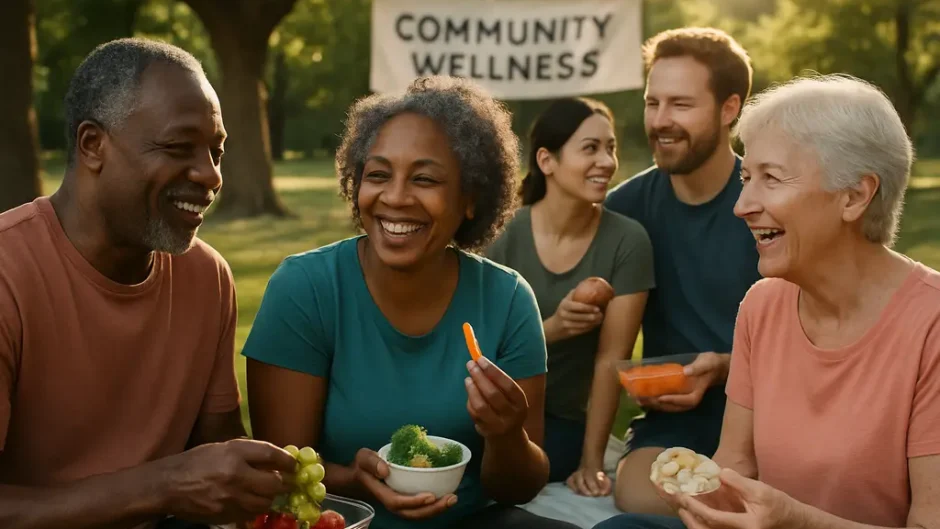
CDC REACH Program community health workers at a neighborhood wellness table

The CDC REACH Program is a federal community health initiative focused on reducing chronic disease disparities among racial and ethnic minority populations. For people trying to make informed wellness decisions, its value is less about a single service and more about what it signals: health is shaped not only by personal choices, but also by food access, safe places to be active, culturally relevant support, and local systems that either help or hinder daily routines.

That distinction matters. Wellness advice often centers on individual behavior, such as eating more vegetables, moving more, or finding support for family routines. Those ideas may be useful, but they can become unrealistic if people lack affordable produce, safe walking routes, breastfeeding support, or programs that fit their community context. Public health programs cannot solve every barrier, and they should not be described as medical care. Still, community-based efforts may make healthier options easier to reach for some households.

What The CDC REACH Program Funds

What 2023–2028 Covers

The current REACH cycle is a five-year initiative covering 2023 through 2028. CDC states that it funds 50 organizations across 32 states and Washington, D.C., to work on chronic disease prevention and health disparity reduction among racial and ethnic minority populations through the REACH 2023–2028 program. The listed priority populations include Black or African American, Hispanic or Latino, Asian American, Native Hawaiian or Other Pacific Islander, American Indian, and Alaska Native persons.

The funded work is not presented as a replacement for clinical care. Rather, it focuses on community conditions linked with chronic disease risk, including food access, physical activity opportunities, breastfeeding support, early care and education settings, and family healthy weight programs. These areas are often discussed in wellness spaces, but the public health framing is broader and more cautious: the goal is to improve access and reduce disparities, not to promise a specific health outcome for any one person.

CDC REACH Program Priorities

The CDC REACH Program emphasizes chronic diseases and risk factors such as type 2 diabetes, obesity, heart disease, and high blood pressure. These conditions are common public health concerns, but individual risk is influenced by many factors, including age, family history, health conditions, medications, pregnancy status, income, neighborhood resources, and access to care. A community intervention may support healthier routines, but it cannot diagnose, treat, or predict an individual outcome.

Examples of REACH-funded strategies include fruit and vegetable voucher or produce-prescription models, healthier food service settings, safe and accessible physical activity options, breastfeeding support, early care and education activities, and family healthy weight programs. These approaches may be especially relevant when families are trying to build routines that are realistic, culturally acceptable, and supported by local organizations.

Where Community Wellness Meets Daily Life

Food Access Is More Than Preference

Nutrition advice can sound simple in the abstract. In daily life, food choices may depend on transportation, household budget, work schedules, childcare, local stores, and whether culturally familiar foods are available. Programs that improve access to fruits and vegetables may help reduce some of those barriers, especially when they are paired with community trust and practical enrollment processes.

That does not mean a voucher or produce program will fit every household. Some people may need help using benefits, storing food, preparing meals with limited time, or adapting choices around medical restrictions. Anyone with a diagnosed condition, food allergy, pregnancy-related nutrition question, or medication-related dietary concern should discuss personal needs with a qualified clinician or registered dietitian.

Physical Activity Depends On Safe Access

Physical activity is often framed as motivation. Community health work reminds us that access matters too. A neighborhood may have few sidewalks, limited lighting, unsafe traffic patterns, or parks that do not feel welcoming. For older adults, people with disabilities, caregivers, and families with young children, the practical barriers may be even more specific.

REACH-funded efforts that enable safe and accessible physical activity may include community-level changes rather than individual coaching. That distinction is useful. A public health program can help create conditions that make movement more feasible, but people still need to consider their own health status, injury history, and clinician guidance before changing activity routines.

How To Read REACH Information Carefully

Funding Amounts Need Context

Federal award listings can help readers understand how programs are supported, but a single award amount should not be treated as a full measure of local impact. For example, HHS TAGGS lists a Fiscal Year 2026 award amount of about $641,224 for the Montgomery Area Community Wellness Coalition in Alabama under award NU58DP007640, according to the HHS award record. That figure can show the scale of one award, but it does not by itself explain staffing, partnerships, local costs, program reach, or outcomes.

Readers should be cautious with claims that turn funding into guaranteed health improvements. Public health funding may support services, education, systems change, and community partnerships. Whether those supports change health measures can depend on implementation, participation, local barriers, and time.

Population-Level Data Is Not A Personal Diagnosis

REACH focuses on disparities among groups, not on labeling any person. Population-level patterns can help public health agencies decide where resources may be needed, but they do not determine an individual’s health status. Two people in the same community may have very different medical histories, stress levels, food access, work demands, and family responsibilities.

This is one reason cautious language matters. Community health initiatives may support prevention-oriented environments. They may make healthier choices more available. They may create better links between residents and local resources. They do not replace blood pressure checks, diabetes screening, medication discussions, prenatal care, or other clinical services that require licensed professionals.

Using Local Programs Without Overpromising Results

Family receiving produce at a community distribution table

Questions Residents Can Ask

For residents, the CDC REACH Program may be most useful as a prompt to look for local organizations working on food access, physical activity, breastfeeding support, early childhood settings, or family wellness. A good first step is to ask practical questions before signing up for any program.

  • Who is eligible, and are there language, transportation, or documentation barriers?
  • Is the program free, low cost, or connected to another benefit?
  • Does it respect cultural food practices and family schedules?
  • Can staff explain what the program can and cannot provide?
  • Is there a way to connect with a healthcare professional for personal medical questions?

These questions are not a test of whether a program is good or bad. They help residents decide whether a resource is realistic for their lives. Readers who compare wellness education resources across the same network may also find Cameltoe.org listed with related health literacy content.

What Not To Assume

A community program should not be framed as a cure for chronic disease, a substitute for medication, or a guaranteed path to weight change. It is also not fair to suggest that people who face food insecurity, unsafe streets, or limited healthcare access simply need more discipline. Public health efforts often begin from the opposite understanding: choices are easier when communities have supportive conditions.

At the same time, community supports have limits. A produce voucher does not answer every nutrition question. A walking group does not make every exercise plan safe. A family healthy weight program may provide education and support, but personal medical decisions still belong in clinical conversations.

CDC REACH Program Questions To Discuss

The CDC REACH Program offers a useful example of how public health can address wellness through community conditions rather than individual blame. Its 2023–2028 structure, priority populations, and intervention areas point toward practical supports: healthier food environments, safer activity options, breastfeeding support, early care and education, and family-centered health programs.

For readers, the most practical takeaway is to treat community resources as part of a larger support system. They may help reduce barriers. They may connect residents with trusted local organizations. They may make prevention-oriented choices more feasible. They should not be used as a substitute for diagnosis, treatment planning, or individualized medical advice.

If you are considering a local food, activity, breastfeeding, or family wellness program, consider asking a clinician how it fits with your health history, medications, pregnancy status, mobility needs, and any symptoms or conditions you are already managing.

Glutathione Risks for Wildland Firefighters

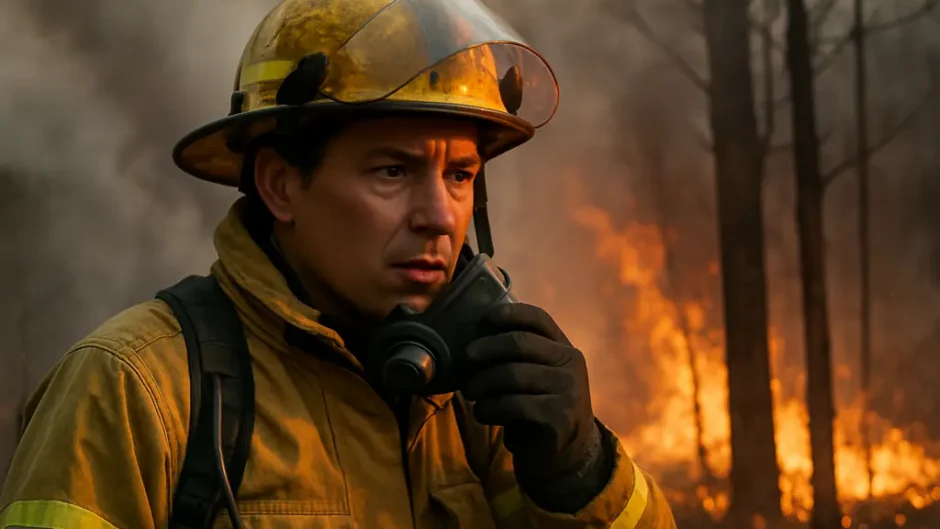
Wildland firefighter resting while reviewing glutathione risks after smoke exposure

Glutathione risks deserve careful attention among wildland firefighters because smoke exposure can make “detox” claims sound practical, especially during demanding assignments. Yet public health information available as of October 15, 2026, does not establish IV or nebulized glutathione as a safe or effective smoke-exposure remedy for firefighters. The strongest current concern is not whether firefighters care about recovery; it is whether an unproven intervention may add preventable harm.

Wildland firefighting is physically taxing work. Crews may face long shifts, changing air quality, heat, sleep disruption, and limited recovery time. That context can make wellness products feel appealing. A cautious approach is still warranted when a product is injected, inhaled, compounded, or promoted with broad claims that outpace the evidence available to the public.

Why Glutathione Risks Became A Firefighter Concern

Glutathione Risks And The Smoke Detox Claim

The term “smoke detox” can imply that a product removes harm after exposure. Based on the research provided here, health officials warned on August 23, 2026, that glutathione given by IV or nebulizer had not been proven safe or effective for wildland firefighters exposed to wildfire smoke. That distinction matters. A plausible-sounding biological role does not prove that a compounded injection or inhaled preparation improves firefighter health after smoke exposure.

Glutathione is often discussed in relation to oxidative stress, and wildfire smoke exposure has been studied for possible biological effects. Still, that background does not answer practical safety questions about dose, route, product quality, individual risk, or whether a treatment meaningfully changes outcomes for firefighters. The evidence described in the research is mixed and, in some settings, raises concern about inhaled use among people with asthma or airway sensitivity.

Why Route Of Use Changes The Risk

A capsule, an IV infusion, and a nebulized solution are not the same wellness decision. Injected products bypass barriers that normally help protect the body. Nebulized products are delivered into the airways. Compounded preparations can vary by source, ingredients, sterility controls, and handling. For these reasons, glutathione risks are not limited to the ingredient name on a label.

The FDA stated on August 27, 2026, that dietary-supplement-grade glutathione is not appropriate for compounding injectable drugs because those ingredients may contain endotoxins or other harmful contaminants FDA reminder. That warning is directly relevant to any firefighter, clinician, employer, or wellness program evaluating injectable glutathione offerings.

What Public Health Agencies Reported In 2026

Adverse Events Were Reported Across Multiple States

In July 2026, the Texas Department of State Health Services alerted CDC after more than 25 people in Texas, Washington, Florida, and New York became ill after receiving injectable glutathione. CDC reported that three people required hospitalization, one became critically ill, and at least one adverse event involved abnormal blood clotting CDC situation update.

Those reports do not prove that every glutathione product is contaminated or that every adverse event has the same cause. They do show why public health agencies treated the issue as more than a theoretical concern. Symptoms described in the research included fever, chills, severe headache, nausea, and vomiting after receiving the supplement. Those symptoms can be especially disruptive for firefighters who already work in high-demand settings.

Recall Information Raised Quality Concerns

The research also described recalls involving compounded glutathione products in 2026. One recall published on August 19, 2026, involved a 200 mg/mL multidose injectable glutathione vial due to elevated endotoxin levels. Another recall announced on October 1, 2026, cited potential elevated endotoxin levels in specific compounded glutathione injection lots and included serious risk language. Because this article is limited to the high-authority source links listed above, readers should rely on FDA and CDC pages for current agency details rather than social media posts or sales materials.

For wildland crews, the practical lesson is not panic. It is quality control. If a substance is compounded, injected, or inhaled, the safety questions become more technical than a standard supplement purchase. Who produced it? What ingredient grade was used? Was sterility testing performed? Was it connected to any recall or adverse event report? Those are not questions a firefighter should have to answer alone while trying to recover from a fire assignment.

Smoke Exposure Does Not Make Every Intervention Reasonable

Wellness Pressure Can Shape Decisions

Firefighters may be exposed to messaging that frames glutathione as a recovery tool after smoke exposure. The concern is that occupational stress can make quick solutions feel more credible. Long shifts, physical fatigue, and anxiety about cumulative exposure can lower the threshold for trying something that sounds protective.

That is where glutathione risks should be discussed in the same way other occupational health decisions are discussed: with evidence, scope, uncertainty, and access to qualified professionals. A product promoted for smoke exposure should not be assumed beneficial because the job is difficult or because oxidative stress is a real topic in firefighter health research.

Community Resources Can Support Better Questions

Firefighters, family members, and peer-support teams can help by slowing down the decision. A shared culture of health does not mean rejecting every new idea. It means asking whether the benefit has been shown, whether the product route adds risk, and whether the person has individual factors such as asthma, allergies, clotting concerns, pregnancy, medication use, or prior reactions that should be discussed with a clinician.

Coverage and access questions may also affect decisions. Some firefighters may look outside conventional care because they are unsure what occupational health services, insurance benefits, or follow-up care are available. In considering broader healthcare access and affordability, firefighters might find a relevant resource in America’s Fair Healthcare, which may assist them in understanding these issues, even though personal medical decisions should always be made with qualified professionals.

Safer Decision Points For Firefighter Wellness Teams

Checklist on a table with firefighter gloves and a water bottle nearby

Separate Recovery Support From Medical Treatment Claims

Not every wellness support carries the same level of risk. Hydration access, rest planning, symptom reporting, respiratory protection practices, and medical follow-up are different from an injection or nebulized preparation promoted as a detox. The first group focuses on workplace systems and general recovery support. The second involves a substance delivered into the body in ways that can raise contamination, dosing, and airway concerns.

Fire departments, contractors, and peer wellness leaders can reduce confusion by setting a high bar for any product offered to crews. If a product claims to address smoke exposure, the claim should be traceable to credible evidence and reviewed by qualified occupational health professionals. If the product is compounded, the bar should be higher, not lower.

Questions To Discuss With A Clinician

This article is educational and does not replace medical advice. Firefighters considering or already exposed to IV or nebulized glutathione can use the following questions to guide a conversation with a clinician, occupational health provider, or pharmacist:

  • What evidence supports this specific route of glutathione use for smoke exposure, and what outcomes were measured?
  • Could my health history, medications, asthma, allergies, clotting history, or pregnancy status change the risk discussion?
  • Was the product compounded, and what safeguards address sterility, endotoxins, ingredient grade, and recalls?
  • What symptoms after an injection or nebulized treatment should prompt urgent medical evaluation?
  • Are there established occupational health resources or follow-up options available through my agency, crew, union, or insurance plan?

These questions do not tell anyone to start, stop, or change treatment. They are meant to support informed discussion. Needs vary, and firefighters with symptoms after receiving an injectable or nebulized product should seek guidance from qualified healthcare professionals rather than relying on a wellness sales pitch or peer anecdote.

Glutathione Risks For Wildland Firefighters

Glutathione risks for wildland firefighters should be understood as a public health and occupational wellness issue, not as a simple supplement debate. The concern intensified in 2026 because illness reports, recalls, and FDA warnings pointed to contamination and ingredient-grade issues in some injectable products. That does not prove every product is unsafe, but it does make casual use difficult to justify without careful professional review.

The broader wellness message is steady: smoke exposure concerns are real, but an intervention should not gain credibility just because it is marketed to people doing hard work. Firefighters deserve health information that is clear about uncertainty, alert to contamination risks, and respectful of personal medical differences.

Before considering IV or nebulized glutathione, discuss the specific product, route, evidence, recall status, health history, and symptom plan with a licensed clinician or occupational health professional. Ask what is known, what is not known, and what safer monitoring or support options are appropriate for your role and health situation.

Marketplace fraud crackdown: What To Check

Marketplace fraud crackdown paperwork beside a laptop and health insurance card

The Marketplace fraud crackdown announced by CMS has practical meaning for people who buy ACA coverage, especially anyone whose plan, subsidy, or agent relationship changed without a clear explanation. This is not a reason to panic. It is a reason to check records, use official channels, and keep careful notes if something in a Marketplace account does not match what a household authorized.

Health insurance is part of wellness because coverage can affect access to preventive visits, prescriptions, mental health care, and routine follow-up. Still, this article is general education only. It does not replace legal, tax, insurance, or medical advice, and it cannot determine whether any individual enrollment was valid.

What The Marketplace Fraud Crackdown Changed

Marketplace Fraud Crackdown Facts Consumers Can Verify

On August 31, 2026, CMS said it cancelled about 315,000 Marketplace enrollments covering more than 760,000 people after those policies were confirmed to be unauthorized. CMS also said the action was expected to recoup about $2.2 billion in taxpayer-funded premium tax credit subsidies. Since January 2026, CMS reported sending termination notices to more than 200 non-compliant agents and brokers, and in summer 2026 it issued 569 Notices of Intent to Terminate tied to 2026 applications that were missing key identifying information, including Social Security Numbers. By late August 2026, 66 agents had received final termination notices, according to the CMS fact sheet.

Those numbers are unusually large, but they do not mean every agent, broker, or Marketplace change is suspect. They do suggest that consumers may benefit from treating Marketplace paperwork as something to verify rather than something to assume is correct.

Why The Numbers Need Context

ACA Exchange enrollment was also high in early 2026. ASPE reported that about 19.2 million people were enrolled in ACA Exchange plans as of February 2026, the highest number CMS had recorded as of that date. ASPE also reported estimates of improper or fraudulent enrollment rising from about 4.4 million in 2024 to about 5.6 million in 2025, including categories such as phantom enrollments, false income claims, or dual enrollments, in its ACA Exchange enrollment report.

The size of the Marketplace matters here. A program serving millions of people can contain both legitimate growth and serious integrity problems. A careful reading avoids two extremes: dismissing consumer complaints as rare paperwork errors, or assuming that every Marketplace plan change reflects fraud.

Why Unauthorized Enrollment Affects Household Decisions

Coverage Can Change Without A Clear Signal

The Marketplace fraud crackdown matters because insurance changes may not be obvious right away. A person may discover a problem only after receiving a premium bill, a tax form, a subsidy notice, a new insurance card, or a message from a doctor’s office saying coverage does not match what the patient expected.

For households managing chronic conditions, pregnancy, behavioral health needs, or regular prescriptions, coverage confusion can create stress. That does not mean a person should stop care or change treatment plans based on an insurance notice alone. It does mean the household may need to contact the Marketplace, the insurer, and the care team’s billing office to understand what is active and what records show.

Subsidy Questions Can Follow

Advance Premium Tax Credits can reduce monthly premiums for eligible consumers, but subsidy records can become difficult if an enrollment was unauthorized, household information was inaccurate, or someone had another form of coverage. The research supplied for this article notes that APTC removals occurred in 2025 for reasons including ineligibility, unauthorized enrollment, or simultaneous Medicaid or CHIP enrollment.

Consumers should be cautious about tax and subsidy assumptions. A Marketplace account can show one piece of the picture, while tax records, Medicaid or CHIP status, and insurer records may show others. For questions about tax filing or reconciliation, a qualified tax professional or official Marketplace assistance may be more appropriate than relying on an agent who is connected to the disputed enrollment.

Practical Records To Review

Account Details And Agent Information

One practical response to the Marketplace fraud crackdown is a records check. The goal is not to accuse anyone without evidence. The goal is to confirm that household information, plan selection, subsidy details, and agent or broker involvement match what the consumer knowingly approved.

  • Log in through HealthCare.gov or the relevant state exchange rather than through a link in an unexpected message.
  • Check the plan name, insurer, premium amount, effective date, household members, income estimate, and contact details.
  • Look for any agent or broker name associated with the application and compare it with the person or organization the household actually used.
  • Save copies of notices, eligibility letters, plan confirmations, cancellation messages, and screenshots with dates.
  • Write down call dates, reference numbers, and the names or IDs of representatives when available.

For people who already feel overloaded by paperwork, this kind of review can be frustrating. Community organizations, enrollment assisters, and benefits counselors may help consumers sort records without making rushed decisions. For broader support around protecting personal time while dealing with administrative tasks, time-use resources may offer useful perspective.

What To Save

Saving records can matter if a consumer needs to dispute an unauthorized enrollment, explain a subsidy issue, or show that a plan change was not requested. A clean folder, paper or digital, can reduce confusion later. It may help to separate documents into categories: Marketplace notices, insurer letters, tax-related forms, agent communications, and notes from calls.

If a person receives a cancellation notice, a subsidy removal notice, or a message that personal information was changed, the date on that notice may matter. Consumers who are unsure about timing should ask the Marketplace or state exchange what deadlines apply. Deadlines can vary by situation, and this article cannot determine appeal rights for any individual case.

How To Respond Without Panic

Calm person speaking by phone with documents open nearby

Use Official Channels First

The safest first step is usually to verify information through official Marketplace or state exchange channels. If an agent or broker is involved, consumers can still ask for copies of what was submitted, but the Marketplace account itself should be checked directly. If there is a mismatch, the consumer can ask how to report suspected unauthorized enrollment or plan switching.

People should be careful with unexpected calls, texts, or emails that request Social Security Numbers, income information, or payment details. A message may sound urgent and still be unreliable. Consumers can contact the Marketplace or insurer using a phone number from an official website or printed card rather than replying to the message that raised concern.

Keep Community Support Practical

Insurance stress can affect mental well-being. People may feel embarrassed if they trusted the wrong person, or worried that a subsidy question will affect care. A calmer framing is more useful: unauthorized enrollment is a systems and consumer-protection issue, not a personal failure.

Local libraries, health centers, nonprofit enrollment programs, and state insurance resources may help people understand documents. Related policy questions can also affect access. For example, CPCWA’s analysis of ACA rule halt and healthcare coverage access discusses Marketplace enrollment and subsidy-check issues that households may need to ask about.

Marketplace Fraud Crackdown Questions To Ask

Questions For The Marketplace

Before assuming a change is final, consumers can ask direct questions. Was an application submitted? Who submitted it? What date was it submitted? What information changed? Is an agent or broker listed? Is there a record of consent? What options exist to report suspected unauthorized activity? What deadlines apply if a correction, appeal, or complaint is needed?

The Marketplace fraud crackdown has made these questions more visible, but they are useful at any time. A household should be able to understand who handled an application and what coverage is active.

Questions For A Clinician Or Benefits Counselor

If coverage uncertainty may affect an upcoming appointment, prescription access, therapy visit, or planned procedure, ask the clinic, pharmacy, or benefits counselor what they can verify and what documentation they need. Do not start, stop, or change a medication or treatment plan because of an insurance notice without discussing the situation with a qualified healthcare professional.

The Marketplace fraud crackdown is best understood as a prompt for verification. Check official records, save documents, ask clear questions, and involve qualified professionals when coverage confusion could affect care, taxes, or household finances.

Weekend Warrior Injuries: Safer Fall Activity

Weekend Warrior Injuries risk during a fall run on a leaf-covered path

Weekend Warrior Injuries often appear when people return to soccer leagues, pickup basketball, trail running, cycling, yard work, or gym classes after weeks or months of lighter activity. The problem is not enthusiasm. Movement can support physical and mental well-being for many people. The concern is the gap between what the body was recently prepared to do and what the person suddenly asks it to tolerate.

Fall can make that gap wider. Cooler mornings, wet surfaces, shorter daylight, and packed schedules may change how people move, warm up, recover, and notice early symptoms. A cautious plan does not need to be complicated. It should be realistic, gradual, and honest about pain, fatigue, and prior injuries.

Why Weekend Warrior Injuries Rise In Fall

Weekend Warrior Injuries And Sudden Load

The most common pattern is simple: a person resumes the same intensity they remember from a previous season, even though their current conditioning may not match that memory. A September 23, 2026 UTMB health blog warned that jumping into high-intensity activity without gradual conditioning may increase the risk of strains, sprains, rotator cuff injuries, and lower-body overuse problems; it also emphasized dynamic warm-ups, weekday consistency, fall surface awareness, and medical evaluation for persistent or worsening pain UTMB fall activity guidance.

That message is especially relevant for people who are active only on Saturdays and Sundays. A two-hour game or long hike may feel like a normal recreation choice, yet tissues adapt over time. Muscles, tendons, balance reactions, and coordination may not respond well to a sudden spike in intensity or duration. A cautious return may mean starting with shorter sessions, easier routes, lighter resistance, or fewer competitive minutes than pride would prefer.

Fall Conditions Change The Risk Picture

Fall activity brings practical changes that are easy to overlook. Grass can be slick. Leaves can hide uneven pavement. Early darkness can reduce visibility for runners and cyclists. Cooler weather may also make some people feel stiff at the start of activity. These conditions do not mean outdoor exercise should be avoided. They suggest that the plan should fit the conditions rather than the calendar.

Footwear, lighting, route choice, and surface checks are basic risk-reduction tools. A trail run after rain is different from a dry treadmill session. A neighborhood walk at dusk is different from the same route at noon. People returning after a break may benefit from choosing familiar terrain before adding speed, competition, or technical surfaces.

A Smarter Return To Activity

Start Below Your Old Baseline

Many adults judge readiness by memory: “I used to run this loop,” or “I played this league last fall.” A safer reference point is recent activity, not past ability. If the previous few months included mostly sitting, light walking, or irregular workouts, the first sessions back may need to feel almost too easy. That is not failure. It is a way to give the body better information.

Small increases in frequency, duration, or intensity may support adaptation better than large jumps. Rather than adding longer workouts and harder workouts in the same week, consider changing one variable at a time. For example, a person might keep the pace comfortable while adding a few minutes, or keep the route the same while adding one weekday practice session. Needs can vary by age, health status, medication use, pregnancy, prior injury, and current fitness, so fixed rules should be treated as rough guardrails rather than personal medical instructions.

Use Warm-Ups For Movement, Stretching For Flexibility

Warm-ups and stretching are often treated as the same thing, but they serve different purposes. Before activity, dynamic movement may be more useful than holding long static stretches. Examples include easy jogging, leg swings, arm circles, bodyweight squats, and sport-specific drills performed at low intensity. The goal is to prepare movement patterns, not to test maximum range.

Static stretching may fit better after activity or as part of a separate flexibility routine. Mayo Clinic describes stretching as a flexibility practice and advises holding stretches for about 30 seconds, avoiding bouncing, and stretching after warming up rather than stretching cold muscles Mayo Clinic stretching guidance. That does not mean every person needs the same stretching routine. It means flexibility work should be performed thoughtfully, not rushed as a token step before sprinting.

Recovery, Equipment, And Community Support

Walking group on a park path in cool fall weather

Strength, Balance, And Weekday Consistency

Weekend activity can feel less risky when the rest of the week includes some movement. Short weekday sessions may help maintain coordination, strength, and confidence between more demanding recreational events. This does not require intense training every day. Walking, easy cycling, mobility work, light strength training, balance drills, and gentle practice of sport-specific skills may all help keep the body familiar with movement demands.

Strength and balance work may be especially useful for activities that require cutting, jumping, lifting, reaching, or reacting quickly. Core, hip, and lower-body strength can support control during many recreational sports. Balance and agility practice may help people respond to uneven ground or quick direction changes. The goal is not to become an elite athlete; it is to reduce the mismatch between weekend demands and weekday preparation.

Community resources can make consistency easier. Parks departments, community centers, walking groups, and beginner-friendly fitness classes may offer lower-pressure ways to stay active between larger weekend efforts. For those interested in weight-related health education, exploring resources through Trinity Bariatric Institute might be beneficial while discussing personal exercise limits with a qualified clinician.

Pain Signals Deserve Respect

Discomfort can be part of returning to activity, but not every symptom should be treated as ordinary soreness. Persistent or worsening pain, swelling, instability, locking, catching, numbness, or a change in normal function should not be ignored. Those signs do not diagnose a specific injury, and an article cannot determine whether participation is safe. They do suggest that a qualified healthcare professional should be involved.

Sports culture often praises pushing through. That message can become risky when it discourages people from reporting symptoms early. CPCWA has also discussed why injury resilience is not about rushing back, a principle that applies well beyond competitive athletics. A slower return may feel frustrating, but it can create space for better decisions.

  • Check whether shoes, bike fit, protective gear, or braces are still appropriate for the activity and surface.
  • Plan rest between hard sessions, especially after long gaps in conditioning.
  • Use visible clothing or lights when daylight is limited.
  • Stop and seek appropriate evaluation if symptoms worsen or function changes.

Weekend Warrior Injuries And Clinician Questions

Questions To Bring To A Healthcare Professional

Reducing Weekend Warrior Injuries is not about fear. It is about matching activity to current capacity, then building from there. For some people, especially those with previous injuries, chronic health conditions, balance concerns, recent surgery, pregnancy, or long periods of inactivity, a clinician or physical therapist may help clarify reasonable limits. This information is educational and does not replace medical advice, diagnosis, or treatment.

Before resuming harder activity, it may be useful to ask a healthcare professional: What symptoms should make me stop and get evaluated? Are there movements I should temporarily avoid? How should I progress duration, intensity, or frequency? Would strength, balance, or mobility work be appropriate for my goals? Do my medications or health conditions affect hydration, heat tolerance, balance, or recovery? If I feel pain during activity, what kind of follow-up is appropriate?

Those questions keep the focus where it belongs: informed decisions, realistic activity, and support from people qualified to assess individual health needs. Fall recreation can be enjoyable, social, and motivating. A gradual plan simply gives the body a better chance to participate without asking one weekend to carry the work of an entire season.

Individualized Strength Conditioning For Recovery

Individualized Strength Conditioning session with a coach observing a young athlete

Individualized Strength Conditioning can sound like a performance slogan, but for young athletes it is better understood as a cautious planning process. The central question is not how much training a motivated teenager can tolerate. It is how strength work, recovery time, sport exposure, maturation, prior symptoms, and access to qualified evaluation fit together.

Youth sport often rewards consistency and toughness. Those qualities can be useful, yet they can also hide fatigue, pain, or pressure to keep participating. Evidence from youth sport research suggests that injury patterns vary by age, training exposure, sex, sport demands, and specialization patterns. That does not mean every athlete needs a highly technical program. It does mean generic conditioning plans may miss factors that matter during recovery.

This article is educational and does not replace medical advice. A young athlete with pain, swelling, weakness, dizziness, changing symptoms, or concern after injury should be evaluated by a qualified healthcare professional rather than relying on a training article.

Why Individualized Strength Conditioning Needs Context

Individualized Strength Conditioning Starts With Exposure

Individualized Strength Conditioning begins with a practical reality: athletes do not all arrive at a session with the same physical history. A 13-year-old who plays one seasonal sport, a 16-year-old in a year-round academy, and a 17-year-old returning after time-loss injury may need different discussions about load, rest, and progression.

A four-season prospective study of male youth football players in an elite national academy in Qatar followed U13 to U18 players from 2016–17 through 2019–20. The study reported 301 players across 591 player-seasons, an overall injury incidence of 12.0 injuries per 1,000 hours, and an injury burden of 255 days lost per 1,000 hours. The U16 group had the highest injury burden, at about 425 days lost per 1,000 hours, according to the published abstract in PubMed.

Those numbers should not be applied to every youth athlete, since the study involved elite male football academy players. Still, the findings help explain why age group and exposure matter. A recovery plan for a younger athlete cannot simply copy the plan used by an older academy player, and a recreational athlete may not need the same monitoring structure as a highly exposed competitor.

Specialization Can Change The Recovery Conversation

A three-year clinical case-control study of young athletes aged 7 to 18 found that several training patterns were associated with greater likelihood of overuse injury. These included early single-sport specialization, weekly training hours exceeding the athlete’s age, and organized sport hours that were more than twice the hours spent in free play. The study also reported higher risk for all injuries and overuse injuries among female athletes in that cohort, as described in the full text available through PMC.

This does not prove that specialization is harmful for every child in every setting. It does suggest that recovery planning should include questions about the full week, not just one strength session. If an athlete is already doing many hours of organized sport, more conditioning is not automatically better. The better question may be whether the athlete has enough recovery, variety, and professional oversight for the total workload.

Recovery Is More Than A Workout Template

Fatigue Is Not Always Visible

Recovery is often discussed as if it were a single missing ingredient: stretch more, sleep more, lift differently, or add a warm-up. In practice, recovery is affected by many moving parts. A young athlete may look energetic at practice but still be carrying soreness, academic stress, reduced sleep, or worry about losing a team role.

Individualized Strength Conditioning should therefore be viewed less as a special set of exercises and more as a decision process. Coaches and families can ask whether the athlete has recently increased training volume, changed teams, returned from injury, entered a growth spurt, or started playing more competitive matches. None of those observations diagnose a problem. They do help adults decide when a healthcare professional, athletic trainer, or qualified strength and conditioning specialist should be involved.

The mental side matters as well. Young athletes may connect sport participation with identity, friendships, and confidence. If recovery means reduced practice time, the athlete may feel isolated or fearful. CPCWA has discussed this broader issue in relation to athletic identity and burnout, and the same theme can appear earlier in sport development.

Using Individualized Strength Conditioning Without Overclaiming

Individualized Strength Conditioning may support clearer decisions, but it should not be presented as a guarantee against injury. No conditioning model can remove all risk from sport. Contact, growth-related changes, previous injury, sleep, training volume, competition intensity, and access to care may all influence outcomes.

A cautious approach avoids two extremes. One extreme is pushing every young athlete through the same program because it is convenient. The other is treating every ache as proof that sport is unsafe. A more balanced approach asks what is changing, whether symptoms are improving or worsening, and whether the athlete has been assessed by someone qualified to make return-to-activity decisions.

Families looking for broader wellness education may also find related community health resources through Trinity Bariatric Institute, although youth sport recovery questions still belong with professionals who know the athlete’s age, sport, medical history, and current symptoms.

What Families And Coaches Can Track

Parent and coach discussing a youth athlete training calendar

Useful Signals Are Often Simple

Tracking does not need to become a surveillance project. For many families, the most useful information is basic: training days, rest days, soreness that lasts longer than expected, changes in mood, sleep disruption, repeated pain in the same area, or a sudden jump in organized sport hours. These details can make conversations with clinicians and trainers more specific.

Because the research on specialization and training volume suggests that exposure patterns may matter, a weekly calendar can be helpful. It can show whether a young athlete is getting any true rest, whether free play has disappeared, or whether multiple teams are creating more total load than any single coach realizes.

  • How many organized sport hours occurred this week?
  • How many days included intense practice, competition, or conditioning?
  • Did soreness, pain, or fatigue change after a specific session?
  • Has the athlete recently moved to a higher age group, stronger team, or longer season?
  • Does the athlete feel able to report symptoms without fear of punishment?

These questions are not diagnostic. They are a way to organize observations so that adults can respond earlier and communicate better with qualified professionals.

The Coach’s Boundary

Coaches can support safer recovery without practicing medicine. They can avoid praising athletes for hiding symptoms, make room for rest when medical restrictions exist, and ask whether an athlete has been evaluated when complaints persist. They can also avoid framing recovery as a lack of commitment.

For strength work, the coach’s role is to match training demands to demonstrated readiness as much as possible. That may mean reducing complexity, changing volume, pausing a progression, or referring the athlete for evaluation. The safest decision is not always the most aggressive one.

Individualized Strength Conditioning For Young Athletes

Individualized Strength Conditioning for young athletes is most defensible when it stays modest in its claims. It may help organize training around age, exposure, recovery status, and observed readiness. It may also help coaches and families notice when a young athlete is doing too much organized sport with too little recovery. It does not guarantee performance gains, prevent every injury, or replace clinical judgment.

The most useful recovery plan is usually shared. The athlete can report symptoms honestly. Parents can watch total workload across teams and seasons. Coaches can respect medical boundaries. Clinicians and qualified sport professionals can help interpret pain, fatigue, prior injury, and return-to-activity decisions in context.

Before changing a young athlete’s training after injury, families may want to ask a clinician: What symptoms should prompt reevaluation? What activities are appropriate right now? What signs suggest the athlete is not recovering as expected? How should strength work progress, and who should supervise it? What workload limits make sense for this athlete’s age, sport, and health history?

Student Mental Health Trends In High School

student mental health discussion between a counselor and high school student

Student mental health is not a side issue for high schools. It affects attendance, learning, relationships, safety planning, family stress, and whether young people feel able to ask for help before distress deepens. The most useful response is not panic. It is careful attention to what the data can show, what it cannot show, and how adults can build support without trying to diagnose students from a survey result.

Recent national data suggest that emotional distress remains common among U.S. high school students. That does not mean every sad, anxious, withdrawn, or overwhelmed teenager has a mental-health condition. It does mean schools and families should treat repeated warning signs, widening disparities, and student-reported distress as information worth acting on with care.

Why Student Mental Health Data Needs Context

What Student Mental Health Measures Can And Cannot Show

Survey data are useful because they capture patterns across large groups. They can show whether more students report persistent sadness, suicidal thoughts, bullying exposure, or other concerns. They can also help schools ask whether support is reaching students who may be least likely to seek it.

Survey data do not diagnose a student. They also do not explain every cause behind a trend. A percentage can point to concern, but it cannot tell a parent, teacher, or coach what is happening inside one young person’s life. That distinction matters because student mental health should not be reduced to a label or a risk score.

A cautious approach asks two questions at the same time. First, what does the pattern suggest about the school community? Second, what does an individual student need from qualified adults who can listen, assess risk, and connect them with appropriate care?

Why School-Level Patterns Matter

High school is a setting where students spend many hours, often under academic, social, athletic, and family pressure. A school cannot replace a clinician, and a teacher is not expected to function as a therapist. Still, schools often notice changes early: absences, falling grades, isolation, conflict, fatigue, or sudden shifts in behavior.

Using student mental health data well means treating it as a signal for planning, not a script for individual decisions. Schools can review whether students know how to contact counselors, whether families understand referral pathways, and whether staff have clear instructions for urgent safety concerns.

What Recent Youth Data Suggest

The 2025 High School Findings

In 2025, about one in three U.S. high school students reported persistent feelings of sadness or hopelessness during the previous 12 months. The same federal youth surveillance data reported that 20.4% seriously considered attempting suicide, 16.4% made a suicide plan, and 9.5% attempted suicide during the past year, according to the CDC youth surveillance.

These numbers are difficult to read, especially for families. They should not be used to frighten students or suggest that distress is inevitable. They do suggest that mental-health support cannot be treated as a rare need limited to a few students. If a sizable share of students report sadness, hopelessness, or suicide-related thoughts or behaviors, schools need clear and compassionate systems rather than informal guesswork.

If a student may be in immediate danger or is talking about suicide, self-harm, or not wanting to live, families and school staff should seek urgent professional help, contact local emergency services, or use an appropriate crisis service such as the 988 Suicide & Crisis Lifeline in the United States. Articles like this can support education, but they cannot assess safety.

Trends Before High School Also Matter

High school concerns do not begin on the first day of ninth grade. National data among children ages 3 to 17 found that anxiety diagnoses rose from 6.9% to 10.6% and depression diagnoses rose from 3.1% to 4.6% between 2016 and 2022, according to a peer-reviewed analysis available through PMC.

That earlier pattern matters because prevention and support often need to start before a student reaches a crisis point. Middle school transitions, family stress, bullying, grief, identity concerns, sleep disruption, substance exposure, and academic pressure may all affect how a student functions. The presence of a stressor does not prove a diagnosis, but it may help adults ask better questions.

For readers following broader youth data, CPCWA has also reviewed youth mental health trends that show some encouraging gains while still pointing to the need for sustained support.

Groups That May Need More Attention

Disparities Are Signals, Not Labels

Some groups of students report higher levels of sadness, hopelessness, suicidal thoughts, or other concerns in national research. That includes patterns by sex, sexual identity, bullying exposure, and substance-use context. These patterns should be handled carefully.

A disparity does not mean every student in a group is struggling. It also does not mean students outside that group are fine. The safer interpretation is that schools should check whether all students have access to trusted adults, confidential support pathways, and a culture where asking for help does not feel socially dangerous.

For female students, LGBQ+ students, students who are bullied, and students facing multiple stressors, the support question should be practical: Who notices? Who listens? Who follows up? Who can refer to a qualified professional when concerns go beyond ordinary school stress?

Bullying And Substance-Use Contexts

Bullying and substance use should not be treated as separate from emotional well-being. A student who is being targeted by peers may show distress through anger, withdrawal, sleep problems, school avoidance, or sudden academic decline. A student using nicotine products or other substances may also be dealing with stress, peer pressure, dependence, or other concerns that require qualified support.

Schools do not need to solve every cause at once to improve safety. They can make reporting systems clearer, respond consistently to bullying complaints, avoid shaming students, and connect students with trained counselors or community services. The goal is not to punish distress. The goal is to reduce barriers to help.

Practical School And Family Responses

parent and school counselor talking at a conference table

Build Pathways Before A Crisis

Families and schools may support students best when they plan before a crisis. A teenager in distress may not know whom to approach, what will happen next, or whether confidentiality has limits. Uncertainty can keep students silent.

Clear pathways can include a visible counseling referral process, staff training on warning signs, family communication about school resources, and agreements about when a concern requires immediate escalation. These steps do not require teachers to diagnose students. They require adults to know when to listen, document, and connect the student with qualified help.

  • Who can a student contact during the school day if they feel unsafe or overwhelmed?
  • What is the process after a teacher, coach, or peer reports concern?
  • How are parents or guardians included when safety concerns arise?
  • Which local clinicians, clinics, or youth services accept referrals?
  • How does the school protect students from stigma after they ask for help?

Use Community Resources Carefully

Community wellness resources can be useful for general education, especially when families are trying to understand stress, sleep, movement, food access, or social support. Families might find it helpful to compare informative sites related to holistic wellness, such as Ekko Naturals. They should separate broad wellness content from individualized mental-health care.

No website, school handout, supplement page, or social media post can determine whether a student has depression, anxiety, trauma-related symptoms, substance dependence, or suicide risk. Those questions belong with licensed professionals who can assess the student directly and consider age, health history, medications, family context, and safety.

Families can still use educational resources wisely. The key is to treat them as conversation starters. A parent might say, “I read that many students report feeling hopeless. Have you felt that way?” A school leader might say, “Our students need more than awareness posters. What is our referral process?” These are practical questions, not diagnoses.

Student Mental Health Trends In High School

Questions To Discuss With A Professional

Student mental health trends in high school point toward a clear educational lesson: distress should be taken seriously, but responses should remain careful, respectful, and connected to qualified support. Trends can help adults see patterns. Individual students still need individual attention.

Parents, guardians, and school staff may want to discuss several questions with a pediatrician, school counselor, licensed mental-health professional, or local crisis team when concerns arise: What changes have been noticed? How long have they lasted? Is the student safe? Are there signs of bullying, substance use, isolation, or overwhelming stress? What support is available at school and outside school? When should the family seek urgent evaluation?

This information is educational and does not replace medical or mental-health advice. If a young person’s mood, behavior, sleep, safety, or functioning has changed in a concerning way, the next step is a direct conversation with a qualified professional who can help decide what support is appropriate.

Linked Discoveries tool and health research

Linked Discoveries tool shown on a laptop beside notes about PubMed research

The Linked Discoveries tool arrived on September 24, 2026, as a new National Institutes of Health resource connected to PubMed. For people who care about health research, its promise is not that it tells us what to believe. Its value is more modest, and that is useful: it may help users see how one PubMed article relates to a larger body of biomedical literature.

That distinction matters for wellness readers, patients, caregivers, journalists, and community educators. Health research can feel persuasive when a single study is presented alone. A tool that places a paper near related studies, reviews, citations, publication updates, and topic links may support better questions. It does not remove the need for careful reading, trained interpretation, or clinical guidance.

What The Linked Discoveries tool Does

Why The Linked Discoveries tool Starts With PubMed

NIH announced Linked Discoveries as a National Library of Medicine project and described it as part of an agency-wide effort to strengthen research replication and reproducibility in NIH-funded research. At launch, it covered more than 29 million PubMed-indexed publications, giving users a way to explore how an eligible seed article connects to related biomedical literature according to NIH.

The starting point is a PubMed record. For eligible original research and review articles, users can access the feature through a “Linked Discoveries” button on the PubMed abstract page. The tool then builds a “neighborhood” of related articles around that seed record.

That neighborhood is not a ranking of truth. It is an organized view of relationship. The distinction is central for health literacy. A person looking at a paper about a condition, gene, chemical, or intervention may be able to see related publications, but the tool does not decide whether a finding is clinically useful, replicated, or strong enough to shape personal choices.

What The Views Add To Research Reading

The tool includes two main visual options. A graph view shows a network of connected nodes for the seed article and related articles. A timeline view shows when publications in that neighborhood appeared, which may help users see how research around a question has developed over time.

Each article node may include contextual metadata such as publication date, citation relationships, article type, NIH funding, and publication updates such as retractions or errata. These details can help a reader slow down before treating one abstract as a complete answer.

For wellness education, that slower pace is a strength. A single study can be interesting without being decisive. A review can be helpful without answering every question. A citation network can reveal that a topic has related work, but it cannot replace appraisal of methods, populations, limitations, and fit for a specific health decision.

How AI Shapes The Article Neighborhood

The Model Looks For Textual Similarity

The Linked Discoveries tool uses a version of BiomedBERT, formerly PubMedBERT, that is fine-tuned to assess textual similarity among titles, abstracts, and keywords. The purpose is to assemble related literature around the seed article, not to provide a clinical recommendation or a quality score.

That design has practical meaning. If an article has similar language to other PubMed records, it may appear in a neighborhood. But similarity is not the same as agreement. It is also not the same as replication. Two papers can use related terms while studying different populations, methods, outcomes, or research questions.

The user guide states that users can filter neighborhoods by shared conditions, genes, and chemicals, drawing those terms from NCBI-linked databases: MedGen for conditions, Gene for genes, and PubChem for chemicals as described by NLM. Those filters may help narrow a view, but they should still be read as organization aids.

Why Filters Need Cautious Reading

Filters can make a large literature set easier to inspect. They can also create a false sense of certainty if readers assume a shared label means the papers answer the same question. A condition term, gene, or chemical connection may be relevant, but it does not automatically show cause, treatment effect, safety, or personal risk.

This is where health research literacy becomes protective. Readers can ask whether a publication is original research or a review, whether it has later updates, what other work cites it, and whether related papers appear before or after it in time. Those questions do not require every reader to become a scientist. They do encourage humility about what can be learned from an abstract alone.

Access Benefits For Wellness Readers

From Isolated Claims To Connected Evidence

For wellness readers, the Linked Discoveries tool may be most useful as a guardrail against isolated claims. It can place an article near related PubMed records and show citation connections that may otherwise take more effort to find. That can be helpful when a health headline sounds stronger than the research itself.

Readers still need to separate access from interpretation. Open access to connections does not mean every reader can safely apply findings to themselves. Needs may differ by age, pregnancy status, health history, medications, disability, and care goals. No PubMed visualization can account for all of those personal factors.

There is also a community dimension. Research access is easier to use when people have trusted spaces to discuss questions without pressure or sales claims. For readers seeking a deeper conversation about community support and well-being, Spiritual Endeavors provides a related resource within the network.

How It May Support Better Conversations

Using the Linked Discoveries tool before a healthcare visit may help some people organize questions, as long as they avoid self-diagnosis or self-treatment. A reader might bring the title of an article, ask whether the research applies to their situation, or ask what kind of evidence clinicians consider stronger for that topic.

That approach is different from arriving with a demand based on one study. It keeps the clinician’s role clear while respecting the reader’s interest in informed participation. It also reduces the temptation to treat search results as instructions.

For readers who want a shorter site-level explanation of the same NIH pilot, CPCWA has also covered how Linked Discoveries may make PubMed easier to read, with the same caution that early research tools require careful interpretation.

Limits That Should Stay Visible

Checklist beside a computer used for reading health research

Experimental Does Not Mean Definitive

As of October 6, 2026, Linked Discoveries is in its first public version and is explicitly described as an experimental pilot for exploratory and evaluation purposes. That status should shape how readers use it. A pilot can be useful and still incomplete. It can help users explore relationships without resolving scientific debate.

The NIH announcement states that the tool does not evaluate study quality and does not determine whether findings have been successfully replicated. That limit is not a minor technical detail. It is the main caution for public use.

A network display can look persuasive because it is visual. Nodes and links may feel more certain than text. Yet a graph is still a representation built from available records and model choices. It may help identify what to read next, but it cannot replace critical appraisal.

  • It does not diagnose health conditions.
  • It does not recommend treatments, supplements, diets, devices, or medications.
  • It does not decide whether a study is high quality.
  • It does not prove that one finding has been replicated.
  • It does not replace a clinician’s judgment for personal health questions.

Not Every PubMed Record Is Included

The tool is available for eligible original research and review records, but some article types, including biographies and interviews, are excluded. Records without abstracts are also excluded. New PubMed records that meet criteria are added daily, according to the user documentation.

That means absence from the tool should not be read as absence from science. It may reflect eligibility rules, article type, or abstract availability. For a researcher, librarian, or clinician, Linked Discoveries may be one starting point among other PubMed methods. For the public, it should be treated as a learning aid rather than a complete research map.

Linked Discoveries Tool And Health Decisions

The Linked Discoveries tool may make biomedical literature feel more connected and less dependent on one search result. That is a meaningful improvement for research literacy, especially when health claims spread quickly through headlines, marketing, and social media.

Still, better access is not the same as medical advice. A reader may use the tool to notice related papers, publication timelines, article types, citation links, and updates. The next step should be careful discussion, not self-directed changes to care.

Questions worth bringing to a clinician include: Does this research apply to someone with my health history? Is this finding supported by stronger evidence? Are there safety concerns for my medications or conditions? What would you consider reliable sources for this topic? Those conversations keep research access connected to personal context, where health decisions belong.